


Canada’s mountains, cities and coastlines are huge draws, but the country’s universal health care system is not designed for tourists. If you are heading to Canada as a visitor, student, temporary worker or to see family, you will almost certainly need private travel medical insurance. Buying the right policy can feel confusing, but with a bit of preparation you can get strong protection in under an hour and avoid five-figure medical bills if something goes wrong.
Get the latest updates straight to your inbox!
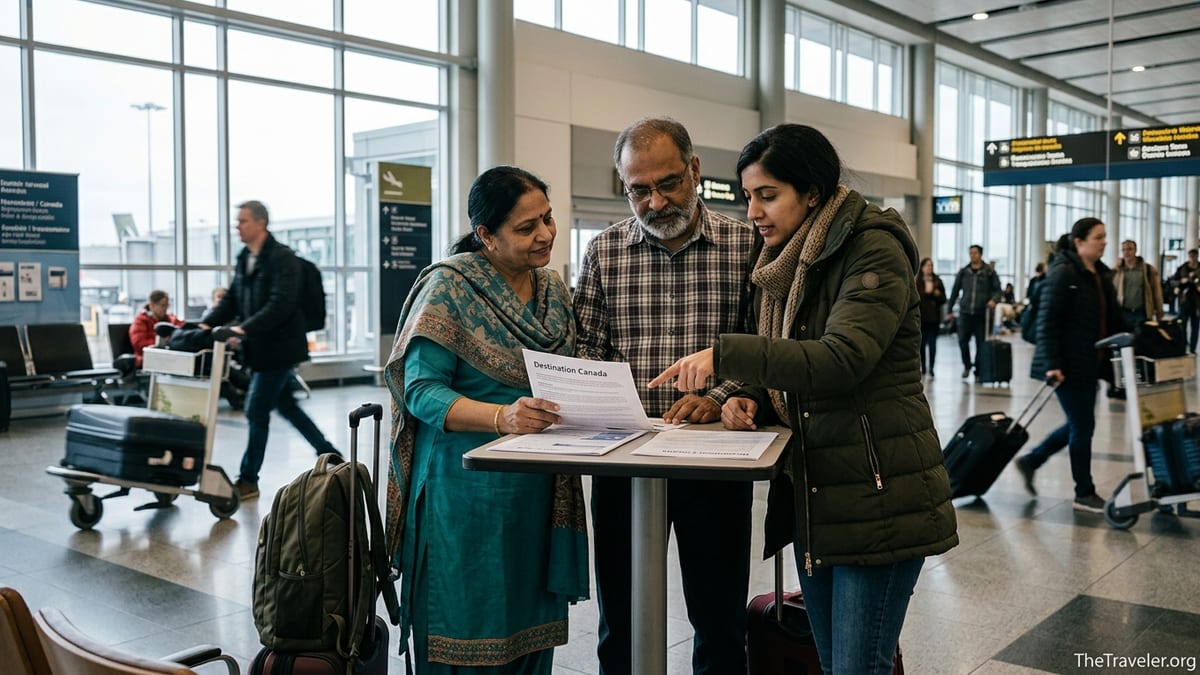
Why Visitors to Canada Need Their Own Medical Coverage
One of the biggest misconceptions among travelers is that “Canada has free health care for everyone.” In reality, provincial and territorial health plans only cover people who meet residency rules, such as citizens and permanent residents who live in that province. Tourists, short-term visitors, many international students and new arrivals who are still in a waiting period are generally not eligible for public coverage.
The Government of Canada explains that while the country has publicly funded health care, it is for eligible residents and does not extend to tourists or most temporary visitors. Emergency rooms will treat you if you are seriously ill or injured, but you will be billed at full out-of-pocket rates, which can be very high for non-residents.
Real examples from Canadian insurers show why this matters. A single night in a hospital can run into the thousands of dollars, while emergency surgery or intensive care can quickly exceed tens of thousands. Some provincial plans reimburse only a token amount of out-of-country costs for their own residents, and visitors do not even have that safety net. For a visitor who slips on ice in Montreal or has an appendicitis attack in Vancouver, the hospital invoice alone can easily be larger than the cost of their entire trip.
That is why Canadian companies now offer dedicated “Visitors to Canada” or “Destination Canada” travel insurance policies. These plans are built specifically for travelers coming into the country, including tourists, people on work or study permits, parents and grandparents arriving for extended visits, and new immigrants waiting for provincial health coverage to start.
What “Destination Canada” Travel Insurance Usually Includes
In the Canadian market, you will see products marketed as “Visitors to Canada,” “Destination Canada” or similar branding from companies such as Allianz Global Assistance, Travel Guard, Manulife, Travelance, TuGo, and regional brands like CAA. Although details vary, most Destination Canada style policies share a common core: emergency medical protection while you are in Canada, sometimes with brief side trips to other countries if the majority of your time is spent in Canada.
Typical emergency medical benefit limits for visitors plans range from about 25,000 Canadian dollars at the low end to 150,000 or even 500,000 dollars at the high end. For example, one major Canadian provider offers Visitors to Canada coverage with choices of 25,000, 50,000, 100,000 and 500,000 dollars in emergency medical benefits. Another well-known insurer allows visitors to select between 25,000 and 150,000 dollars in coverage, paired with deductibles that can start around 50 dollars to reduce the premium.
The emergency medical component generally covers services such as hospital stays, physician and surgeon fees, diagnostic tests, ambulance transport, prescription drugs for emergencies, and sometimes limited emergency dental care due to accident. Many plans also include medical repatriation, which is the cost of returning you to your home country or transporting a family member to your bedside if you are hospitalized for a serious event.
Some Destination Canada plans are pure medical coverage, while others offer “all inclusive” packages that add trip interruption, baggage, or travel accident benefits. A visitor flying from London to Toronto to see family, for instance, might decide to pair a 100,000 dollar medical limit with trip interruption coverage that will pay to change flights home if a covered emergency forces an early return. If your main concern is the cost of care in Canada, a medical-only policy with a solid limit is usually the first priority.
How Much Does Canada Travel Medical Insurance Cost?
Visitors travel medical insurance for Canada is generally priced per day and varies with age, trip length, benefit limit, deductible and medical history. Independent Canadian brokers and consumer resources commonly estimate that emergency-only travel medical coverage can cost just a few dollars per day for younger, healthy travelers and rise to several dollars per day for older visitors or those with higher coverage limits.
For context, broad analyses of travel insurance costs in Canada and the United States suggest that medical-only policies often run around 1 to 2 percent of the overall trip cost for younger travelers, while comprehensive plans with cancellation and baggage protections might cost 4 to 10 percent. For a 10-day holiday worth 2,000 dollars, that might mean roughly 40 to 200 dollars in premiums depending on age and benefits chosen. A Canadian personal finance discussion about real quotes mentioned an example where a 60 to 65 year-old visiting Canada was quoted around 130 dollars for a three-week trip with 100,000 dollars of coverage and no deductible.
To put that in perspective, a 35 year-old visiting from France for two weeks might pay the equivalent of 4 to 8 dollars per day for 100,000 dollars in emergency medical benefits with a modest deductible. In contrast, the same person could face a bill of 3,000 dollars or more for a basic emergency room visit involving imaging and lab tests, or 20,000 dollars or more if they require surgery and several nights in hospital. Even without exact numbers, the ratio between premium cost and potential loss is stark, which is why Canadian financial education agencies routinely encourage travelers to buy adequate travel medical insurance.
Premiums rise with age and pre-existing conditions. A 72 year-old parent visiting children in Calgary for three months with a history of heart disease will pay more than a 28 year-old tourist. Some insurers offer tiered plans such as “Essential” and “Premier,” where the more expensive tier may consider stable pre-existing conditions or offer higher limits. Others require a medical questionnaire or underwriting for older age bands or applicants with significant medical histories. If you have ongoing health issues, allowing extra time to complete these questionnaires before you travel is important.
Key Features to Look For Before You Buy
Not all Destination Canada travel insurance policies are equal. Before purchasing, it helps to know which features matter most for travelers. The first is the emergency medical limit. For most short-term visitors, many Canadian brokers suggest that 100,000 dollars is a reasonable minimum, with 150,000 or more giving extra peace of mind, especially for older travelers, long stays or adventure-heavy itineraries in remote areas. Going for the absolute minimum 15,000 or 25,000 dollar limit can leave you exposed if you need major surgery or extended inpatient care.
Another key feature is coverage for pre-existing conditions. Many visitors plans either exclude existing conditions entirely or only cover them if they have been stable for a certain period, such as 90 or 180 days before the trip, with no changes in medication or treatment. Some Canadian insurers sell enhanced plans or specialized products that cover stable pre-existing conditions after medical underwriting. For example, one nationally known brand offers multiple tiers of its Visitors to Canada coverage, with higher tiers including benefits related to stable conditions that meet specific criteria. If you have high blood pressure, diabetes, a past heart procedure or other chronic illnesses, reading this section carefully is critical.
Deductibles and co-payments also shape how a policy functions in real life. Many Canadian visitors products allow you to choose a deductible that ranges from zero to several hundred dollars. A higher deductible reduces the premium, which might be attractive for a long stay. A teacher coming to Vancouver on a working holiday visa for 12 months, for example, might accept a 500 dollar deductible to make year-long coverage more affordable, while a family bringing grandparents for a short three-week visit may prefer no deductible at all for simplicity.
Finally, check for 24/7 emergency assistance and clear claims procedures. Major Canadian providers offer round-the-clock support lines that can help direct you to appropriate hospitals, authorize treatment and coordinate direct billing, which can make a huge difference in a stressful situation. Reading a few customer experiences or asking your broker about claim handling can reveal whether a company has a reputation for being responsive when it matters most.
Understanding Eligibility Rules for Different Types of Visitors
Eligibility rules are often overlooked, yet they determine whether you can successfully buy and keep a policy in force. Most Destination Canada style plans require that you be a visitor, someone on a valid work or study permit, or a new resident not yet eligible for a provincial health plan. Policies usually state that you must not be eligible for Canadian government health insurance. That means once you become a resident and are accepted into a provincial plan, certain visitor policies may no longer fit, and you might need to switch to standard supplemental or out-of-province coverage.
Another common rule is that you must buy coverage while you are still healthy enough to travel and before or very soon after arriving in Canada. Many companies set a maximum number of days after arrival during which you can purchase without a waiting period. After that, they may impose a 48-hour or longer waiting period where any sickness that begins is not covered. For example, if a traveler from India arrives in Toronto, waits two weeks, then buys insurance, some policies will not cover an illness that starts during the first few days after purchase. Buying coverage to start on the day you leave home or the day you land avoids this gap.
Length-of-stay limits are another factor. Some visitors plans allow a maximum continuous coverage period such as 365 or 540 days, sometimes with extensions if there have been no claims. This matters for long-term students, working holiday participants, or parents staying on multi-year family visits. Travelers on Canada’s International Experience programs or long work permits often need to show proof of private insurance at the border, and some choose visitor-style coverage that can later be adjusted or canceled once they qualify for provincial plans.
Insurers also set maximum age limits or special conditions for older applicants. One provider might accept visitors up to age 85 on standard terms, while another may reduce maximum benefit amounts or require medical questionnaires for people over 69. Parents and grandparents visiting under long-stay family visas should pay close attention to these age-related provisions and build in extra time to compare offers.
Comparing Real-World Policy Examples
While each company has its own branding and fine print, looking at real-world examples can make the differences clearer. Consider three visitors arriving in Canada on the same day. The first is a 30 year-old Australian backpacker spending four weeks skiing in British Columbia. They choose a Destination Canada style medical-only policy with 100,000 dollars in emergency coverage, a 250 dollar deductible and basic ambulance and evacuation benefits. The premium is modest, and their main risk is an accident on the slopes.
The second traveler is a 67 year-old retiree from Mexico visiting their children in Calgary for two months. They select a visitors policy from a Canadian brand that offers up to 150,000 dollars in coverage and a plan option that considers stable pre-existing conditions after a medical declaration. Their premium is higher than the younger skier’s, but it reflects the reality that older travelers are more likely to need medical care.
The third example is a family bringing both grandparents from the Philippines to Toronto for six months. They work with a licensed broker who compares offers from several Canadian insurers. The broker explains that one company has a lower premium but a stricter definition of “stable” pre-existing conditions, while another has a slightly higher cost but broader coverage for conditions that have not changed within the last 180 days. The family ultimately chooses the more comprehensive plan, recognizing that even a moderate claim could far exceed the difference in premium.
These scenarios show how visitors insurance is not one-size-fits-all. A young, healthy short-term visitor may be well served by a straightforward emergency medical policy with a moderate limit. In contrast, older relatives coming for long stays or travelers with medical histories may need enhanced limits, more generous pre-existing condition terms and careful attention to stability rules. A reputable broker or agent who specializes in visitors to Canada policies can walk you through sample quotes, explain why one premium is lower than another, and flag any clauses that might be problematic for your situation.
Common Pitfalls and How to Avoid Claim Denials
Even well-designed policies can fail travelers if certain rules are ignored. One common pitfall is misunderstanding the start and end dates of coverage. If your policy begins on the day after you land, but your flight is delayed and you arrive earlier than expected, there could be a gap. Similarly, if you leave Canada and take a side trip to another country, check whether your plan allows short side trips and under what conditions. Some visitors policies allow up to a set number of days outside Canada as long as the majority of the trip is spent within the country, while others restrict coverage to Canada only.
Another frequent issue is pre-existing conditions that do not meet stability requirements. For example, if you had a change in medication dose a few weeks before travel, or a new diagnosis that has not yet been stable for the required period, a future claim related to that condition may be denied. Travelers sometimes forget to mention these changes on medical questionnaires, assuming they are minor. When in doubt, disclose more rather than less, and clarify with the insurer or broker whether a particular change resets the stability clock.
Alcohol and risky activities can also affect coverage. While many policies will still pay for accidents that happen during everyday activities, they may exclude injuries sustained while under the influence of alcohol or drugs, or while participating in certain high-risk sports unless you pay for an optional upgrade. A visitor planning to go heli-skiing, backcountry snowmobiling or mountaineering in the Rockies should look specifically for adventure or sports coverage extensions, and understand any conditions around guides, equipment and safety requirements.
Finally, failure to contact the insurer’s emergency assistance line promptly can complicate claims. Many destination-specific policies require that you or someone on your behalf call their assistance team as soon as reasonably possible for hospital admissions or major treatments. This allows the insurer to confirm coverage, arrange direct billing where possible, and help manage care. Keeping your insurance card and emergency phone numbers accessible, such as in your wallet and on your phone, is a simple but important step.
Practical Steps to Buying Destination Canada Travel Insurance
Once you understand the basics, the actual process of buying a Destination Canada style policy can be straightforward. Start by confirming your travel dates, approximate itinerary and the ages and medical backgrounds of everyone who needs coverage. Decide whether you only need emergency medical insurance, or if you also want trip cancellation, interruption, or baggage protection. Visitors who have pre-paid expensive flights and accommodations, or who are traveling during peak seasons when disruptions are more likely, may find value in bundled packages.
Next, gather any relevant medical information, such as lists of current medications, dates of recent diagnoses or procedures, and the names of chronic conditions. This will help you answer eligibility questions accurately. Use online quote tools from Canadian insurers or brokers that specialize in visitors to Canada products. By inputting the same details into a few different platforms, you can quickly see how premiums and benefit limits compare. Pay attention not only to price but also to maximum limits, deductibles, and pre-existing condition language.
Before you finalize the purchase, read at least the summary of coverage and key exclusions. Many companies provide product summaries that highlight important terms in plain language. Look for sections on emergency medical care, what counts as an emergency, stability periods, waiting periods after arrival, side trip rules and what happens if you extend your stay. If anything is unclear, contact the company or broker for clarification. It is better to ask detailed questions before you buy than to discover limitations at the hospital.
Finally, once you purchase the policy, print the confirmation documents and keep digital copies as well. Make a note of the emergency assistance phone numbers and your policy number. If your travel plans change significantly, such as extending your stay or changing entry dates, contact the insurer promptly to adjust coverage. Many Destination Canada style policies allow extensions or date changes as long as there have been no claims and you are still in good health.
The Takeaway
Canada is an easy country to fall in love with, from the glass towers of Toronto to the coastal trails of Newfoundland and the peaks of the Rockies. Yet beneath its friendly, welcoming surface, the reality is that medical care for visitors is not free and can be very expensive. Destination Canada travel insurance for visitors, students, temporary workers and new arrivals fills that gap, offering tailored protection designed for people who are in Canada but not yet part of its public health system.
By understanding how these policies work, what they typically cover and the practical differences between plan types, you can match your insurance to your real risks instead of guessing. Choosing adequate emergency medical limits, paying careful attention to pre-existing conditions, checking eligibility rules and reading key exclusions will go a long way toward avoiding surprises. Real-world examples from travelers who have faced large medical bills highlight that a modest premium upfront can save you from serious financial strain later.
If you are planning a trip or extended stay, treat your Destination Canada style travel insurance as a core part of your travel budget rather than an afterthought. Give yourself a few days to compare quotes, ask questions and confirm that your chosen policy fits your age, health and itinerary. With the right coverage in place, you can explore Canada’s cities and wild spaces with the confidence that if the unexpected happens, you have a partner on your side.
FAQ
Q1. Do I really need travel medical insurance to visit Canada?
Yes, in most cases you do. Visitors, tourists, many international students and people on temporary visas are not covered by Canadian provincial health plans, so they must pay the full cost of medical care unless they have private travel medical insurance.
Q2. How far in advance should I buy Destination Canada style visitors insurance?
It is best to buy as soon as you know your travel dates. Many policies require that you purchase before or very soon after arriving in Canada, and buying early ensures there are no gaps in coverage if your plans change.
Q3. What is a good emergency medical coverage limit for a trip to Canada?
For most short stays, many travelers choose at least 100,000 dollars in emergency medical coverage, with higher limits such as 150,000 or more for older visitors, long trips or adventure-focused itineraries.
Q4. Will my pre-existing medical conditions be covered?
Coverage for pre-existing conditions depends on the policy. Some exclude them entirely, while others cover conditions that have been stable for a defined period or offer enhanced plans after medical questionnaires. Always check this section closely before you buy.
Q5. Can I get visitors insurance if I am already in Canada?
Often yes, but there may be restrictions. Some insurers allow you to buy coverage within a limited number of days after arrival, sometimes with a waiting period on sickness. The earlier you purchase, the fewer limitations you are likely to face.
Q6. Does Destination Canada travel insurance cover side trips to the United States or other countries?
Some visitors plans allow short side trips outside Canada, usually up to a set number of days and as long as the majority of your trip is spent in Canada. Others restrict coverage strictly to Canada. Always verify the side trip rules for your specific policy.
Q7. How are claims paid if I have an emergency in Canada?
In an emergency, you or a companion should contact the insurer’s 24/7 assistance line as soon as possible. They can help you find appropriate care, confirm coverage and sometimes arrange direct billing. If you pay out of pocket, you submit receipts and medical reports for reimbursement.
Q8. What happens if I extend my stay in Canada beyond the original dates?
Many Destination Canada style policies let you extend coverage as long as you request the extension before your policy expires, you have had no claims and your health status has not changed significantly. Contact your insurer or broker before your original end date.
Q9. Is travel insurance more expensive for older visitors to Canada?
Yes, premiums generally increase with age because older travelers are statistically more likely to need medical care. Some insurers also set lower maximum benefit limits or require medical questionnaires for higher age groups.
Q10. Can I rely on my credit card’s travel insurance instead of buying a visitors policy?
Sometimes credit cards offer useful travel benefits, but many focus on trip cancellation and baggage rather than robust emergency medical coverage for long stays in Canada. Carefully read your card’s policy and compare its medical limits and eligibility rules with a dedicated visitors to Canada plan before deciding.