


More news on this day
Malaysia’s Civil Aviation Authority is drawing attention to passenger protections and urging AirBorneo to put affected travellers at the centre of its response to ongoing flight disruptions across Sabah and Sarawak.
Get the latest news straight to your inbox!
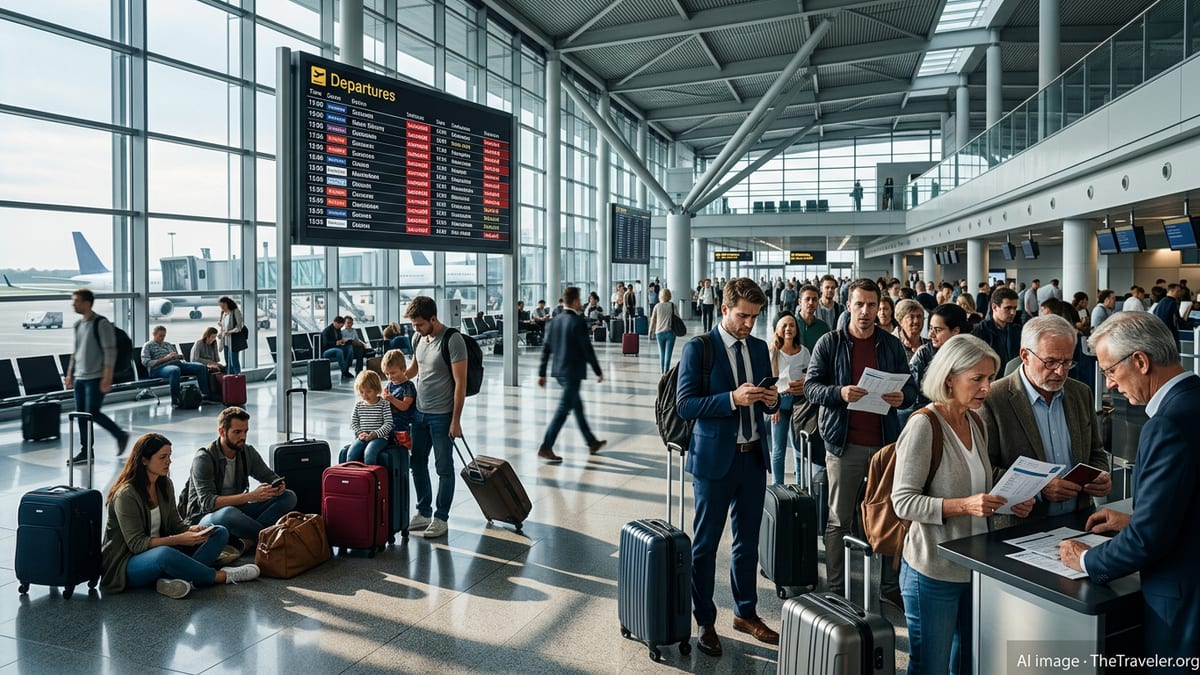
Regulator Emphasises Passenger Rights Amid Ongoing Disruptions
Recent notices and publicly available guidance from Malaysia’s Civil Aviation Authority highlight the expectation that airlines prioritise passengers when operations are disrupted, including through clear communication, prompt assistance and respect for consumer rights under the Malaysian Aviation Consumer Protection Code.
The reminder has taken on fresh relevance as Sarawak-owned carrier AirBorneo continues to manage a wave of delays and cancellations affecting routes across Sabah and Sarawak. The disruptions, which began on 5 June, are linked to concurrent scheduled maintenance and unscheduled technical rectification works that have temporarily reduced the airline’s available fleet.
Regulatory information stresses that when flights are delayed, cancelled or significantly rescheduled, airlines operating in Malaysia are expected to offer rerouting or refunds where applicable, and to provide care such as meals, accommodation and ground transport when thresholds are met. Passengers are also encouraged to keep travel documents and receipts to support any claims that may be made later.
Consumer-facing advisories further underline that travellers have formal channels to escalate complaints about service shortfalls, including disrupted flights, if they are not satisfied with an airline’s response.
AirBorneo’s Fleet Constraints Continue To Hit Borneo Routes
AirBorneo has publicly acknowledged that it is facing an operational bottleneck triggered by a combination of aircraft maintenance and technical issues across parts of its fleet. Published coverage indicates that several aircraft have been withdrawn from service for engineering checks, while others remain in scheduled maintenance, leaving the carrier with fewer planes to operate its timetable.
The airline’s disruptions are concentrated on routes in Sabah and Sarawak, including rural and intercity services that form a crucial air bridge across Borneo. Reports describe rolling delays, last-minute schedule changes and outright cancellations that have affected travellers since early June, with the airline warning that the situation could persist in the short term while aircraft are progressively returned to service.
Publicly available statements from the carrier emphasise that safety remains its central consideration in withdrawing aircraft from service, even when this leads to significant operational disruption. Ground teams have reportedly been tasked with re-accommodating travellers on the earliest available flights and managing on-the-day changes at airports.
For many communities in East Malaysia, especially those served by regional and rural air links, sustained disruptions mean longer travel times, missed connections and challenges accessing essential services that depend on reliable air connectivity.
What CAAM’s Reminder Means For Affected Travellers
By reiterating the importance of consumer rights and effective disruption management, the aviation regulator is signalling that airlines such as AirBorneo are expected to keep passengers informed and supported throughout the current period of instability.
Under existing consumer protection rules, travellers impacted by lengthy delays or cancellations may be entitled to assistance, including food and drink, hotel stays when overnight waits are unavoidable, and ground transfers where required. In certain cases, passengers may choose between continuing their journey at a later time or requesting a refund, depending on the circumstances of the disruption and the fare conditions.
The regulator’s guidance also encourages airlines to ensure that passenger contact details are up to date so they can be reached quickly with rebooking options and status updates. For AirBorneo customers, this means monitoring notifications and checking flight information before leaving for the airport, especially while the airline is operating with a constrained fleet.
Travellers who believe their rights have not been fully respected are advised, based on publicly available procedures, to first lodge a complaint directly with the airline and allow time for a response. If they remain dissatisfied, they may then escalate the matter through the formal complaint mechanisms provided by the regulator and related aviation consumer platforms.
Background: AirBorneo’s Role In Malaysia’s Aviation Network
AirBorneo is a relatively new brand in Malaysia’s aviation market, having taken over operations previously run by MASwings at the start of 2026. The transition placed responsibility for a dense network of domestic routes, including rural air services in Sabah and Sarawak, under the Sarawak state-owned carrier.
These routes are particularly significant because they connect remote towns and interior communities that often lack viable alternatives such as highways or rail. Regular, reliable flights support not only tourism but also business travel, healthcare access and the movement of goods and essential workers.
As a result, any extended period of reduced capacity has an outsized impact on local mobility and regional development. Aviation observers note that ensuring resilience on these routes has become a policy priority, with recent measures introduced to stabilise domestic air services and maintain connectivity between Peninsular Malaysia, Sabah, Sarawak and Labuan.
Against this backdrop, the regulator’s focus on passenger treatment and service reliability places additional pressure on operators like AirBorneo to manage their fleets, maintenance planning and customer communication more tightly, particularly during peak travel periods and holiday seasons.
Steps Passengers Can Take While Disruptions Persist
For travellers booked on AirBorneo in the coming days, publicly available guidance suggests several practical steps to navigate the disruptions while ensuring that rights remain protected. Checking flight status frequently, both on the day of travel and in the days leading up to departure, can reduce the risk of unnecessary trips to the airport.
Passengers are also encouraged to keep boarding passes, booking confirmations and receipts for any additional expenses incurred during delays, such as meals or accommodation, as these may support later reimbursement claims. Where the airline offers alternative flights or refunds, travellers should review the options carefully and confirm any changes in writing, whether through updated itineraries or email confirmations.
If assistance at the airport appears insufficient, passengers can refer to the consumer guidance published by the aviation regulator to understand what support should be available in their situation. They may then raise the issue with airline staff, citing the general standards set out in the Malaysian Aviation Consumer Protection Code.
As AirBorneo works through its maintenance backlog and gradually restores its full schedule, the regulator’s reminder serves as a timely signal that protecting passengers and honouring their rights remains central to maintaining public confidence in Malaysia’s aviation system.