


More news on this day
Thailand’s peak travel season has been rocked by a fresh wave of disruption, as a cluster of 27 flight cancellations centered on Bangkok’s Suvarnabhumi Airport and Koh Samui’s island gateway triggers widespread delays, missed connections, and mounting anxiety among tourists and local operators who rely on seamless links between the capital and the Gulf islands.
Get the latest news straight to your inbox!
Airline Cancellations Converge on Two Key Thai Gateways
Publicly available flight-tracking data and regional aviation coverage indicate that a series of cancellations involving both international and domestic services has converged on Bangkok’s Suvarnabhumi hub and Samui Airport, producing a combined tally of 27 grounded departures and arrivals over a compressed period. The affected flights include long-haul connections into Thailand, regional links across Asia, and short domestic sectors that feed the country’s most visited beach destinations.
Suvarnabhumi, one of Southeast Asia’s busiest international airports, has been at the center of several disruption episodes in recent months, including operational cancellations by Thai Airways and partner carriers on routes to Japan, India, and other Asian markets, as well as schedule adjustments linked to higher fuel costs and softer seasonal demand. Separate specialist aviation reports have documented additional cancellations and frequency cuts that ripple through the wider Bangkok network, amplifying the impact on transfer passengers and onward domestic traffic.
Samui, where access is dominated by a limited number of domestic and regional flights, has proven particularly vulnerable whenever Bangkok operations falter. Recent travel-industry commentary highlights cancelled or consolidated services on the Bangkok–Samui corridor and reduced frequencies on international Samui routes, creating bottlenecks for travelers attempting to reach or leave the popular island at short notice.
Although exact timings and flight numbers vary across daily schedules, the cumulative effect of 27 cancellations affecting these two airports has been to compress demand onto a smaller pool of remaining services, driving crowding at departure gates and complicating rebooking options for stranded passengers.
Fuel Costs, Route Cuts and Regional Turbulence Behind the Chaos
Multiple strands of publicly available information point to a convergence of structural and short-term factors behind the latest disruption. Thai Airways has recently outlined a program of temporary flight reductions across parts of its Asian network, framed as an attempt to manage surging jet fuel prices and moderate demand outside of peak holiday periods. Those reductions, which include cancellations on select Bangkok routes to East Asia and South Asia, have narrowed the margin for absorbing further operational shocks.
At the same time, regional travel reporting shows that several Asian hubs have experienced spikes in same-day cancellations and delays as airlines juggle tight aircraft rotations, crew duty limits, and reroutings around conflict zones. When long-haul or regional flights into Bangkok are cancelled or significantly delayed, associated domestic legs to Samui and other Thai destinations often fall victim to knock-on schedule changes, squeezing connectivity for island-bound visitors.
Low-cost and full-service airlines serving Thailand are also responding to the higher fuel environment by suspending certain thinner routes for the season and consolidating others, particularly where aircraft gauge or yield does not justify full schedules. Industry analyses note that selective suspension of services to and from Thailand has been most pronounced on secondary routes, but the resulting capacity reductions can still translate into crowded flights and limited alternatives when disruption hits core gateways like Suvarnabhumi and Samui.
Travel-focused outlets add that broader geopolitical uncertainty and airspace restrictions in parts of the Middle East and adjoining regions have further complicated flight planning for some carriers linking Europe and the Gulf with Bangkok, increasing the risk that operational strain in one part of a network will cascade into cancellations in Thailand.
Tourism Repercussions for Bangkok, Samui and the Gulf Islands
The latest cluster of cancellations comes at a delicate moment for Thailand’s tourism recovery. Business and tourism groups have been reporting congested terminals and long queues at Suvarnabhumi as arrivals gradually rebound, even as concerns persist that higher airfares and sporadic flight disruptions could deter price-sensitive visitors or shorten planned stays.
Analysts following the Thai tourism sector note that Koh Samui, Koh Phangan, and nearby islands are particularly exposed to aviation shocks because most visitors either fly directly to Samui or connect through Bangkok onto a limited set of domestic flights. When cancellations hit Suvarnabhumi or Samui, travelers face the prospect of losing prepaid hotel nights or tour bookings, or scrambling to arrange alternative routes that involve overland travel and ferries via mainland airports.
Economic commentary suggests that while Thailand’s overall visitor numbers are still on a recovery trajectory, repeated flare-ups of flight disruption could erode confidence among high-spending markets that demand predictable connections and value their time as much as price. Industry voices have warned in recent months that a mix of expensive air tickets, tighter airline capacity and ad hoc cancellations risks diverting some long-haul travelers to competing destinations that can offer more stable flight options.
Local tourism operators on Samui and other islands are therefore watching the situation closely, aware that even a relatively modest cluster of 27 cancelled flights can translate into thousands of disrupted itineraries, late check-ins, and compressed stays that reduce overall spending in restaurants, shops, and excursion businesses.
Passengers Face Long Queues, Missed Connections and Limited Alternatives
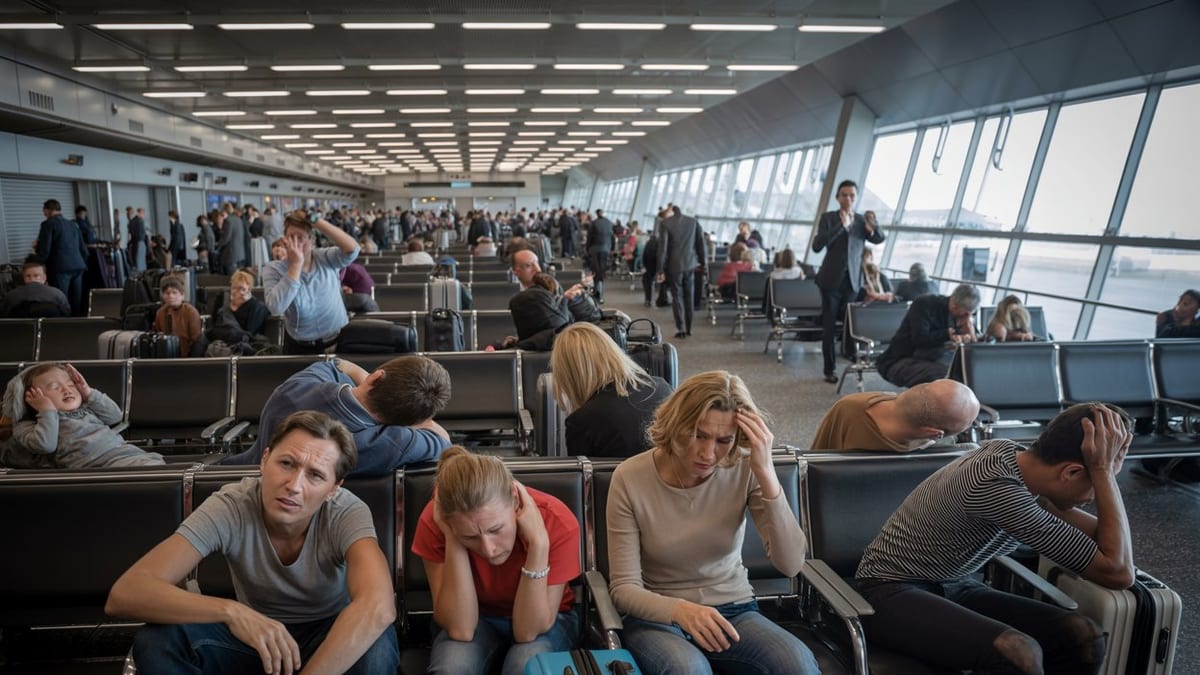
For travelers caught up in the disruption at Suvarnabhumi and Samui, the practical consequences have ranged from extended waits in crowded terminals to missed long-haul connections and unplanned overnight stays. Social media posts and travel community discussions over recent months have described passengers sleeping in airport seating areas, navigating lengthy check-in and security queues, and struggling to secure timely information about rebooking options following late-breaking cancellations.
On heavily trafficked leisure routes, grounded flights can quickly overwhelm remaining capacity. Travel forums referencing Bangkok and Samui operations highlight instances where passengers are moved onto later departures that are already close to full, forcing some to accept routings that involve additional connections or even different Thai airports, followed by domestic transfers or ferry crossings to complete their journeys.
Advisories issued by tourism and aviation commentators increasingly urge visitors to build generous connection buffers into itineraries that rely on same-day domestic links between Samui and long-haul departures from Suvarnabhumi. Some guidance suggests arriving in Bangkok at least a day before major intercontinental flights, particularly during periods of known schedule adjustments or when wider regional disruption is being reported.
Travel insurers and consumer advocates also point out that compensation and refund options can vary depending on whether cancellations are attributed to operational issues, commercial decisions, or weather and airspace restrictions, making it important for passengers to document disruptions carefully and review policy wording before travel.
What Travelers Can Do Now if Thailand Flights Are Hit
In light of the latest wave of 27 cancellations, aviation and travel specialists recommend several practical steps for those planning trips through Suvarnabhumi or Samui. First, travelers are urged to monitor their booking directly with the operating airline, rather than relying solely on third-party agents or generic booking platforms, since last-minute schedule changes may appear sooner in airline channels.
Second, passengers connecting to or from Samui are encouraged to keep itineraries as simple as possible, avoiding tight domestic-to-international transfer windows and considering overnight stays near Suvarnabhumi when feasible. Experienced travelers commenting on Thailand routes note that while many same-day connections proceed without incident, the financial and logistical impact of missing a long-haul flight can far exceed the cost of an extra hotel night in Bangkok.
Third, travel planners emphasize the value of flexible tickets and comprehensive insurance that explicitly covers airline-initiated cancellations and significant delays, particularly during periods when carriers are actively cutting or consolidating flights. Policies that allow penalty-free date changes or offer clear compensation for missed connections can cushion the impact of sudden cancellations in a way that bare-bones coverage cannot.
Finally, tourism observers stress that despite the current disruption, the vast majority of flights into and within Thailand continue to operate. For visitors who remain informed, maintain flexible plans, and allow additional time between key flight segments, Thailand’s beaches, islands and cultural hotspots remain accessible, even as the aviation sector navigates another period of turbulence.