


More news on this day
Widespread delays at Cairo International Airport have disrupted 136 flights and at least one cancellation in recent days, creating a knock-on effect for passengers traveling between Egypt, Europe, the Middle East, other parts of Africa and long-haul destinations beyond.
Get the latest news straight to your inbox!
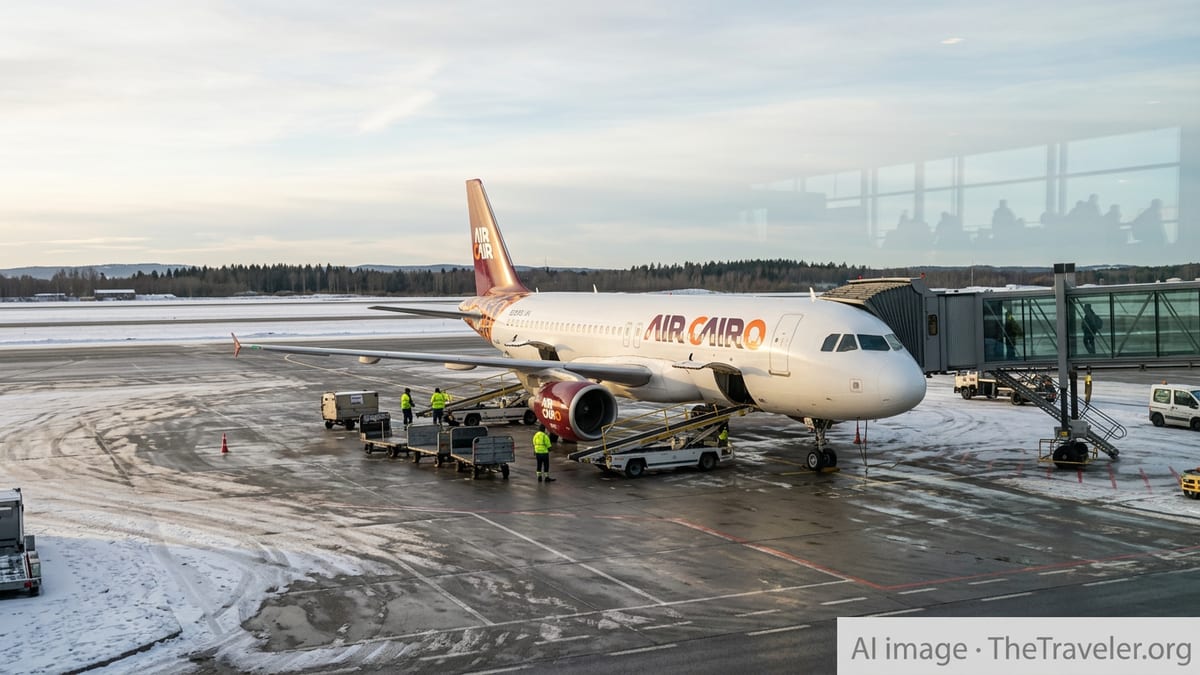
Major Hub Experiences Concentrated Day of Disruption
Cairo International Airport, Egypt’s busiest aviation gateway and a key connecting point between Africa, Europe and the Gulf, has experienced a concentrated wave of disruption, with publicly available operational data indicating 136 delayed flights and one cancellation across a single day of operations. The irregularities affected both departures and arrivals, touching domestic routes as well as regional and intercontinental services.
Tracking platforms show that the delays varied from modest schedule slips of under an hour to more extensive hold-ups that pushed departures and arrivals deep into the night. While individual causes varied by flight, the cumulative effect was a significantly congested operating day at one of the region’s primary transit hubs.
The interruption came at a time when air traffic through Cairo is elevated by peak summer demand and a wider realignment of schedules across the Middle East. This combination of seasonal traffic and regional complexity left many itineraries vulnerable to even minor timing changes on critical trunk routes.
Knock-on Impact Across Egypt, Europe and the Middle East
The delays at Cairo reverberated across multiple regions because of the airport’s role as a connecting hub for EgyptAir and several regional and low cost carriers. Publicly available schedules show links from Cairo to major European cities, Gulf gateways such as Doha, Dubai and Riyadh, and key African capitals, meaning a late departure in Cairo can translate into missed connections and onward delays thousands of kilometers away.
On routes within Egypt and to neighboring countries, delayed departures reduced turnaround times and narrowed connection windows. Passengers on multi leg itineraries through Cairo faced longer waits between flights and, in some cases, unplanned overnight stays when missed connections could not be reaccommodated on the same day.
European and Middle Eastern networks were particularly exposed, given Cairo’s role as a transfer point between cities such as London, Paris or Frankfurt and destinations in East and Central Africa or the Gulf. Even where onward flights remained operational, the tightness of peak season schedules left little spare capacity for rebooking displaced travelers.
Single Cancellation Highlights Fragility of Complex Networks
While the overall number of cancellations remained limited, with one confirmed flight removed from the schedule amid the broader disruption, the impact on affected passengers was disproportionate. For travelers on that route, the loss of a single service meant scrambling for scarce seats on alternative flights at short notice.
Industry experience shows that in a tightly scheduled network, one cancelled rotation can cascade into later sectors as aircraft and crews fall out of position. Even when airlines aim to protect long haul or high demand flights, the need to reposition aircraft often results in schedule reshuffles that extend well beyond the original cancellation.
The Cairo disruption underlined how modern airline networks rely on precise timing and high utilization of both aircraft and crew. When a hub experiences a spike in delays, aircraft may arrive late for their next departure and crews may approach duty time limits, increasing the likelihood of additional schedule adjustments later in the day.
Passengers Report Crowded Terminals and Strained Ground Operations
Accounts shared on travel forums and social platforms describe crowded departure halls and busy transfer areas at Cairo as passengers waited for updated departure times. Some travelers reported long queues at check in counters and transit desks as they sought clarifications on missed connections and rebooking options.
Operationally, extended ground times for delayed flights can strain airport infrastructure, from gate availability to baggage handling and security screening. With many aircraft held on the ground longer than planned, turnaround teams must work to clear late arrivals, refuel and load outbound flights in compressed windows once new departure slots become available.
Summer heat and higher passenger volumes typical of the July travel peak add to the pressure on terminal facilities. Limited spare capacity in terminal seating, food outlets and rest areas can quickly become evident when several departures slip into the same time band and hundreds of additional passengers remain in the building longer than scheduled.
What Travelers Should Expect in the Coming Days
Based on patterns observed during previous disruption events at major hubs, experts note that the immediate wave of delays at Cairo is likely to ease as airlines gradually realign aircraft and crews. However, residual schedule changes such as adjusted departure times, swapped aircraft types or selective frequency reductions may continue for several days.
Publicly available travel advisories and timetable updates suggest that airlines using Cairo are monitoring demand and operational conditions closely, with a focus on protecting the most heavily booked long haul and regional trunk routes. Some carriers may temporarily consolidate lower demand services or adjust departure times to restore buffer into tightly timed rotations.
For passengers booked to travel through Cairo in the near term, industry practice indicates that the most reliable information remains the live status provided by airlines and airports on the day of travel. Travelers with complex itineraries involving connections across Europe, the Middle East or other parts of Africa may wish to allow additional time between flights or consider earlier departures where flexibility exists.