


More news on this day
Australia has raised its travel advice for Laos to “exercise a high degree of caution”, sharpening warnings about tainted alcohol and legal risks after global scrutiny of relatively light punishments linked to a deadly methanol poisoning case involving foreign tourists.
Get the latest news straight to your inbox!
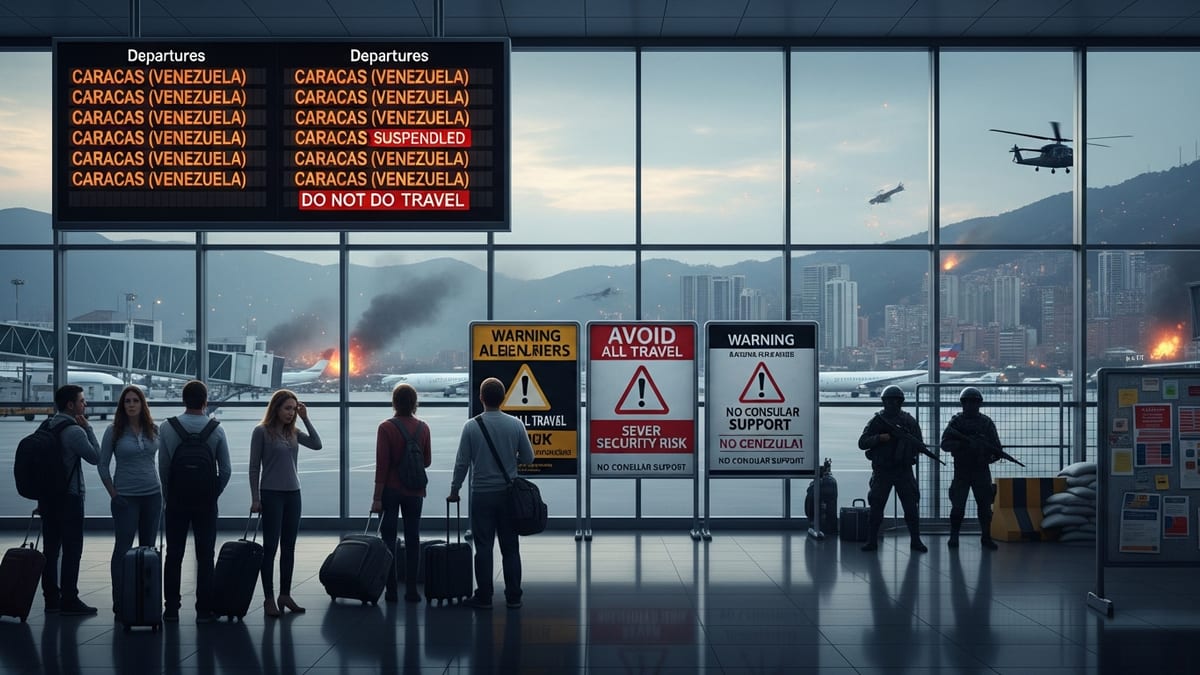
Travel advisory upgraded amid anger over court outcome
The change on the Smartraveller website, updated in mid July, moves Laos from a lower-risk category to a higher alert level and highlights concerns about crime, unsafe alcohol and a lack of transparency in the justice system. Publicly available information indicates the revision came as court proceedings concluded over a mass methanol poisoning incident that killed six foreign visitors in the party town of Vang Vieng in November 2024.
According to recent Australian media coverage, the case centred on contaminated spirits served at a popular backpacker hostel, where two Australian teenagers, two Danish visitors, a British traveller and an American tourist died after consuming drinks later suspected to contain high levels of methanol. Families of the Australian victims have criticised the process and outcomes, describing penalties for those charged as inadequate given the scale of the tragedy.
Reports indicate that Australian ministers have publicly expressed frustration that prosecutors in Laos did not pursue the most serious possible charges over the deaths, even as evidence of methanol poisoning mounted. The disquiet has amplified calls in Australia for stronger, country-specific warnings about illicit or unregulated alcohol in parts of Southeast Asia that attract large numbers of young travellers.
The upgraded advisory does not ask Australians to defer travel to Laos, but it does encourage would-be visitors to carefully reassess risks, pay close attention to local conditions and take greater personal responsibility for health and safety decisions, particularly around nightlife and alcohol consumption.
Methanol tragedy in Vang Vieng reshapes risk perception
The 2024 incident in Vang Vieng has come to symbolise the dangers of poorly regulated drinking venues in some backpacker hubs. International reporting and academic analysis have linked the deaths to spirits that were either adulterated with industrial methanol or contaminated during informal production, creating a toxic mix that can cause blindness, organ failure and death even in small quantities.
Travel medicine specialists have long warned that methanol poisoning, while relatively rare in absolute terms, can cluster around tourist bars that sell very cheap mixed drinks and home-brewed spirits. The Laos case, which involved multiple nationalities and a well-known hostel, brought that risk into sharp focus for a global audience and prompted several governments to strengthen advice around drinking practices in the region.
For Laos, which relies heavily on tourism revenue, the fallout has been significant. Coverage in outlets such as ABC News and the Associated Press has highlighted both the economic importance of backpacker tourism and the reputational damage caused by perceptions that justice has been slow and penalties modest. The new Smartraveller language effectively codifies a higher level of concern about systemic issues such as regulation, enforcement and consumer protection.
Traveller forums and social media discussions in the aftermath of the poisonings have echoed these worries, with some visitors recounting experiences of free shots, unlabelled spirits and “bucket” drinks sold at very low prices. The latest official advice aligns with those informal warnings by specifically calling out the risk of methanol and the need to treat cheap or unfamiliar alcohol with caution.
What ‘high degree of caution’ means for Australian visitors
On Smartraveller’s four-tier scale, “exercise a high degree of caution” sits above “exercise normal safety precautions” and below more severe categories that advise reconsidering or avoiding travel altogether. In practical terms, the shift signals that Australians in Laos should be more alert to local conditions, follow news developments closely and adopt stricter personal safety habits.
The advisory notes issues such as crime, limited medical facilities in some areas and concerns about how legal processes operate. For travellers, this means that problems which might be manageable at home, such as a dispute with a business or a health emergency after a night out, can carry higher stakes in a country where language barriers, different legal standards and uneven healthcare access may complicate responses.
Smartraveller materials encourage Australians to take out comprehensive travel insurance, register their travel details and keep family or friends informed of their movements. They also urge visitors to respect local laws and cultural norms, pointing out that penalties for drug use and some public order offences can be severe, regardless of a traveller’s intent or awareness.
Travel industry observers suggest the elevated warning may prompt some tourists to opt for better-reviewed accommodation, avoid high-risk party venues and plan itineraries that place greater emphasis on outdoor activities and cultural attractions rather than heavy nightlife. Tour operators focused on small-group and adventure travel are likely to stress their safety protocols in response.
Alcohol safety now central to Laos travel planning
Methanol poisoning has become a central theme of the updated Australian advice for Laos. Public guidance emphasises being wary of very cheap spirits, avoiding home-made or unlabelled alcohol and treating offers of free shots or shared “bucket” drinks with particular scepticism. Travellers are urged to favour sealed, branded products from reputable venues and to avoid drinks that have been left unattended or prepared out of sight.
Medical literature notes that early symptoms of methanol poisoning, such as headache, dizziness, nausea and blurred vision, can resemble a hangover, which increases the risk that affected travellers delay seeking urgent treatment. The Smartraveller messaging implicitly responds to this by encouraging visitors to take any unusual reaction to alcohol seriously and to seek medical help quickly if they suspect their drink has been tampered with or improperly produced.
Australian travel advice also points out that emergency response capacity in parts of Laos may be limited, particularly outside major centres such as Vientiane and Luang Prabang. Some travellers may need to be evacuated to neighbouring countries for complex treatment, which reinforces the importance of robust travel insurance and having funds available for rapid medical transport.
For backpackers moving through multiple Southeast Asian countries, the events in Laos serve as a cautionary tale about nightlife across the region. Safety recommendations issued in relation to Laos increasingly mirror broader advice for nearby destinations, underlining that the combination of cheap alcohol, informal supply chains and high tourist volumes can create similar risks elsewhere.
Legal and diplomatic backdrop to the advisory shift
The timing of the Laos upgrade coincides with an intense period of diplomatic engagement between Australia and Laos over the handling of the methanol case. Recent ministerial statements in Canberra have described the outcomes as deeply disappointing, and reports indicate that Australia is sending senior envoys to convey its concerns directly to Lao counterparts.
Publicly available information from the Australian government outlines long-running efforts to obtain detailed briefings on the investigation, charges and court proceedings. Families of the victims have campaigned for stronger action, arguing that the combination of limited charges and relatively short potential sentences fails to reflect the loss of life and may not act as a sufficient deterrent against future misconduct.
Legal analysts quoted in regional coverage have suggested that gaps in Laos’s regulatory framework for alcohol production and licensing, coupled with resource constraints in enforcement agencies, make it difficult to ensure consistent standards. The controversy over the Vang Vieng case has therefore become a touchstone for broader debate about consumer protection and accountability in the country’s tourism sector.
By explicitly raising its advisory level for Laos, Australia is signalling both to its citizens and to the Lao government that conditions warrant closer scrutiny. For travellers, the message is not to abandon plans entirely, but to recognise that the risks around alcohol, health care and legal processes are higher than previously indicated and to plan their trips accordingly.