


More news on this day
Passengers flying through Prince George Airport are being warned to expect significant delays for up to 10 business days after a malfunction in checked baggage screening equipment disrupted normal operations this week.
Get the latest news straight to your inbox!
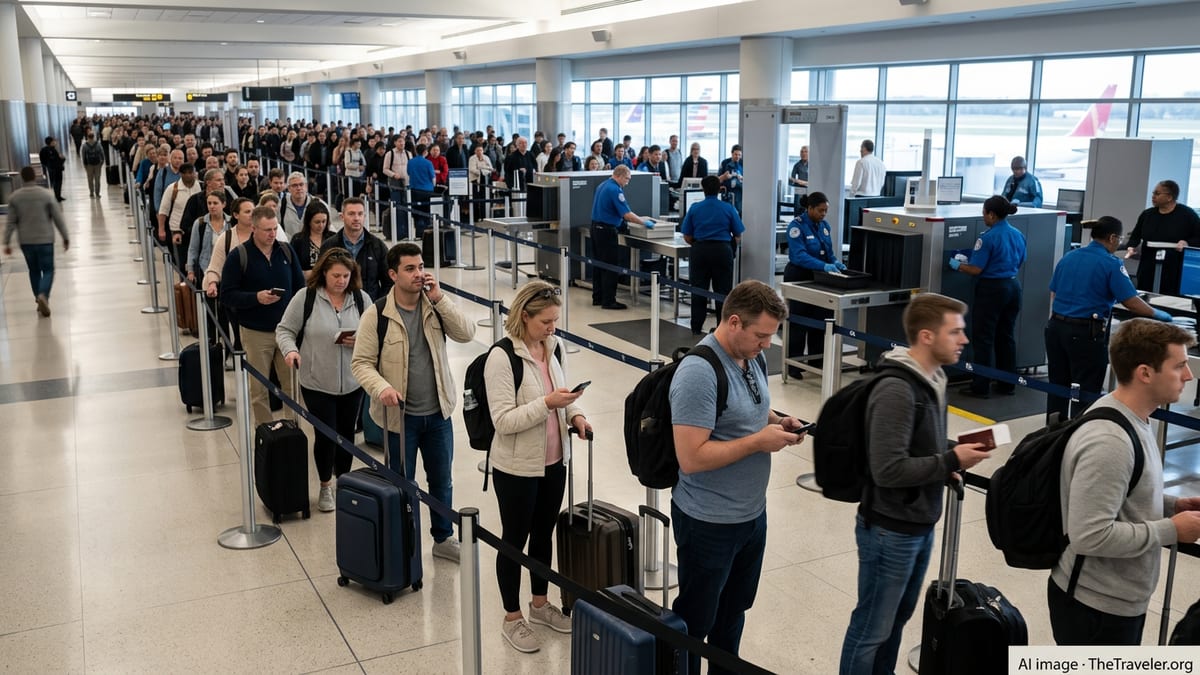
Screening malfunction triggers operational slowdown
Reports indicate that a key piece of checked baggage screening equipment at Prince George Airport has experienced a malfunction, affecting how luggage is processed before it is loaded onto aircraft. The affected system is part of the security screening chain that normally scans bags behind the scenes after passengers check them in at airline counters.
Publicly available information suggests airport and security personnel have shifted to contingency procedures while technicians work to diagnose and repair the issue. These workarounds typically involve additional manual handling and alternative screening methods, which can significantly slow down the flow of bags from check-in to aircraft holds.
The airport has advised that the disruption could last as long as 10 business days, creating an extended period of irregular operations. During this window, capacity for processing checked luggage is expected to remain constrained, particularly at peak departure times when multiple flights are scheduled in close succession.
While flights are generally continuing to operate, the malfunction is adding time and complexity to pre-departure processes. Passengers may not see the faulty equipment itself, but many are likely to feel its impact in the form of longer queues, earlier check-in cut-offs and a higher risk of delayed or misrouted bags.
What travellers can expect at the terminal
For departing passengers, the most immediate effect is likely to be longer wait times at airline check-in counters and potential congestion in the departures area as baggage moves through slower, more manual screening steps. Travel industry experience in similar incidents at other airports shows that even a partial loss of automation in the baggage system can quickly create bottlenecks as staff attempt to maintain security standards with reduced throughput.
Some airlines may introduce temporary restrictions or recommendations on checked baggage in an effort to keep flights on schedule. This can include earlier cut-off times for bag drop, encouraging carry-on only travel where feasible, or asking customers to arrive at the airport significantly earlier than usual to allow the extra time required for screening.
Arriving passengers could also encounter delays at baggage claim if inbound luggage must be processed or transferred through affected systems. In some previous screening and baggage system disruptions at other airports, travellers have reported waiting extended periods at carousels or being asked to collect bags in alternate areas while ground crews manually handle luggage.
Publicly available guidance from consumer and aviation bodies generally recommends that travellers keep essential items such as medications, travel documents, valuables and a change of clothes in carry-on bags whenever there is an elevated risk of baggage disruption. That advice is especially relevant while Prince George Airport works through its current screening challenges.
Security requirements limit flexibility during repairs
The malfunction is taking place against the backdrop of strict federal security requirements for checked baggage screening in Canada. National rules oblige airports and screening authorities to ensure that all checked bags are properly examined before being loaded, leaving limited room to simply bypass a malfunctioning system in the interest of convenience or speed.
Published information from Canadian aviation and security agencies highlights that, in the event of equipment outages, airports typically move to alternative screening procedures rather than relaxing standards. These measures can include redirecting bags to other machines, increasing the use of trace detection or manual inspections, and reallocating staff to maintain security while trying to minimize passenger disruption.
In practice, these contingency steps are more labour-intensive and can carry lower overall capacity than fully functioning automated systems. That dynamic helps explain why a single piece of critical screening equipment going offline can have knock-on effects that last well beyond the initial fault, especially at regional airports with fewer redundant systems.
The anticipated 10-business-day window for disruption reflects both the technical work required to repair or replace specialized screening hardware and the time needed to test and certify the system before it returns to regular use. Until that process is complete, passengers are likely to see a more visible security presence around baggage operations.
Passenger rights and practical strategies
While the root cause of the delays lies with airport security infrastructure rather than airlines, passengers are still encouraged to familiarize themselves with their carrier’s policies on delayed or mishandled baggage. Publicly available guidance from regulators and consumer agencies generally notes that airlines remain the primary point of contact when checked bags are delayed, damaged or lost during air travel.
In many jurisdictions, airlines are expected to provide assistance such as reimbursement for basic necessities when bags are significantly delayed, subject to specific conditions and documentation. Travelers are often advised to keep boarding passes, baggage tags and receipts for essential purchases so they can support any future claims if their luggage does not arrive as planned.
Given the current situation at Prince George Airport, travel experts typically recommend several practical steps: arrive earlier than usual, avoid tight connections if possible, and pack light to reduce reliance on checked baggage. For those who must check bags, clearly labeling luggage with contact information and using distinctive identifiers can help ground staff reunite passengers with their belongings more quickly if routing issues occur.
Travel insurance policies that include baggage delay or loss provisions may also offer an added layer of protection during periods of operational disruption. Passengers considering such coverage are generally advised to review policy terms closely to understand eligibility thresholds, time limits and documentation requirements before they travel.
Regional impact and outlook
Prince George Airport serves as an important hub for northern British Columbia, linking the region to larger Canadian cities and facilitating both business and leisure travel. The screening malfunction and resulting delays are therefore likely to ripple beyond the terminal, affecting local tourism operators, business travelers and residents who rely on consistent air service.
Extended baggage processing times can create scheduling challenges for airlines operating tightly timed rotations in and out of smaller airports. Any slippage on the ground may lead to downstream delays on later flights, as aircraft and crews are held longer than planned to accommodate baggage handling constraints.
For the coming days, publicly available information suggests that travellers should prepare for a less predictable airport experience, particularly at busy morning and late-afternoon departure banks. The situation may evolve as technicians progress with diagnostics and repairs, and as airport and airline teams adjust staffing patterns and operational plans in response to real-time conditions.
Until the malfunctioning screener is fully restored to service, Prince George Airport is expected to remain in a heightened state of operational caution, balancing security obligations with efforts to keep passengers and their luggage moving. Holidaymakers, business travellers and local residents planning to fly in the next two weeks are being urged to build additional time and flexibility into their itineraries.