


More news on this day
Caledonian Sleeper Ltd, the overnight rail operator linking Scotland and London, is entering a new phase of expansion and refinement, with a feasibility study into mainland Europe services, new Midlands connectivity and detailed regulatory updates reshaping one of the United Kingdom’s most distinctive train operations.
Get the latest news straight to your inbox!
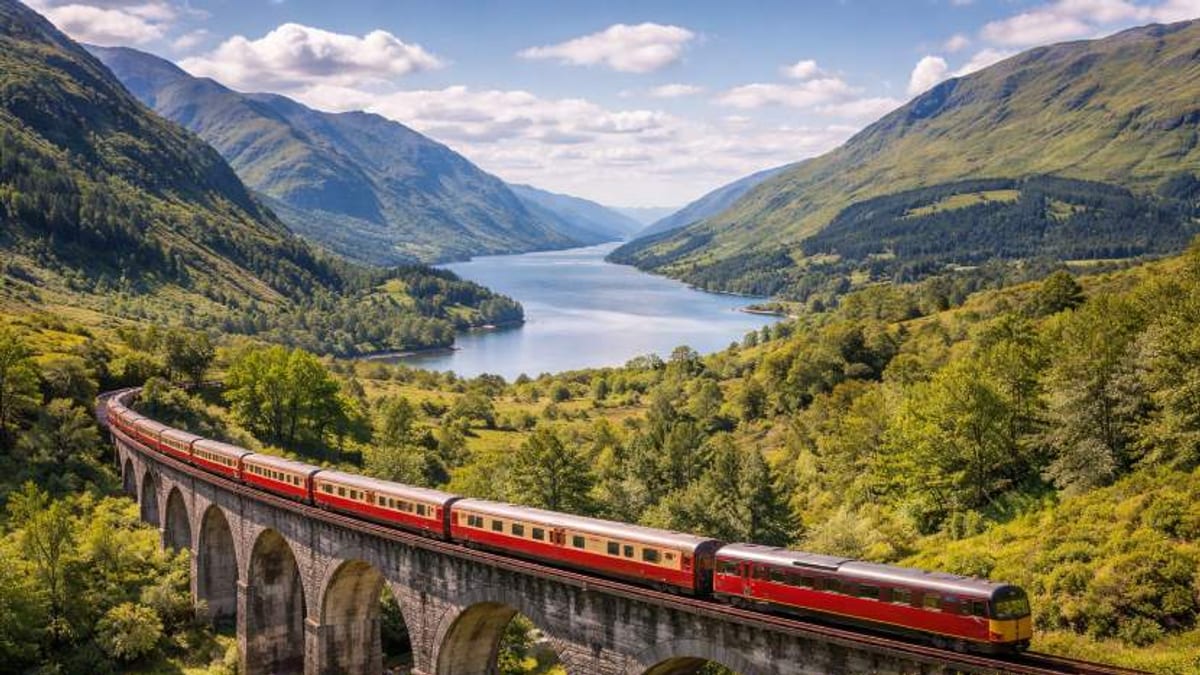
Nationalised operator refines its long-distance night network
Caledonian Sleeper services have been operated in the public sector by Scottish Rail Holdings since June 2023, when the franchise transferred from private operator Serco. Publicly available information shows that the service continues to run as a standalone brand, marketed as a hotel-style overnight journey connecting London with Edinburgh, Glasgow, Aberdeen, Inverness and Fort William.
The network remains one of only two regular overnight rail services in Great Britain, positioning Caledonian Sleeper as a flagship for long-distance sustainable travel. Trains depart London Euston late in the evening and arrive in Scottish destinations the following morning, enabling passengers to replace both a daytime rail journey and a night in a hotel with a single trip.
Despite its niche role in the wider rail market, recent reports indicate that demand remains resilient, supported by a mix of business travellers, tourists and rail enthusiasts. Pricing continues to attract scrutiny, with published coverage highlighting sharp differences between seated fares and cabin prices, reflecting the premium positioning of the service.
Operational performance has been an increasing focus. Industry documents indicate that the operator has been working with infrastructure managers to maintain punctuality and reliability across complex routes that traverse multiple main lines and some of the most constrained parts of the British rail network.
Birmingham International stop reshapes Highland routes to London
From January 2026, the Caledonian Sleeper’s Highland services from Aberdeen, Inverness and Fort William to London have been re-routed to serve Birmingham International, adding a major Midlands hub to the network. According to published timetable information, these trains now run via Birmingham International, Crewe and Preston before continuing to Edinburgh Waverley and onward to the Highlands.
Regulatory filings show that the change required a series of supplemental track access agreements between Caledonian Sleeper Ltd and Network Rail. These documents describe the Birmingham International call as a means of strengthening connectivity while working within the limited capacity of the West Coast Main Line. The reroute involves using existing diversionary paths and adjusting intermediate calls to fit around other long-distance services.
The move is intended to broaden the service’s catchment area, offering overnight connections from the Midlands to the Scottish Highlands without the need to travel into central London first. For southbound passengers, the revised pattern retains connections from Fort William that align with ferry arrivals, helping to preserve important multimodal links for remote communities.
Industry representations suggest that performance impacts from the additional stop are expected to be manageable. Network Rail assessments referenced by public documents indicate that Caledonian Sleeper was already exceeding its right-time punctuality targets, and that the revised routing should be compatible with maintaining current standards.
Customer satisfaction data paints a mixed but improving picture
Detailed survey data published for the 2025 to 2026 reporting year provide an insight into passenger perceptions of Caledonian Sleeper. A quarterly customer satisfaction survey, based on hundreds of completed questionnaires, tracks views on comfort, cleanliness, staff interactions, catering and onboard facilities.
The most recent publicly available report, covering journeys between June and September 2025, indicates generally positive overall satisfaction, with particular strength in ratings for staff courtesy and the unique overnight experience. Many respondents highlight the convenience of arriving centrally in major cities early in the morning, which remains a core appeal of sleeper travel.
However, the same data and parallel public commentary point to ongoing concerns around value for money, especially in premium accommodation. The gap between seat-only fares and prices for en suite cabins has prompted discussion among travellers comparing the service with both daytime rail and budget airlines, as well as with continental European sleeper options.
Online feedback during 2026 also underscores sensitivity to delays and service disruption. While timetable padding and flexible routing often allow late departures to be recovered en route, even small delays can significantly affect onboard rest, with passengers reporting shortened nights or early wake-up calls when arrival times shift.
Feasibility study explores direct services to mainland Europe
The most eye-catching development for Caledonian Sleeper Ltd is a new feasibility study examining the potential for direct overnight services between Scotland and mainland Europe. Recent public statements from Scottish Government-linked bodies indicate that a working group has been established bringing together Transport Scotland, Scottish Rail Holdings and the operator to explore the concept.
The study is framed as fulfilling a manifesto commitment to assess options for a Caledonian Sleeper link to the continent. Initial work is understood to focus on high-level technical and commercial questions, including compatibility with Channel Tunnel safety regulations, rolling stock requirements and border control arrangements at potential European termini.
Rail commentators have already begun speculating on possible operating models, such as using high-speed or modified rolling stock capable of running both on Britain’s classic network and on high-speed lines in France, Belgium or beyond. Any such service would need to integrate with existing overnight and high-speed networks while offering timings that keep journeys within a single night.
While no decisions have been announced, the study signals growing interest in long-distance rail as a lower-carbon alternative to short-haul flights. For Caledonian Sleeper Ltd, a successful outcome could transform the brand from a domestic overnight operator into a cross-border player linking Scottish cities directly with continental destinations.
Regulatory framework and future outlook for the night train
The latest track access documentation published by the Office of Rail and Road highlights the complex regulatory environment in which Caledonian Sleeper Ltd operates. A consolidated agreement updated through early 2026 lists a succession of supplemental arrangements, reflecting timetable changes, routing revisions and performance-related clauses agreed over recent years.
These documents provide an insight into the balancing act required to accommodate a long, relatively slow night train on busy mixed-traffic routes. Access rights must be harmonised with freight operators and high-frequency passenger services, particularly on the southern sections of the West Coast Main Line where capacity constraints are acute.
Despite these challenges, the operator’s recent performance figures reported within industry submissions suggest that Caledonian Sleeper has been able to maintain punctual operations at a level above its contractual targets. Infrastructure managers continue to view the service as an important part of the network mix, particularly for providing connectivity to and from remote parts of Scotland.
Looking ahead, the combination of the Birmingham International extension, a potential European link and steady customer demand positions Caledonian Sleeper Ltd at the centre of broader debates about the role of night trains in a decarbonising transport system. As regulatory and commercial work progresses, overnight rail between Scotland, England and possibly continental Europe appears set to play a more prominent role in the travel choices of both domestic and international passengers.