


More news on this day
Motorists across New South Wales are being urged to brace for heavy congestion and longer travel times, as a major events weekend collides with ongoing disruptions on one of the state’s busiest regional corridors.
Get the latest news straight to your inbox!
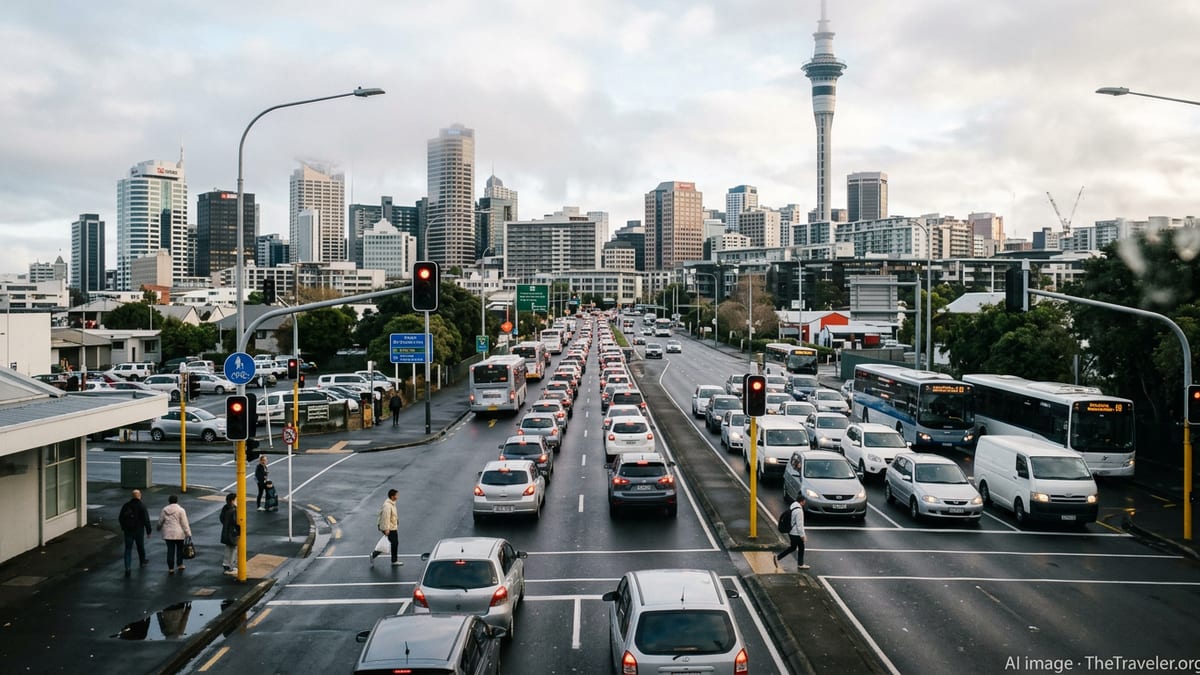
Major weekend events set to push Sydney roads to capacity
Large crowds heading to flagship entertainment and sporting events in Sydney are expected to place significant pressure on key approaches to the city and Sydney Olympic Park, with transport planners warning that the cumulative impact is likely to slow traffic well beyond each venue precinct.
Publicly available event information shows that blockbuster stadium events at Sydney Olympic Park typically draw tens of thousands of ticket holders, many of whom arrive by car from across Greater Sydney and regional New South Wales. Transport advisories for recent and upcoming events at Accor Stadium and nearby arenas strongly encourage visitors to leave the car at home where possible and to factor in additional time when driving on the M4 Motorway, Homebush Bay Drive, Silverwater Road and other major feeder routes.
Guidance published for major events at Sydney Olympic Park notes that dedicated public transport services are often included with event tickets, covering train, metro and some bus and light rail services. Even with this provision, traffic around the precinct can be heavy for several hours before and after stadium events, particularly at evening sessions when routine commuter traffic overlaps with match or concert arrivals.
For those who still choose to drive, transport notices recommend carpooling, pre-booking parking where possible and checking live traffic updates before leaving. Drivers are also being reminded that temporary road closures and changed traffic conditions are likely in streets immediately surrounding event venues, which can add to delays as traffic is redirected.
Blue Mountains pinch point compounds long weekend pressures
At the same time, a separate set of warnings is in place for motorists using the Great Western Highway across the Blue Mountains, where emergency works at Victoria Pass continue to constrain capacity on the state’s primary route between Sydney and the Central West.
Recent updates from the New South Wales Government highlight that ongoing repairs and safety works at Victoria Pass have forced all traffic onto detour routes through Mount Victoria and surrounding villages, with temporary speed limits and traffic control points in operation. Reports indicate that journey times between the metropolitan area and regional centres such as Bathurst and Orange have already been significantly extended on busy days.
An advisory issued in early October urges motorists travelling over the Blue Mountains “this weekend and next” to plan ahead and allow extra time, with particular caution for those unfamiliar with the winding detour roads. The same notice points out that delays are most likely during peak getaway and return periods, especially in conjunction with school holidays and major events elsewhere in the state.
Traffic monitoring and manual traffic control are being used to manage queues on the detour routes, but officials acknowledge that congestion is expected to remain an issue while the Victoria Pass works continue. Holidaymakers and freight operators are being encouraged to consider travelling outside peak times where possible to reduce pressure on the corridor.
Why two separate disruptions add up to statewide gridlock risk
While the Sydney event program and the Blue Mountains roadworks are geographically distant, transport specialists note that the combination has the potential to trigger a wider knock on effect across the network. When multiple high attendance events take place in Sydney on the same weekend, arterial routes such as the M4, M5, M7, Pacific Highway and Princes Highway all experience heavier than usual volumes as visitors converge on the city from regional areas.
With the Great Western Highway constrained at Victoria Pass, travellers from the Central West heading to Sydney events face detours, longer drive times and less flexibility to avoid peak periods. Publicly available traffic modelling referenced in state government material indicates that diversions on a single strategic corridor can push additional vehicles onto other highways and local roads, amplifying congestion in corridors that would otherwise cope.
Past episodes of disruption, including flood related highway closures and large scale protest activity, have shown how quickly Sydney’s road network can become congested once key links are restricted. Published coverage of previous incidents describes multi kilometre queues forming well beyond the initial blockage points, as navigation apps and roadside signs direct motorists onto a limited set of alternatives.
For this reason, the combination of major crowd events in the capital and constrained capacity on a primary regional route has prompted fresh calls from transport planners for drivers to reconsider discretionary car trips, particularly during forecast peak windows around stadium kick off and return flows on Sunday afternoon and evening.
Official advice for drivers: plan, reroute and slow down
General guidance from Transport for NSW and related agencies emphasises a handful of practical steps for anyone who must be on the road while the twin pressures are in play. Motorists are urged to plan their journey in advance using official trip planning tools, to check for last minute changes to event timings or road works, and to build in additional time for rest breaks on longer regional trips.
Published advice for holiday periods and long weekends suggests avoiding traditional peak travel windows where possible, including late Friday afternoon and early evening departures from Sydney, and mid to late afternoon return trips on Sunday and Monday. Drivers who can shift their travel to early morning or later evening periods may encounter lighter conditions, although queues near event precincts are still possible close to showtime.
Authorities also consistently stress the importance of safe driving behaviour on constrained mountain roads and in heavy traffic around event venues. Messages repeated in recent government releases include maintaining safe following distances, obeying temporary speed limits and traffic controllers, and avoiding risky overtaking on narrow detour routes.
Those heading to or from the city by car are being reminded that public transport remains the most reliable option for journeys that would otherwise end in high demand parking zones near major stadiums and entertainment hubs. Where a full switch is not possible, partial park and ride options at suburban stations and interchanges are being promoted as a way to reduce inner city congestion.
What travelers should do now
Travel industry observers suggest that anyone with flexible plans should finalise their itineraries as early as possible and keep a close eye on updated event and roadwork advisories. Accommodation bookings near major venues and along the Blue Mountains corridor may experience higher demand as some travellers adjust their departure days to avoid the busiest windows.
For regional visitors, rail and coach services provide an alternative to long car journeys at a time when the highway network is under pressure. While some services may be busier than usual on event days, publicly available timetables indicate that extra capacity is often scheduled where large crowds are expected.
Motorists who do proceed with their plans are encouraged to travel with sufficient water, fuel and phone battery, and to have an alternate route in mind in case conditions deteriorate. In previous disruption events, some drivers have faced unplanned delays of an hour or more when minor incidents occurred on already congested detour routes.
As New South Wales moves into a busy calendar of spring and early summer events, transport agencies and motoring groups are reiterating that congestion will be part of the picture on popular routes. For many drivers, the key to avoiding the worst of the chaos will be early planning, flexible timing and a willingness to shift at least part of the journey to public transport.