


More news on this day
Canada has tightened its travel advisory for France, warning of mass demonstrations, potential curfews and significant disruption to transport and public services as protests swell across major cities.
Get the latest news straight to your inbox!
Advisory Updated As Demonstrations Sweep French Cities
Global Affairs Canada updated its France travel advice on October 28, 2026, highlighting a sharp escalation in protests that have unfolded nationwide since late September. The advisory maintains the overall risk level at “exercise a high degree of caution” but substantially expands the section on demonstrations and public order.
According to the advisory, large scale marches and rallies have been taking place across France for several weeks and are now a key factor for Canadian travellers to consider when planning trips. The update underscores that even events that begin peacefully can deteriorate quickly, with confrontations between demonstrators and security forces reported in Paris and other urban centres.
Published coverage from international outlets describes crowds numbering in the hundreds of thousands in recent days, with protests linked to concerns over living costs, school funding and broader economic grievances. In some locations, clashes have led to property damage, fires and the deployment of riot control units.
The Canadian advisory notes that demonstrations are a regular feature of French political life, but stresses that the current wave is both larger and more volatile than routine strikes or marches that visitors may be accustomed to encountering.
Planned Protest Dates, Curfews and Potential Disruptions
Publicly available information from the Canadian government states that further large demonstrations are planned for October 31 and November 5, 2026, in several cities across France, including Paris. Travellers arriving or departing on or around these dates are warned to anticipate congestion, delays and last minute changes to planned routes.
The advisory indicates that authorities may impose partial or localized curfews at short notice in response to evolving security conditions. Such measures can limit movement during evening or night hours in affected neighbourhoods. Travellers are urged to monitor local news and municipal announcements for district specific rules that may impact hotel returns, restaurant reservations or night train services.
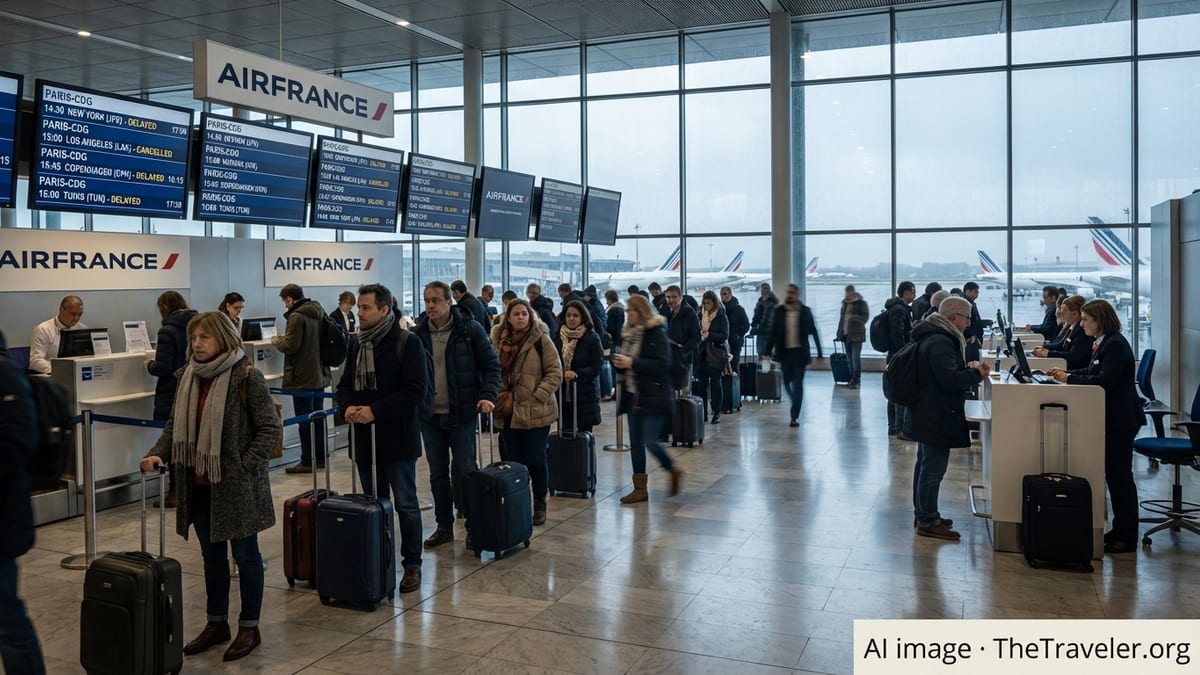
Reports also point to the possibility of temporary closures of metro stations, tram lines or major intersections near protest routes. In some cases, bus services have been diverted and vehicle access restricted around central squares and government buildings. Rail operators and airlines have advised passengers to allow extra time to reach airports and long distance train stations when large rallies are scheduled.
Canadian travellers are advised to be ready to adjust itineraries on short notice, including altering sightseeing plans or intercity travel days to avoid demonstration hotspots. The advisory highlights that disruptions can begin hours before a scheduled march and may continue well after crowds disperse.
Heightened Security, Crowd Control and Terrorism Context
Alongside civil unrest, Canadian officials continue to flag the underlying threat of terrorism in France and across Europe. The advisory reiterates that past attacks have targeted public venues and transport hubs and that further incidents are possible without warning.
France currently operates under an enhanced vigilance security posture, supported by the Vigipirate alert framework and Operation Sentinelle, which deploys police, gendarmes and military patrols around areas of high foot traffic. Travellers are likely to encounter bag checks at major train stations, shopping centres and cultural sites, as well as visible patrols near places of worship and large event venues.
Publicly available guidance from allied governments similarly describes France as a destination requiring increased caution due to both terrorism and unrest. Recent advisories emphasize that protests can involve aggressive tactics by a minority of participants and that security forces may respond with measures such as tear gas and water cannon when crowds ignore dispersal orders.
Canadian travellers are encouraged to remain aware of their surroundings in crowded locations including transit hubs, tourist districts and busy commercial streets. Particular vigilance is recommended during public holidays, sporting events and political gatherings, which can draw both large crowds and significant security deployments.
Practical Advice For Canadian Travellers In France
The updated Canadian advisory sets out clear behavioural recommendations for visitors. Travellers are urged to avoid areas where demonstrations are taking place, steer clear of large gatherings and leave any area where tension appears to be rising. Monitoring local media and official municipal channels is presented as essential for staying informed about protest routes, transport changes and any curfew announcements.
Visitors are advised to build flexibility into their plans, including allowing extra time to cross the city for airport transfers or high speed train departures and considering alternative routes if usual metro lines or arterial roads are closed. Booking tickets with changeable conditions can help limit costs if travel days need to shift because of major disruptions.
The advisory also points out that heightened security measures can affect everyday logistics. Bag searches at museums, department stores and sports arenas can lengthen entry queues, particularly at peak hours. Travellers are encouraged to carry identification at all times and to cooperate calmly with screening procedures to avoid delays.
For Canadians already in France, publicly available information suggests registering contact details with consular services and keeping copies of travel documents separately from originals. Travellers planning upcoming trips are encouraged to review the latest version of the advisory shortly before departure, as demonstration calendars and local security measures may change quickly in the weeks ahead.