


More news on this day
Canada has strengthened its safety advice for travel to France, warning Canadians to exercise a high degree of caution as mass demonstrations, local curfews and a visible security build-up continue to affect major cities across the country.
Get the latest news straight to your inbox!
Advisory Updated Amid Nationwide Demonstrations
Global Affairs Canada updated its France travel advice in late October, highlighting a deteriorating security environment linked to large demonstrations and episodes of unrest. The risk level remains at “exercise a high degree of caution,” but the language in the safety and security section now places greater emphasis on protest-related violence, property damage and the potential for rapid escalation in urban centers.
The latest advisory notes that a coordinated “day of action” has been called across France, with demonstrations planned in multiple cities, and warns that further protest dates are likely. Recent marches have led to vandalism, arson and confrontations between protesters and security forces, particularly in Paris and other major metropolitan areas.
Canadian travelers are advised to avoid demonstration sites, stay informed through local news channels and be prepared to change itineraries on short notice if events intensify. The guidance stresses that even gatherings that begin peacefully can shift quickly, particularly around symbolic locations such as central squares, government buildings and university areas.
The update follows weeks of student-led protests and broader social unrest that have filled streets in cities including Paris, Lyon and Marseille. Publicly available reporting shows that thousands of arrests have been made nationwide in connection with these protests, underscoring the scale and persistence of the movement.
Heightened Security, Curfews and Disruptions for Visitors
The Canadian advisory points to a marked increase in security measures in affected parts of France. Travelers are told to expect a heavier police and gendarmerie presence, as well as military patrols in some public areas under France’s long-standing counterterrorism posture. These deployments are especially visible around transport hubs, central squares and areas that have recently hosted mass gatherings.
Local authorities in France have also imposed evening and nighttime curfews in selected municipalities to contain unrest and limit the risk of clashes after dark. The Canadian guidance encourages visitors to verify whether their neighborhood or accommodation falls within a restricted zone and to respect any movement limits that may change from day to day.
Reports from European travel and security advisories indicate that some cultural and sporting events have been postponed or adjusted in response to demonstrations and crowd-control operations. Public services and urban transport networks are facing intermittent disruption, particularly on and around major protest days when marches move through central districts.
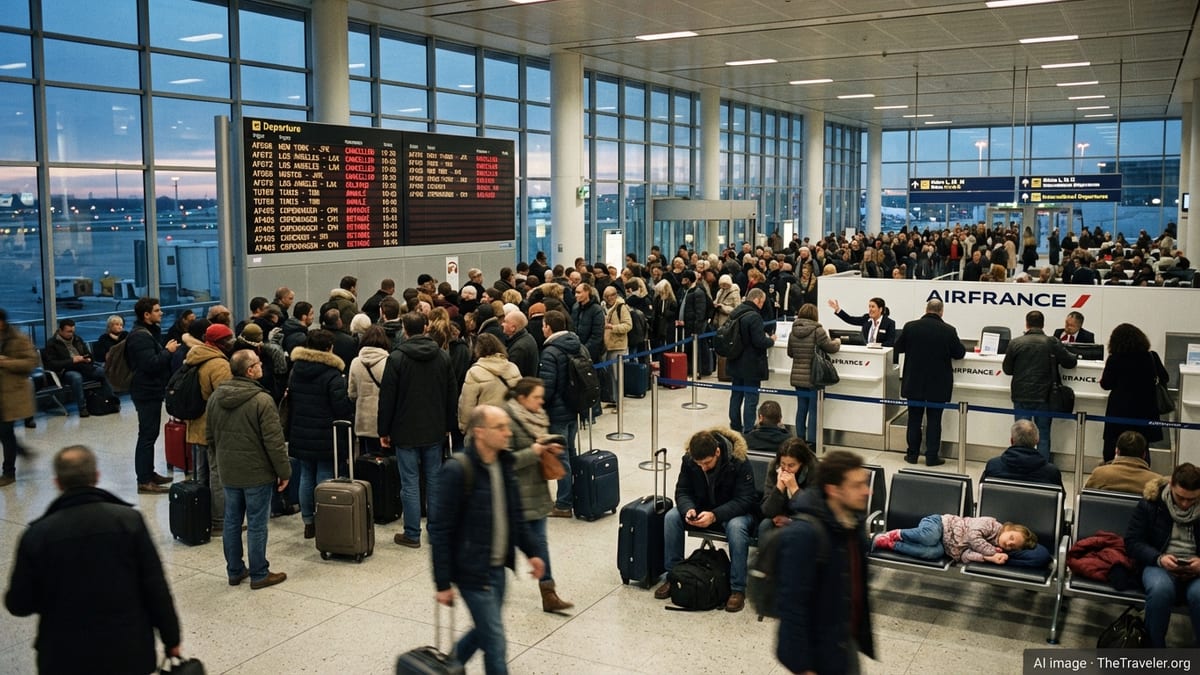
For travelers, this can mean last-minute route changes on metro and tram lines, rolling closures of key intersections, and longer journey times to and from airports and rail stations. The advisory recommends building extra time into transfers, confirming schedules with operators on the day of travel, and having contingency plans if favored routes are suddenly blocked.
Terrorism Threat Remains a Core Concern
Alongside civil unrest, Canada continues to cite the threat of terrorism as a primary reason for maintaining its elevated caution level for France. The advisory notes that French authorities operate the Vigipirate security framework, a tiered alert system designed to respond to terrorism-related risks and attacks in public spaces.
Public information from French and allied government travel notices indicates that France is currently operating at an enhanced vigilance tier, which supports reinforced screening and a heightened security posture at sensitive sites. These include transportation hubs, religious venues, major tourist attractions, and large events that concentrate crowds.
The Canadian guidance aligns with advisories from several partner countries, which also urge travelers to stay alert in busy public places and to be especially cautious during high-profile events, religious holidays and political rallies. Travelers are encouraged to remain aware of their surroundings, quickly move away from any situation that appears tense, and follow any broadcast security announcements in stations, airports and public venues.
While most trips to France continue without serious incident, the advisory underlines that terrorism and unrest can overlap in ways that strain local security resources. For visitors, that combination may translate into spot checks, bag inspections, temporary closures of sites and occasional access limits around popular landmarks.
What Canadian Travelers Should Expect on the Ground
For Canadians planning near-term travel, the practical impact of the updated advisory is less about outright cancellations and more about realistic preparation. The government notice does not call for avoiding France entirely, but rather for a higher level of personal vigilance and flexibility while in the country.
Prospective visitors are encouraged to register their trip with the Government of Canada’s registration service so they can receive urgent updates if the security environment shifts. Public health and safety agencies also advise purchasing travel insurance that includes coverage for disruptions linked to civil unrest, should flights, rail journeys or prepaid tours be affected.
On arrival, travelers may find that everyday sightseeing is largely possible, particularly outside announced protest periods and away from the most active urban hotspots. However, the advisory suggests staying clear of political gatherings, steering around large groups forming near central squares, and avoiding attempts to observe protests up close, even for photographs.
Basic precautions such as keeping identification accessible, monitoring local news apps, and checking in advance whether attractions are operating normally can help mitigate the impact of any late changes. Visitors moving between cities by train or domestic flight are also advised to track potential schedule adjustments if demonstrations are announced for the same day.
Planning Trips to France in the Months Ahead
With France heading into a period of ongoing demonstrations and an already robust security environment, the revised Canadian advisory signals that travelers should factor uncertainty into plans over the coming months. Publicly available assessments from other governments suggest that protests may continue intermittently, intensifying in response to domestic political developments or policy announcements.
Travel specialists monitoring the situation note that, for now, accommodation and transport bookings across France remain available, but visitors may wish to choose lodgings slightly away from major protest corridors such as central government districts and principal squares used for rallies. Choosing flexible booking options for trains and flights can also reduce the stress of any last-minute changes.
The advisory underscores that conditions can vary sharply between neighborhoods and regions. While central Paris or parts of other large cities may see regular mobilizations, smaller towns and rural tourist areas can remain relatively calm. Travelers who plan to combine city stays with time in the countryside may therefore experience different risk profiles within a single itinerary.
Canada’s decision to sharpen its messaging on France places it in step with several other countries that have recently refreshed their guidance in response to unrest. For international visitors, the common thread across these advisories is not a call to stay away, but a clear signal that trips now require closer attention to security updates, protest calendars and local movement rules than they might have only a few months ago.