


More news on this day
Fresh UK guidance urging caution over travel to Bahrain is putting a spotlight on Formula 1’s high-profile Gulf races, as the reshaped 2026 season prepares to return to the Middle East following calendar upheaval linked to regional conflict.
Get the latest news straight to your inbox!
UK Advice Raises the Stakes for Bahrain-bound Travellers
Updated public information from the UK government highlights what it describes as an unpredictable security environment in Bahrain, including references to missile incidents linked to the wider Iran conflict, periodic unrest and the potential for protests with little warning. The advice stresses that situations can change rapidly and encourages would-be visitors to keep travel plans under close review, subscribe to official alert services and ensure documents are in order in case of sudden disruption.
The UK guidance also notes that public gatherings and demonstrations can flare up around politically sensitive dates, and that some protests have previously been met with a strong security response. Travellers are urged to avoid areas where large crowds are forming and to remain alert around government buildings, security installations and key infrastructure. While the advice does not constitute a blanket prohibition on travel, the stronger wording is shaping how tour operators, corporate travellers and motorsport fans weigh the risks of trips linked to large events.
In recent months, separate advisories from other governments and independent trackers have gone further, with some classifying Bahrain as a destination where only essential travel should be considered because of the regional conflict and the potential for spillover incidents. This combination of national warnings, human rights reporting and news coverage of domestic unrest has helped to move the country’s risk profile higher in the minds of international travellers, particularly those planning leisure trips built around mass-spectator sport.
Calendar Turmoil Pushes Bahrain Grand Prix to Malaysia
The 2026 Formula 1 season has already seen unprecedented disruption in the Gulf. In March, Formula 1 and the sport’s governing body cancelled the originally scheduled April races in Bahrain and Saudi Arabia, citing safety concerns linked to the Iran war and the threat posed by missile and drone attacks on regional targets. The decision removed what were intended to be early-season fixtures at the Bahrain International Circuit in Sakhir and the Jeddah Corniche Circuit in Saudi Arabia.
Subsequent calendar revisions brought an unusual compromise: the Gulf Air Bahrain Grand Prix remains on the 2026 championship schedule, but is being staged at Sepang International Circuit in Malaysia on the weekend of 2 to 4 October. Official race documentation and circuit statements describe the event as a Bahrain Grand Prix “in every respect except its location,” exporting the branding, title sponsorship and race identity while avoiding airspace and security challenges around the island kingdom.
Tickets for the Malaysia-based Bahrain Grand Prix went on sale earlier in the year, with hospitality providers and fan-travel operators reworking their packages to reflect the change of venue. For some travellers this has removed the immediate need to weigh Bahrain-specific security advice against their desire to attend a Gulf-branded race. For others, it has underlined how quickly major international events in the region can be reshaped by geopolitical developments, and how exposed long-booked flights and accommodation can be when routes are suddenly pulled or borders briefly close.
Human Rights Concerns Keep Spotlight on Gulf Race Hosts
The UK warning lands against a long-running backdrop of concern about human rights and political repression in Bahrain and other Gulf states that host major motorsport events. Parliamentary committees, rights organisations and advocacy groups have published extensive material linking earlier editions of the Bahrain Grand Prix to crackdowns on dissent, detention of protesters and wider restrictions on freedom of expression. These reports argue that staging prestigious international races can be used to soften the country’s image while systemic problems persist.
Recent news coverage has also drawn attention to Bahrain’s internal response to the Iran conflict, including missile incidents and domestic unrest that critics say have been met with familiar security tactics. Rights groups and legal experts have highlighted individual cases that, in their view, illustrate a renewed phase of repression. International sports bodies are under renewed scrutiny from campaigners who contend that commercial partnerships and long-term race contracts should carry stronger human rights conditions, especially in periods of heightened tension.
Formula 1 has previously pointed to its own human rights policy and its belief that engagement through sport can have a positive impact. Nonetheless, the convergence of security advisories, conflict-related disruptions and a decade of critical reporting on Bahrain has made the 2026 season a test case for how the championship balances commercial commitments in the Gulf with safety, ethics and global public opinion. For travellers, this means race weekends are no longer assessed solely on ticket prices and grandstand views, but also on the political and legal context on the ground.
Practical Travel Implications for Fans Eyeing Gulf Races
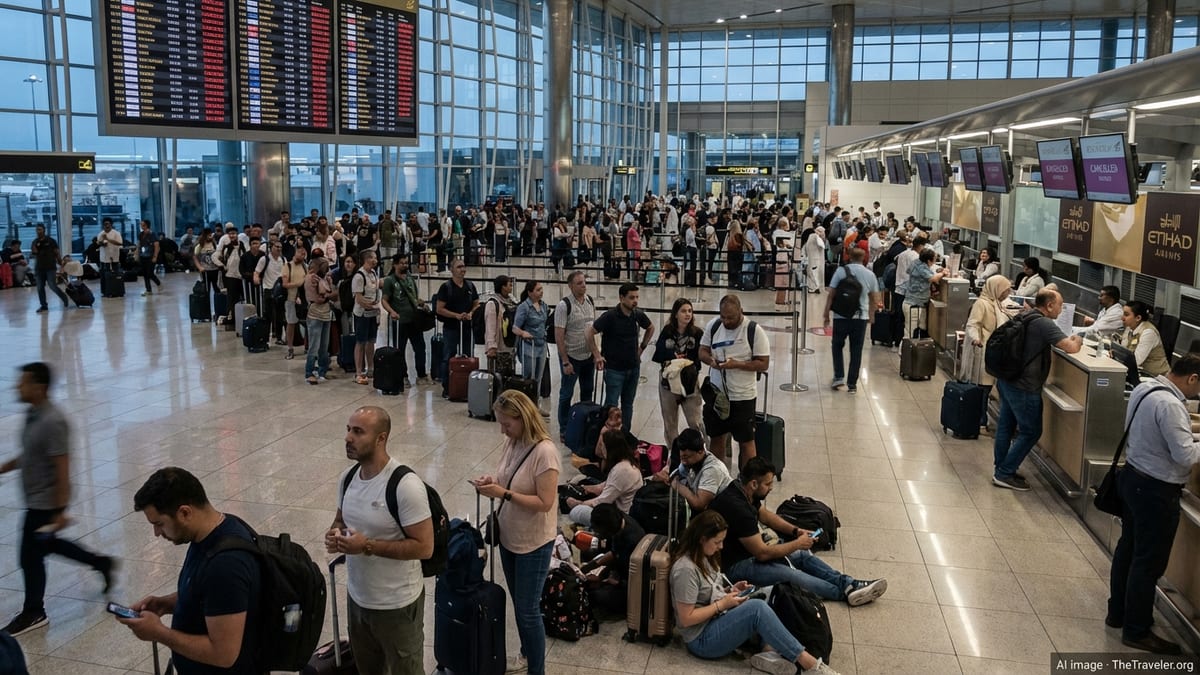
For spectators planning trips around Gulf races, the UK travel warning serves as a signal to prepare more carefully and to accept a higher degree of uncertainty. Practical guidance from governments and consular services emphasises the importance of flexible bookings, comprehensive travel insurance that clearly covers conflict-related disruption, and close monitoring of airline announcements and local news in the days before departure. Travellers are advised to factor in the possibility of sudden airspace closures or temporary restrictions on cross-border routes, as seen when regional tensions have previously led to short-notice adjustments in flight paths and land connections.
Published government advice on Bahrain also calls out restrictions on photography and filming, especially around protests, security checkpoints, military installations and sensitive infrastructure such as oil facilities. Visitors, including motorsport fans, are warned that sharing images of security incidents or demonstrations on social media can carry legal consequences. This is particularly relevant for spectators who may instinctively document their trips on their phones, from journeys to and from the circuit to time spent in city centres.
Safety information from consular and travel-advice services further recommends that visitors avoid discussing local politics in public, respect tightly enforced laws around criticism of the monarchy and government, and stay clear of any gatherings that might be interpreted as political expression. For those still considering trips should F1 or other series return to Bahrain itself in future seasons, these practical considerations now sit alongside routine travel planning such as booking hotels close to official shuttle routes or arranging local transport to out-of-town circuits.
Abu Dhabi and Qatar Remain Under Watchful Eyes
While Bahrain has drawn particular attention because of the UK advice and the relocation of its 2026 Grand Prix, other Gulf F1 hosts are also under scrutiny. Qatar’s Lusail International Circuit is scheduled to stage a late-season race from 27 to 29 November, and Abu Dhabi’s Yas Marina Circuit is due to close out the championship from 4 to 6 December. Both venues have featured in extensive reporting on migrant labour conditions, freedom of expression and restrictions affecting visiting media and activists, especially around major sporting events.
Publicly available travel advice for Qatar and the United Arab Emirates has not shifted as sharply in recent weeks as it has for Bahrain, but governments and risk consultancies continue to monitor regional dynamics closely. Travellers heading to these races are encouraged to stay alert to any future updates, particularly if tensions linked to the Iran conflict intensify or if there are new incidents affecting regional airspace and energy infrastructure.
For tour operators, airlines and hotel groups that market packages around Gulf races, the evolving map of advisories and race relocations underlines the need to build contingency plans into itineraries. Refundable tickets, clear terms on postponements and established communication channels with clients are becoming central to how motorsport travel is sold. For fans, the message emerging from recent UK guidance and wider reporting is that attending headline events in the Gulf can still be possible, but requires a more measured approach to risk, flexibility and on-the-ground behaviour than in previous seasons.