


More news on this day
Fresh attention on the United Kingdom’s travel advice for Gulf states is casting a shadow over Formula 1 race weekends in Bahrain and Saudi Arabia, as fans weigh security alerts, strict local laws and long running human rights controversies against the appeal of night races in the desert.
Get the latest news straight to your inbox!
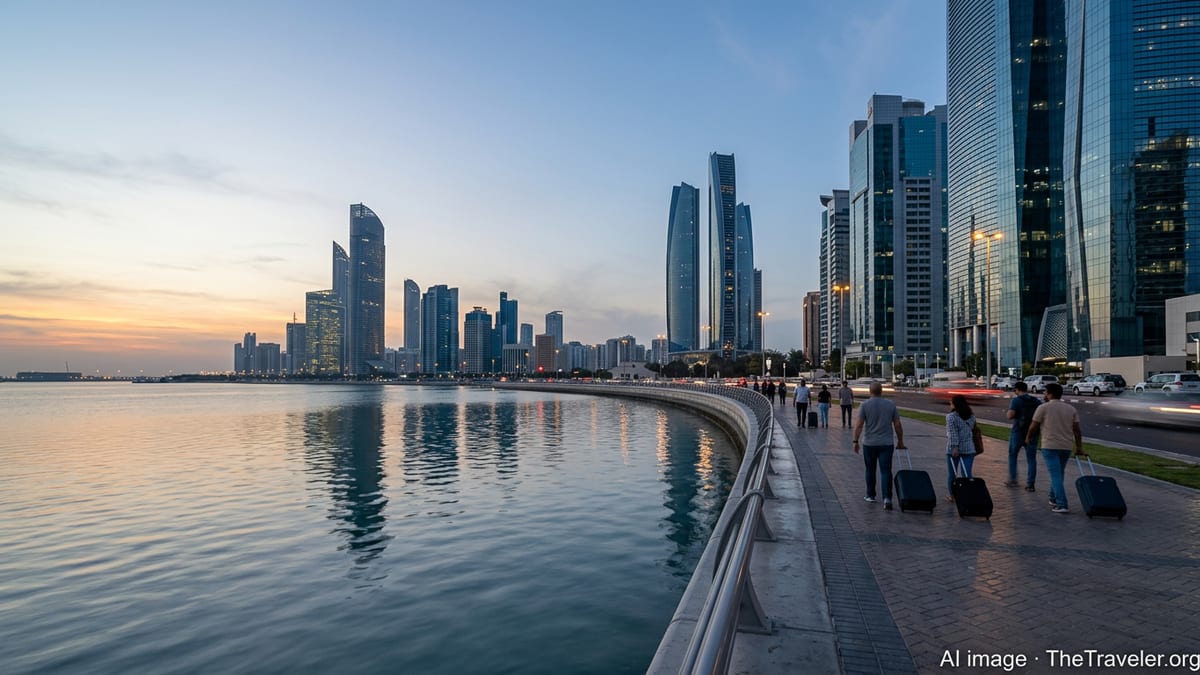
Heightened scrutiny as Gulf races anchor F1 calendar
The Gulf region has become a mainstay of the Formula 1 world championship, with Bahrain and Saudi Arabia both hosting races in the early part of the season and Abu Dhabi again scheduled to stage the finale. The 2025 calendar confirmed Bahrain’s Grand Prix at the Bahrain International Circuit in Sakhir on 13 April, followed a week later by the Saudi Arabian Grand Prix in Jeddah, underlining the sport’s commercial and strategic commitment to the region.
Against that backdrop, UK Foreign, Commonwealth and Development Office (FCDO) travel advice for Bahrain and Saudi Arabia is drawing renewed interest from British fans considering trips to the races. The guidance, updated regularly on the UK government’s travel advice pages, highlights the possibility of protests around sensitive dates in Bahrain and advises visitors to avoid demonstrations, which can begin with little warning. It also notes that criticism of the Bahraini government or monarchy, including online, can lead to legal consequences.
For Saudi Arabia, the UK government’s public travel advice stresses a very different risk profile, pointing to strict enforcement of drug laws, far reaching cybercrime and counter extremism legislation, and limitations on public assembly. The advice draws attention to the possibility of prison sentences and heavy fines for conduct that visitors from the United Kingdom might not expect to be criminalised, from social media posts to behaviour judged to offend religious or cultural norms.
The result is that travel planning for F1 weekends in the Gulf increasingly involves more than booking flights and grandstand tickets. Fans are being encouraged, through public guidance, to consider legal exposure, restrictions on protest and expression, and the potential for security operations around high profile events that attract international attention.
Legal risks and limits on expression for visiting fans
Publicly available UK government advice for Bahrain underlines that laws on expression and assembly are significantly more restrictive than in the United Kingdom. The safety and security section notes that demonstrations and commemorations do occur and can lead to a visible security presence. It also warns that criticism of the government or royal family, as well as some online activity, can result in detention or prosecution, and that foreigners are not exempt from these laws.
Human rights organisations have, for more than a decade, linked these legal frameworks directly to the Bahrain Grand Prix. Groups such as the Bahrain Institute for Rights and Democracy and Americans for Democracy and Human Rights in Bahrain have documented cases where individuals were arrested or prosecuted after criticising the race or attempting to stage peaceful protests around the circuit. A joint letter published in early 2024 by a coalition of organisations recounted earlier instances, including the conviction of a Bahraini activist in 2017 after posts on social media critical of the Grand Prix.
Similar concerns surround travel to Saudi Arabia’s Jeddah race, where the FCDO advice highlights extensive cybercrime legislation and warns that online activity considered offensive, including social media commentary, can be treated as a criminal matter. For visiting fans, this creates a complex environment in which wearing slogans, posting comments about local politics, or sharing images of protests could carry legal risks far greater than at European or North American races.
Travel specialists monitoring government advisories note that these legal warnings do not single out motorsport spectators, but the concentration of foreign visitors for race weekends makes the Grand Prix a focal point. Fans are being urged, via public guidance and NGO briefings, to familiarise themselves with local law well before arrival, particularly if they plan to carry banners, wear campaign clothing or comment online about the host country.
Human rights criticism and accusations of sportswashing
Beyond immediate safety considerations, the Gulf races have become a flashpoint in a wider debate about sport and human rights. Rights groups have long argued that Bahrain and Saudi Arabia use high profile events, including Formula 1, to project a modernising image that distracts from allegations of repression at home, a practice widely referred to as sportswashing.
The Bahrain Grand Prix, first held in 2004 and cancelled once in 2011 amid unrest before returning in 2012, has been central to this argument. Reports from organisations such as the Bahrain Institute for Rights and Democracy, Human Rights Watch and others describe a pattern in which the race weekend coincides with tighter controls on dissent, arrests of protesters and clampdowns in surrounding villages. Parliamentary evidence submitted in the United Kingdom in 2024 cited cases in which individuals protesting near the Bahrain International Circuit were detained despite previous assurances that peaceful expression would be respected.
Campaigners have also focused on Formula 1’s own human rights commitments. In recent years, a coalition of more than twenty organisations has publicly requested disclosure of human rights clauses in contracts between Formula 1 and host nations, after senior figures in the sport indicated that such provisions exist and could allow withdrawal if conditions deteriorate. Open letters published ahead of recent Bahrain and Saudi Arabian rounds contend that the continued expansion of Gulf races sits uneasily with the sport’s stated values.
For travelling fans, the human rights debate may feel distant from the grandstands, but it can directly affect the atmosphere around a race. Local activists sometimes call for boycotts, while international rights groups publish guidance for visitors on how to avoid inadvertently putting themselves or local contacts at risk. The tension between a festival of motorsport and a contested political backdrop is increasingly difficult to ignore.
Security operations, protest risk and event logistics
On the ground, security arrangements at Gulf races are extensive. While specific operational details are not published, media coverage and rights reporting describe large deployments of security forces on access roads to the Bahrain International Circuit and around the Jeddah Corniche street track on race weekends. The stated goal is to keep traffic flowing and prevent disruption, but rights advocates argue that these deployments also discourage visible protest.
The UK government’s Bahrain travel advice notes that protests may be met with a firm response and advises visitors to leave the area immediately if they encounter any demonstration. It stresses that even peaceful gatherings can be dispersed and that foreigners could be caught up if they are nearby. Similar cautionary language appears in the Saudi Arabia advice, which urges visitors to avoid political or religious gatherings and reminds them that the threshold for what constitutes an unlawful assembly is very different from that in the United Kingdom.
From a practical travel perspective, this means racegoers are encouraged to build extra time into journeys to and from the tracks, monitor local news and official announcements, and follow any directions given by event stewards once inside the venue. Transport plans are generally robust, with shuttle buses and organised parking, but road closures or checkpoints outside the immediate circuit area can cause delays.
Accommodation costs are another factor for visiting fans. In Manama and Jeddah, hotel rates typically rise during Grand Prix periods, and some properties impose minimum stay requirements. While many UK travellers continue to attend, specialist travel agencies now combine race ticket packages with advice on navigating local rules, taking their cue from publicly available government guidance and independent reporting.
Balancing appetite for live F1 with evolving risk calculus
Despite the UK travel warnings and sustained criticism from rights organisations, demand for Gulf race tickets remains strong. Bahrain markets its Grand Prix as a season highlight, pointing to night racing, support categories and off track entertainment, while Saudi Arabia continues to promote the Jeddah event as part of a wider programme aimed at opening the country to tourism and entertainment.
For British fans, the decision to travel is increasingly framed as a personal risk assessment rather than a straightforward leisure choice. The FCDO has not advised against travel to Bahrain or Saudi Arabia for the purpose of attending sporting events in general, but its written guidance makes clear that visitors are subject to local law and should not expect the same protections or freedoms they enjoy at home.
Travel industry observers suggest that, for now, most committed Formula 1 followers are willing to accept tighter rules and a more controlled environment in exchange for access to front row seats at some of the sport’s most visually striking venues. At the same time, the prominence of UK travel warnings and parliamentary debate over sportswashing indicate that scrutiny of the Gulf races is likely to intensify rather than fade in coming seasons.
As Formula 1 looks ahead to another series of night races in the Gulf, the intersection of tourism, human rights and international diplomacy is becoming a central storyline. For travellers weighing a trip from the United Kingdom, understanding that broader context has become as essential as checking the race schedule.