


More news on this day
Canada has strengthened its travel warnings for Israel, Iran and a broad swath of the Middle East, advising Canadians to reconsider or avoid travel to 15 countries and territories as regional tensions, missile threats and airspace disruptions continue to unsettle the region.
Get the latest news straight to your inbox!
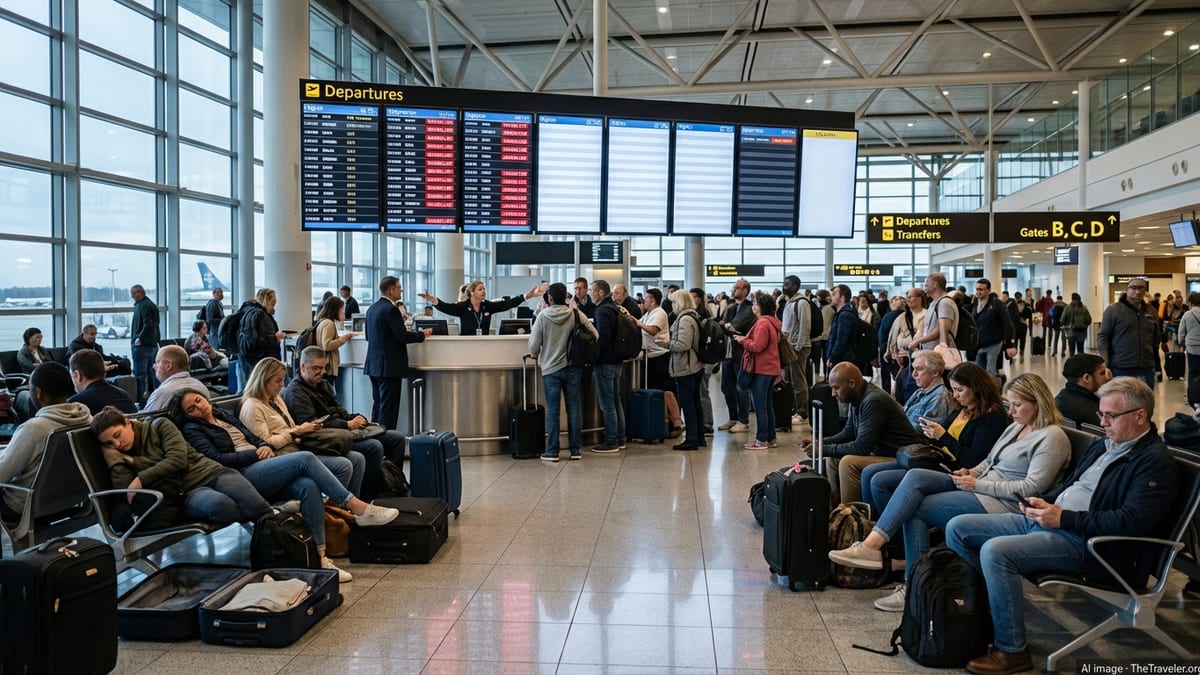
Ottawa Updates Risk Levels Across a Volatile Region
Publicly available information on Canada’s official travel advisory portal shows heightened alerts now cover Israel, Iran, Saudi Arabia, the United Arab Emirates, Qatar, Jordan, Syria, Iraq, Lebanon, the Palestinian territories, Kuwait, Oman, Bahrain and Yemen. The changes form part of a mid year update that reflects the impact of the recent Iran war and ongoing security incidents across the Middle East.
The advisory database indicates that Iran, Iraq and Yemen are listed at the highest warning level, with guidance to avoid all travel because of armed conflict, terrorism and instability. Syria and parts of Lebanon are also under strict warnings, reflecting the risk of cross border fire and the presence of armed groups.
Israel and the Palestinian territories are categorized under an avoid non essential travel notice with regional warnings, acknowledging persistent security incidents, rocket fire and the legacy of large scale military operations. The advisory differentiates between regions, highlighting areas near borders and conflict zones as particularly exposed.
Gulf states including Saudi Arabia, the United Arab Emirates, Qatar, Kuwait, Bahrain and Oman are generally assessed at a lower tier, typically framed as exercise a high degree of caution. However, the current guidance notes that their airspace and critical infrastructure have been targeted or threatened in the wider confrontation involving Iran, prompting Ottawa to keep an elevated level of concern for Canadian travellers.
Security Concerns Rooted in the 2026 Iran Conflict
The revised Canadian guidance follows months of hostilities that began in late February between Iran on one side and the United States and Israel on the other, a conflict that spilled across borders and drew in multiple Middle Eastern states. Open source reporting and specialist briefings describe large scale missile and drone barrages against Saudi Arabia, the United Arab Emirates, Qatar, Jordan, Iraq, Syria, Lebanon and Yemen, as well as suspected strikes on facilities used by foreign militaries.
Analyses compiled by international security think tanks suggest that some Gulf countries expended significant stocks of air defense munitions during repeated interceptions of Iranian projectiles. In several cases, airports temporarily suspended flights and airspace was closed, causing cascading disruption to regional and long haul routes that connect Europe, North America and Asia.
Although ceasefires are now reported to be in place between Iran, Israel and several neighboring countries, Global Affairs Canada continues to factor in the possibility of renewed hostilities, as well as the presence of unexploded ordnance, damaged infrastructure and intermittent attacks carried out by non state actors. The advisory stresses that security conditions can deteriorate with little notice and that commercial flight patterns may again be affected during any new flare up.
Canada’s broad warning across the region mirrors the cautious approach taken by other governments and insurers, which have kept elevated risk assessments for civil aviation and overflight near conflict zones. For travellers, this translates into potential last minute itinerary changes, rerouting and higher insurance scrutiny for trips touching Middle Eastern gateways.
Country by Country: How the Warnings Differ
While the headline is a sweeping regional alert, Canada’s system applies different levels to individual destinations. According to the advisory listings, Iran, Iraq and Yemen fall under avoid all travel because of active conflict, frequent attacks and limited consular access. These destinations are presented as unsuitable for tourism and most forms of business travel.
Israel and the broader label Israel and the Palestinian territories are designated avoid non essential travel, with specific areas near Gaza, parts of the West Bank and border regions effectively treated as no go zones. The language reflects persistent risks from rockets, artillery and airstrikes as well as sudden movement restrictions and local states of emergency.
Lebanon, Syria and parts of Jordan are described as highly sensitive because of their proximity to front lines and the presence of heavily armed factions. Canada’s advisory stresses that border areas with Syria and Iraq in particular can be volatile, with sporadic cross border fire and checkpoints that disrupt ground movements.
In contrast, Gulf states such as Saudi Arabia, the United Arab Emirates, Qatar, Kuwait, Bahrain and Oman are described under a more moderate but still elevated classification. Travellers are urged to exercise a high degree of caution due to the potential for missile or drone threats, the presence of foreign military assets and the possibility that regional disputes could again spill into attacks on energy and transport infrastructure.
Impact on Airlines, Tour Operators and Travellers
The expanded advisory is already shaping how airlines, tour operators and individual travellers approach the region. Industry bulletins show that carriers have repeatedly adjusted routings to avoid higher risk airspace over Iran, Iraq and parts of Syria, while maintaining services to major hubs in the Gulf where airspace has reopened under closer monitoring.
Specialist risk consultancies report that corporate travel managers are reviewing itineraries involving Israel, Jordan, Saudi Arabia, the United Arab Emirates and Qatar, building in contingency plans for rapid evacuation or rerouting. Many companies now require additional approvals for staff travel to Lebanon, Iraq and border zones, reflecting the stricter language used in Canada’s and other countries’ advisories.
For leisure travellers, the new Canadian guidance may lead to deferrals or destination switches, particularly for those considering combined itineraries including Israel, Jordan and Gulf stopovers. Some tour operators have focused on destinations assessed as comparatively stable, such as certain coastal areas and desert resorts, while keeping flexible booking policies in case advisories tighten further.
Insurance providers are also watching the Canadian updates closely. Policies commonly exclude coverage for destinations under avoid all travel advisories, and some underwriters have extended these exclusions to nearby regions where conflict related disruptions are considered likely. Travellers are being encouraged to check whether their plans are affected before departure, as changes in advisory levels can alter coverage.
Advice for Canadians Considering Middle East Travel
The latest advisory emphasizes preparation and flexibility for anyone who decides to travel despite the heightened warnings. Global Affairs Canada recommends that Canadians register their presence abroad through its consular registration service, allowing officials to share updates about security conditions and evacuation options if needed.
Public guidance also underscores the importance of closely following local news and transportation notices, particularly regarding airport operations, curfews and restrictions on movement near sensitive sites. Travellers are encouraged to keep itineraries flexible, maintain spare time for connections and ensure that passports and emergency funds are easily accessible.
Analysts note that while some parts of the Middle East remain open to tourism and business travel, the regional picture is fluid. Even in countries where day to day life has largely resumed, airspace closures or regional escalations can quickly alter the risk landscape. The Canadian advisory signals that Ottawa expects this volatility to persist for some time.
Canadians planning trips involving Israel, Iran, Saudi Arabia, the United Arab Emirates, Qatar, Jordan, Syria, Iraq, Lebanon, the Palestinian territories, Kuwait, Oman, Bahrain or Yemen are therefore being urged to monitor the official advisory site frequently, consult airlines and tour providers about contingency plans and assess whether their journey is essential in the current environment.