


More news on this day
From the red rock spires of Utah’s Valley of the Gods to a wind carved scoria pit above North Dakota’s Badlands, a new wave of dispersed and minimally developed campgrounds is redefining what unforgettable outdoor stays look like across the United States.
Get the latest news straight to your inbox!
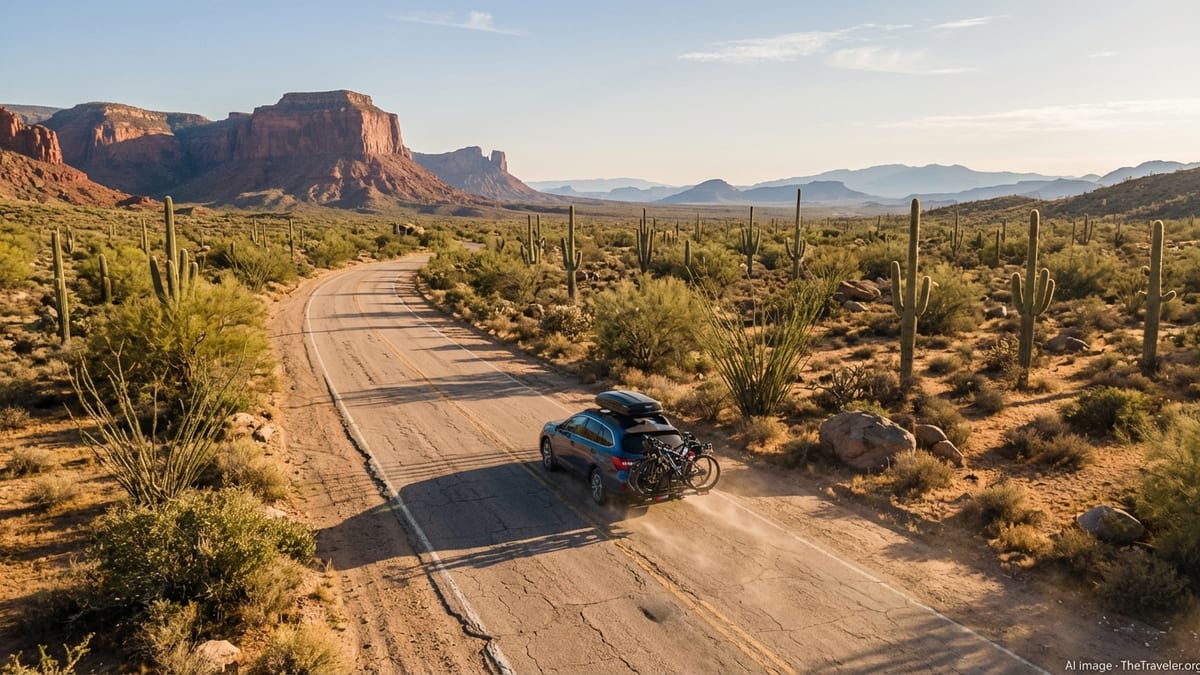
Valley of the Gods Rises as a High Desert Icon
Valley of the Gods in southeastern Utah has long been known among road trippers as a quieter alternative to nearby Monument Valley, with sandstone buttes and pinnacles lining a 17 mile unpaved loop road across public land. Recent trip reports and updated federal recreation materials indicate that the area remains open to free dispersed camping at previously disturbed sites, drawing travelers who want expansive views without campground infrastructure.
The landscape sits on land managed by the Bureau of Land Management near Mexican Hat, with access typically recommended for high clearance vehicles when conditions are wet. Scenic pullouts double as primitive campsites, and there are no services, water points or developed restrooms, which places it firmly in the “bring everything, pack everything out” category popular with self sufficient van campers and overlanders.
Online camping platforms show Valley of the Gods trending as a top rated stop on long distance itineraries through Bears Ears country, as visitors search for less crowded alternatives to national park campgrounds that often book out months in advance. Publicly available information emphasizes that campfires are restricted or prohibited at times, and that travelers are expected to stay in existing sites to protect fragile desert soils and cryptobiotic crusts.
Seasonal conditions are increasingly shaping how campers plan their visits. Crowdsourced trip reports from spring and fall highlight mild temperatures and clear skies, while summer visits frequently carry warnings about extreme heat, limited shade and the need to arrive with ample water and emergency supplies.
Scoria Pit and the Allure of Badlands Boondocking
Far to the north, a rugged site known informally as Scoria Pit outside Medora, North Dakota, has emerged in traveler discussions as one of the state’s most striking unofficial camping areas. The site takes its name from the rust colored volcanic rock historically quarried across the region, which gives nearby backroads and hillsides a distinctive red hue.
Public trip logs and forum discussions describe Scoria Pit as a broad, open bench above the Little Missouri Badlands, where campers park on firm gravel or compacted scoria with wide views over buttes and grasslands. There is no formal campground infrastructure, and visitors typically rely on satellite navigation and local knowledge to reach the site via unpaved roads that may become difficult in wet weather.
The pit’s growing reputation reflects a broader shift toward dispersed camping on public and mixed use lands in the northern Great Plains. Travelers report pairing nights at Scoria Pit with day visits into Theodore Roosevelt National Park or Medora’s historic attractions, using the free site as a base camp that offers stargazing, relative solitude and panoramic sunrises without campground fees.
As with many informal destinations popularized through user generated maps and social media, access conditions can change with weather, maintenance and land management decisions. Road quality, temporary closures and evolving rules about overnight stays are key variables that experienced visitors recommend checking shortly before arrival.
Dispersed Camping Demand Reshapes Western Public Lands
The rising profiles of Valley of the Gods and Scoria Pit are part of a wider pattern that public agencies and private camping platforms have documented over the past several seasons. Industry reports point to millions of new campers entering the market in recent years, with many seeking out free or low cost sites away from dense crowds and full hookup RV parks.
Bureau of Land Management planning documents for Utah and other western states show a surge in dispersed camping along scenic byways and near gateway communities. In response, land managers are rolling out projects that convert some heavily used pullouts into designated camp areas, while closing or restoring others to limit erosion, vegetation loss and wildfire risks.
New campground development efforts near high demand corridors illustrate how quickly recreation use has grown. Environmental assessments in Utah describe proposals for additional small campgrounds, new trailheads and designated dispersed sites designed to concentrate use where facilities and patrols can support it, while steering visitors away from sensitive habitat or archaeological areas.
At the same time, recent fire seasons and temporary closures in portions of canyon country and high desert backcountry underscore the volatility of planning trips solely around remote locations. Travelers focusing on dispersed camping are increasingly encouraged by public information campaigns to monitor regional fire updates, air quality alerts and seasonal access notices in the weeks leading up to departure.
What Makes These Campsites Stand Out to Modern Travelers
Campers gravitating to Valley of the Gods, Scoria Pit and similar destinations consistently highlight a shared set of qualities: open horizons, minimal development and a feeling of being deeply embedded in the landscape rather than parked in a row of numbered pads. Unlike traditional campgrounds with reservation systems and dense amenities, these sites rely on personal preparation and a degree of self regulation among visitors.
Online reviews frequently reference sunrise and sunset views as defining features. In Utah, the first light catching isolated sandstone towers creates shifting shadows across the desert floor, while in North Dakota the low sun draws out bands of red and gold across badland ridges and mixed grass prairie. Clear night skies, with limited artificial light, are another recurring draw for astrophotographers and casual stargazers alike.
The absence of formal facilities is both a benefit and a challenge. Travelers who plan carefully see it as an opportunity to camp closer to natural features and enjoy quieter nights, but incident reports and advisory notices from land managers point to ongoing issues with illegal fire rings, trash dumping and damage to fragile soils where visitors stray from existing tracks.
Leave No Trace principles have become a central theme in guidance aimed at dispersed campers. Education materials distributed online and on site stress packing out all waste, avoiding new fire pits, camping at least a short distance from water sources and respecting private land boundaries, which are often interwoven with public parcels across the West.
Planning an Unforgettable but Low Impact Stay
For travelers interested in experiencing Valley of the Gods, Scoria Pit or comparable undeveloped locales, current guidance emphasizes preparation, flexibility and respect for land use rules. Recent seasons have shown that conditions can shift quickly, with storms turning tracks into mud, high winds sweeping across exposed benches and sudden fire restrictions altering cooking options.
Trip planners are encouraged to bring paper maps or offline navigation, extra water and fuel, and backup plans that include nearby developed campgrounds in case dispersed sites are overcrowded or temporarily restricted. Checking current notices from land management agencies shortly before departure can clarify which pullouts are open to overnight use and whether special permits or seasonal fire bans apply.
As more travelers share images and coordinates of their favorite wild camps, destination communities are also paying close attention to the economic and environmental effects. Nearby towns often benefit from increased spending on supplies, dining and guiding services, while local and federal agencies weigh that growth against the need to protect viewsheds, wildlife corridors and cultural sites.
For now, places such as Valley of the Gods and Scoria Pit exemplify the kind of dramatic, lightly touched landscapes that many campers seek in 2026. Their continued appeal is likely to depend on both thoughtful management and visitor willingness to treat each stay as a privilege that must be earned with careful planning and a light footprint on the land.