


More news on this day
Travelers in Mexico seeking to visit the United States may soon find a quicker route to the interview window. A new paid fast-track option for US tourist and business visa appointments, centered on a proposed 750 dollar premium fee, is emerging as a pilot program that could significantly change how long visitors wait for B1/B2 visa interview slots, especially in high-demand Mexican consulates.
Get the latest news straight to your inbox!
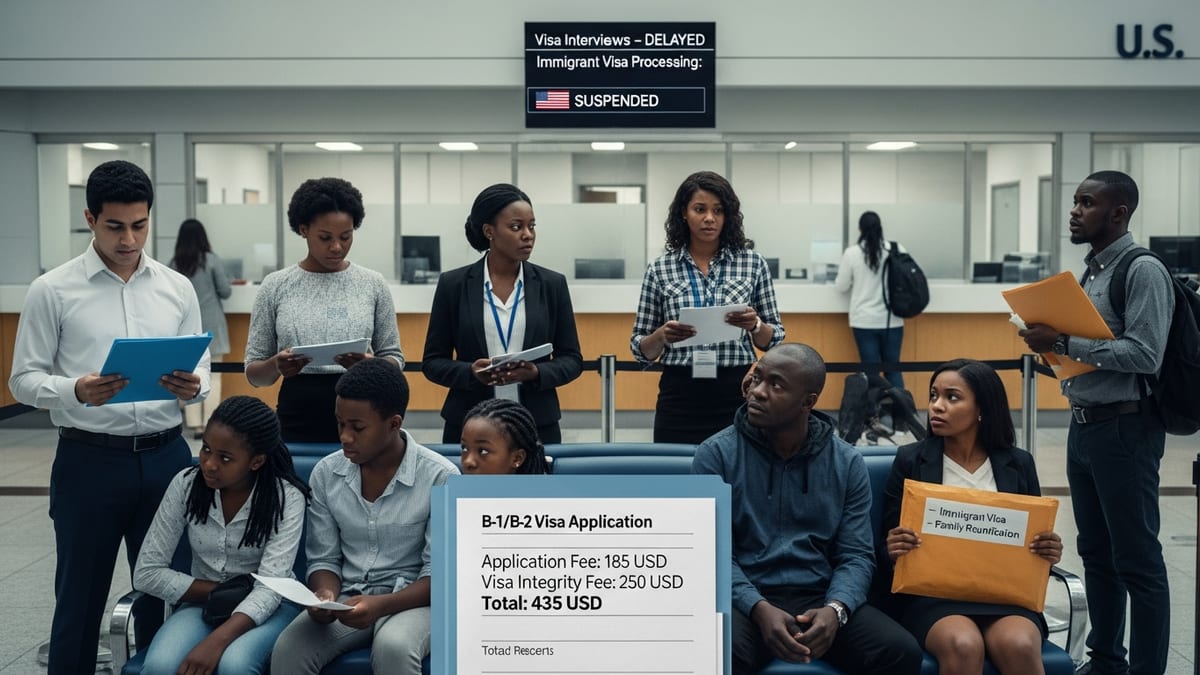
How the New Paid Fast-Track Option Works
According to published notices and subsequent coverage, the initiative is structured as an optional premium service layered on top of the standard nonimmigrant visa application process. The proposal focuses on B1/B2 visas, the category used by most tourists and short-term business travelers from Mexico and other countries who require visas to enter the United States.
The core of the pilot is an additional fee of about 750 dollars that would give eligible applicants access to an expedited in-person interview appointment. This premium payment is separate from, and in addition to, the regular machine-readable visa fee that all applicants already pay. Public descriptions indicate that the fast-track fee buys earlier interview dates in consular appointment systems that have been strained by demand and backlogs.
Importantly, the premium option does not change the underlying legal standards or security checks involved in issuing a US visa. The fast-track service is described as a scheduling mechanism only, meaning it can reduce the time between filing an application and attending an interview but does not accelerate consular review after that interview takes place.
Reports on the proposal emphasize that the program is being rolled out as a time-limited pilot, with a defined test window in the second half of 2026. Feedback from applicants and operational data from posts participating in the pilot are expected to shape any decision on making the service permanent or expanding it to additional locations.
Specific Impact on US Visa Applicants in Mexico
Public information indicates that US posts in Mexico are among the consulates identified for inclusion in the fast-track pilot, reflecting the heavy volume of cross-border travel and continuing demand for B1/B2 visas. Mexico is consistently one of the largest sources of US visitor visa applications, and appointment backlogs at some consulates have periodically stretched for months.
For Mexican residents and third-country nationals applying in Mexico, the new option could mean access to interview dates that are weeks or even months sooner than standard calendar availability. Travelers planning family visits, shopping trips, cruises departing from US ports, or onward travel via US hubs are watching the rollout closely, as appointment timing can determine whether travel plans are viable.
The pilot also intersects with broader policy changes around movement between the two countries. While Mexico grants many tourists up to 180 days of stay on arrival, US visa processing has remained a bottleneck for those who need a visa before boarding a northbound flight or approaching a land border crossing. Any tool that clears appointment queues more quickly is likely to draw strong interest from frequent cross-border travelers.
Observers note that Mexico already participates in programs that aim to streamline trusted travel in the opposite direction, including initiatives that support faster processing for pre-vetted US and Mexican nationals at Mexican airports. The new US fast-track fee, however, is focused not on border inspection itself but on the consular interview that must be completed weeks or months beforehand.
Costs, Limits and What the Fee Does Not Cover
Travel industry coverage highlights that the 750 dollar premium will be a substantial additional cost for many applicants, particularly those traveling on tight leisure budgets from Mexico’s interior states. The fee is described as strictly optional, with regular appointment slots and standard processing remaining available to those who choose not to pay extra.
Crucially, the fast-track service does not guarantee that a visa will be issued. Public summaries of the program stress that applicants who pay the premium fee are buying access to an earlier interview date, not purchasing a visa itself. Consular officers retain the same discretion as in any other B1/B2 case, and standard eligibility criteria, documentation requirements, and security checks continue to apply.
The new option also does not appear to alter the length of the interview, the depth of questioning, or the range of possible outcomes. Applicants can still be approved, refused, or asked to supply additional documentation, and they may still experience post-interview administrative processing if their case requires further review. The premium fee is not refundable if a visa is refused.
Consumer advocates and travel commentators are raising questions about transparency around appointment availability and how much time, on average, the fast-track option is likely to save across different consular posts. Prospective applicants in Mexico are being advised to compare the cost of the fee against the financial impact of postponing or canceling trips if only regular appointment dates are used.
Reactions From Travelers, Industry and Policy Analysts
Early reaction from travelers and immigration-focused online communities has been mixed. Some users posting from Mexico and other high-demand countries welcome the idea of a formal premium queue, seeing it as a practical way to anchor urgent travel plans around more predictable interview slots. They point out that business travelers and families coordinating around school holidays may decide that paying for faster access is preferable to enduring months-long waits.
Others argue that the premium fee risks creating a two-tiered system that favors better-off applicants and leaves low and middle income travelers facing longer waits in the standard queue. Critics describe the proposal as placing a price on time in a way that could deepen existing inequalities in cross-border mobility, particularly in regions where the US consulate is already difficult or expensive to reach.
Within the travel industry, tour operators and airlines that serve routes between Mexican cities and US destinations are watching closely. Faster appointment access for some customers could help stabilize booking patterns for group tours, conferences and package vacations that depend on reliable visa issuance timelines, even if the fee itself cuts into individual travelers’ budgets.
Policy analysts note that the pilot reflects a broader global trend toward monetizing speed in visa and immigration systems, from priority services in Europe and Asia to trusted traveler lanes at airports. The US move, they say, extends this logic to tourist visas in a prominent cross-border market, setting up a real-world test of how much travelers are willing to pay to reclaim lost time.
Practical Advice for Tourists Planning from Mexico
Travel planners in Mexico are advising would-be US visitors to track official consular information closely as the pilot launches, since implementation details can vary by location and over time. Before deciding whether to pay the premium fee, applicants are encouraged to check current wait times for regular B1/B2 appointments at the consulate where they intend to apply.
Prospective travelers are also being reminded that the core steps of the visa process remain unchanged. Applicants must still complete the online form, pay the standard application fee, and prepare for an in-person interview with documentation that demonstrates ties to Mexico and the purpose of the trip. The fast-track option comes into play only after those initial requirements are met.
For many families, the decision may come down to how tightly travel is tied to specific dates. Travelers heading to fixed events in the United States, such as weddings, medical appointments, concerts or sporting fixtures, may find that a dramatically earlier interview date justifies the extra cost. Those with more flexible plans, or who are unsure whether they will ultimately travel, may opt to remain in the standard queue.
As the pilot unfolds, data on usage rates in Mexico and other participating countries will offer a clearer picture of whether a high-priced premium lane can meaningfully ease pressure on regular appointment calendars, or whether it simply reshuffles demand among different categories of travelers seeking access to the United States.