


More news on this day
A major Houthi missile strike on Riyadh’s King Khalid International Airport on Thursday has killed at least three people and injured dozens more, prompting a swift tightening of Western travel advisories for Saudi Arabia and renewed questions over the safety of air travel through the kingdom’s capital.
Get the latest news straight to your inbox!
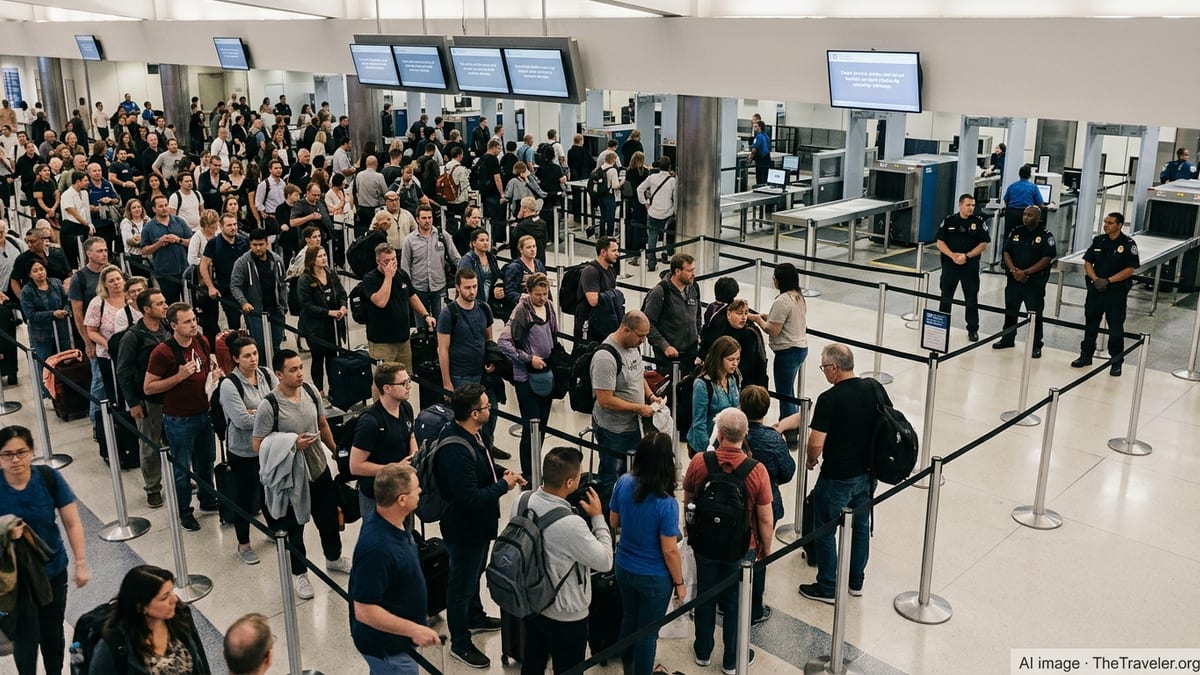
Deadly strike hits key gateway to Saudi Arabia
Published reports describe a ballistic missile attack on King Khalid International Airport on October 8 that struck airport facilities and damaged at least one aircraft on the ground. Saudi civil aviation authorities have confirmed that three Saudi nationals were killed in the incident and that additional passengers and airport workers were injured as debris fell across parts of the terminal area.
Coverage from regional and international outlets indicates that the attack temporarily halted operations at the airport, one of the busiest aviation hubs in the Middle East and the main gateway for international visitors to Riyadh. Images and video shared on social media and carried by broadcasters showed smoke rising from the airfield and emergency vehicles surrounding damaged areas of the terminal complex.
The Houthi movement based in Yemen has publicly claimed responsibility for the strike, describing it as part of a broader campaign against Saudi targets. In the past decade the group has repeatedly used drones and missiles against Saudi infrastructure, including previous attacks directed at Riyadh’s airport and at facilities in the southwest of the country.
Air traffic tracking data cited by travel and aviation media show that flights into Riyadh experienced cancellations and diversions in the hours after the incident, with some services rerouted to Jeddah and other regional airports while safety checks were carried out. By Friday, operations had largely resumed, but with intermittent delays as airlines adjusted schedules and inspected aircraft.
Western governments tighten travel advice for Saudi Arabia
In the immediate aftermath of the Riyadh airport strike, a number of Western governments moved to tighten existing travel warnings for Saudi Arabia. Updated guidance from the United States on September 15 already placed the country at Level 3, advising travelers to reconsider travel because of the risk of missile and drone attacks, terrorism, and regional tensions. Following the attack, additional alerts focused specifically on the capital’s main airport and surrounding airspace.
The United Kingdom’s Foreign, Commonwealth and Development Office recently expanded its Saudi Arabia advice to cover a wider geographic area, now advising against all but essential travel not only near the Yemen border but also across Riyadh province itself. The latest revisions, published in early October, underline a heightened threat from Houthi missile and drone launches targeting airports, military sites, ports, and energy infrastructure in multiple cities including Riyadh, Jeddah, Abha, Jizan, Najran, Taif, and Yanbu.
Other European governments, including France and Germany, have issued similar language cautioning against nonessential travel to parts of the kingdom after a series of strikes on airports in both the capital and the southwest. Public advisories highlight the danger from both direct impacts and falling debris from intercepted drones and missiles, noting that attacks can occur with little or no warning.
For travelers, these changes mean that insurance coverage, corporate travel approvals, and tour operations involving Saudi Arabia may be subject to stricter review. Some policies automatically become void if a destination is under a formal “do not travel” or “reconsider travel” notice from the traveler’s home government, making it essential to check the latest advisory level before departure.
What the attack means for air travel through Riyadh
King Khalid International Airport is a growing transit hub, connecting Europe, Asia, Africa, and the Gulf. The latest strike comes after months in which aviation authorities and airlines have monitored escalating missile and drone activity linked to the Yemen conflict and wider regional tensions. Previous Houthi statements have singled out Saudi airports as potential targets, and international aviation regulators have already flagged the airspace around the kingdom as higher risk.
Publicly available information from the United States Federal Aviation Administration and other regulators notes a long standing concern about the danger to civil aviation from long range missiles and unmanned aircraft launched from Yemen. While the majority of hostile projectiles aimed at Saudi territory are intercepted before reaching their targets, debris from successful interceptions can still threaten aircraft and airport facilities, particularly during takeoff and landing.
After the latest strike, airlines serving Riyadh have adopted a cautious stance. Industry monitoring suggests that carriers have temporarily adjusted flight timings to avoid peak periods of military activity, and some have rerouted aircraft through alternative hubs when possible. Travel industry coverage also reports intermittent suspensions of departures and arrivals in Riyadh as security alerts are issued and then lifted.
Travelers with imminent itineraries through King Khalid International Airport are being advised by airlines and tour operators to monitor booking apps and email notifications closely, as same day schedule changes remain a possibility. In some cases, carriers are reportedly allowing free rebooking or refunds for passengers who prefer to avoid transiting through Riyadh in the short term, although policies vary between airlines and fare types.
Guidance for travelers planning trips to or through Saudi Arabia
For those already booked to fly to or via Riyadh, the primary recommendation from official travel advisories is to remain alert to developments and prepared for disruption. Travelers are encouraged to register with their embassy or consulate where such services exist, to enable the rapid receipt of security alerts related to airports, missile or drone activity, or sudden changes in exit and entry conditions.
Checking both airline guidance and government travel advisories on the day of travel is particularly important while the security situation remains fluid. Public advice from Western foreign ministries stresses the need to confirm flight status before leaving for the airport and to be aware that airspace closures or diversions may be implemented at short notice if new launches are detected.
On arrival in Saudi Arabia, travelers are urged to follow local safety instructions in the event of missile or drone warnings. Government guidance from several countries states that during an alert individuals should move indoors, stay away from windows, and seek shelter in solid structures until authorities announce that the immediate danger has passed. Many airports and major hotels have established procedures for sheltering guests and staff during such incidents.
Those considering future leisure or business travel to Saudi Arabia may want to review whether their plans involve extended time in areas now covered by stricter Western advisories, including Riyadh province and cities closer to the Yemen border. Tour operators and corporate travel planners are increasingly factoring these alerts into route selection, hotel choices, and contingency planning for evacuations or rapid itinerary changes.
Insurance, bookings, and the outlook for Saudi tourism
The Riyadh airport strike comes at a sensitive moment for Saudi Arabia’s tourism ambitions, as the kingdom continues to promote new destinations and events under its national development strategy. Prior to the latest incident, large scale investments in resorts, cultural projects, and sporting events had encouraged a growing number of international visitors to transit through Riyadh’s expanding airport.
However, the combination of missile attacks and tougher Western travel advisories may affect traveler confidence in the near term. Travel insurance brokers indicate that underwriters are closely assessing the evolving security picture in Saudi Arabia, particularly for policies covering flight disruptions, medical evacuation, and trip cancellation linked to acts of war or terrorism.
Prospective visitors are being advised to study policy wording carefully to understand whether incidents like the Riyadh airport strike would be covered. In some cases, specialized “high risk destination” policies may be required for travelers whose itineraries concentrate in provinces now subject to “all but essential travel” or “do not travel” guidance.
Looking ahead, much will depend on whether further attacks occur and how effectively Saudi authorities are perceived to be protecting critical infrastructure, including airports. If the latest strike proves to be part of a sustained campaign against Riyadh, tour operators and airlines may increasingly favor routings through alternative Gulf hubs, at least until the regional security situation stabilizes and travel warnings begin to ease.