


More news on this day
Canada is urging its citizens and air operators to stay out of key parts of Saudi Arabian airspace and avoid major airports including Riyadh, Jeddah and Dammam, following a series of missile and drone attacks that have killed travelers, damaged infrastructure and left flight schedules in disarray across the kingdom.
Get the latest news straight to your inbox!
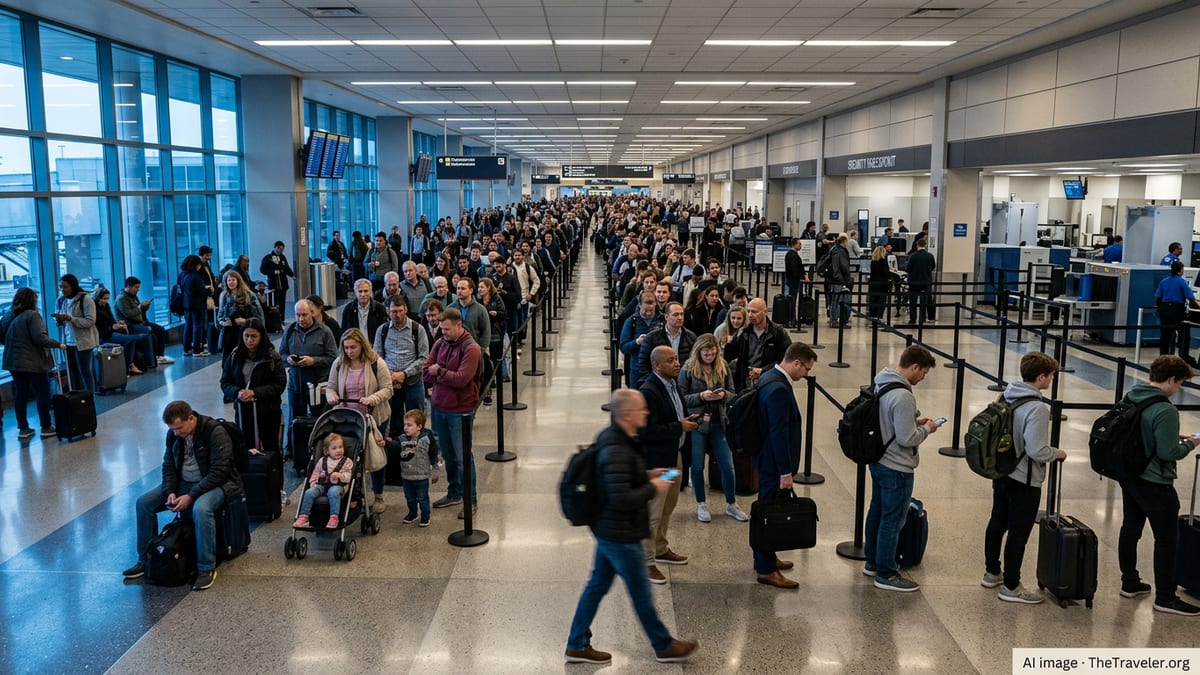
Escalating attacks target Saudi aviation hubs
Publicly available incident reports show that Saudi Arabia’s aviation system has come under sustained attack since early October 2026, with Yemeni Houthi forces claiming responsibility for multiple missile and drone strikes on civilian airports and associated infrastructure. The October attacks followed months of renewed hostilities spilling across the Yemen–Saudi border and into central and eastern regions of the kingdom.
Coverage by international media and regional monitoring groups indicates that Riyadh’s King Khalid International Airport has been hit hardest, with one large-scale strike on October 10 killing at least a dozen people and injuring hundreds more inside the terminal complex and on the airfield. Subsequent attacks and intercepts have scattered debris over runways and access roads, forcing prolonged closures and ad hoc diversions of long haul traffic to other Gulf gateways.
Monitoring sites that track conflict-related airspace risks report that attacks have not been confined to the capital. Facilities serving Jeddah on the Red Sea coast and the eastern city of Dammam have also experienced disruption, either from direct strikes on nearby infrastructure or from air defense activity in the vicinity of major flight paths. Operators are being warned that the risk includes both deliberate targeting and collateral damage from falling debris during intercepts.
The pattern of incidents has prompted several governments to reassess the safety of air travel in and out of Saudi Arabia, placing particular emphasis on large hubs that concentrate international passengers in exposed terminal and apron areas.
Canada tightens travel and airspace guidance
The Government of Canada’s official travel advisory for Saudi Arabia was revised in mid October to highlight what it describes as a volatile and deteriorating security environment. The advisory now urges Canadians to avoid non essential travel to the kingdom overall and draws special attention to the heightened threat around airports that have been repeatedly mentioned in reports of recent attacks.
According to the federal travel advice portal, Canadian travelers are being cautioned against using King Khalid International Airport in Riyadh and advised to reconsider itineraries that involve transiting through Jeddah’s King Abdulaziz International Airport or Dammam’s King Fahd International Airport. The guidance reflects both the direct physical risk posed by strikes and the knock-on impact of sudden closures, diversions and lengthy delays that can leave passengers stranded without onward connections.
Separate notices aimed at Canadian-registered air operators recommend avoiding the Jeddah Flight Information Region altogether due to the presence of military activity, drones, missiles and active air defense systems. Industry-oriented summaries of global airspace risks record an October 2026 Canadian notice advising that commercial operators should not enter this portion of Saudi-controlled airspace at any altitude while the current conflict conditions persist.
While the wording of the Canadian advisory stops short of a blanket prohibition, the combined effect of the guidance for individual travelers and carriers is to strongly discourage Canadian-linked traffic from routing through Saudi Arabia’s busiest airports until the threat profile changes.
International airlines reroute as flight disruptions widen
Information published by aviation tracking services and airline schedule aggregators shows that major carriers are rapidly adjusting their networks in response to the attacks and the flurry of government warnings. Some international airlines have temporarily suspended services to Riyadh, while others have shifted long haul flights to alternative hubs in the Gulf, including Doha, Abu Dhabi and Dubai, in an effort to maintain connectivity between Europe, Asia and Africa without exposing passengers and crews to Saudi airspace.
Reports from passengers and aviation analysts describe days of rolling disruptions as airports close at short notice for security sweeps or to repair damaged infrastructure. Flights bound for Riyadh have been diverted to Dammam or to airports outside Saudi Arabia, while services into Jeddah and Medina have encountered intermittent ground delays linked to air defense activity along the Red Sea corridor.
These operational challenges have translated into practical complications for travelers who previously relied on Saudi hubs as a convenient bridge between continents. Missed connections, unexpected overnight stays and difficulties rebooking on already crowded alternative routes are now recurring themes in public accounts from passengers attempting to reach destinations in the Gulf and beyond.
For airlines, the need to reroute around designated risk zones in Saudi airspace increases flight times and fuel costs on some trunk routes. Industry briefings suggest that carriers are weighing these financial pressures against legal and reputational risks if they continue to operate through areas that multiple governments have flagged as unsafe.
What the advisory means for Canadian travelers
For Canadians planning trips that involve Saudi Arabia, the latest guidance has immediate implications for both leisure and business travel. Publicly available information from consular services emphasizes that the government’s risk assessment may affect the level of assistance officials are able to provide in the event of an incident, particularly if Canadians choose to enter areas subject to strong cautions.
Travel insurance is another critical consideration. Many policies issued in Canada contain clauses that limit coverage when a traveler enters a country or region under an official advisory against non essential travel or when the trip involves transit through locations that are the subject of specific safety warnings. Travelers who ignore those advisories can find that medical, evacuation or trip interruption benefits are reduced or excluded, even if an incident is not directly related to conflict.
Canadians already in Saudi Arabia are being encouraged through public channels to register with federal consular services, closely monitor updates from their airlines and keep flexible contingency plans in place in case further airport closures or airspace restrictions make it difficult to leave on short notice. Those with critical travel needs, including family emergencies, are advised to consider alternative routings through neighboring states where airports are currently operating under normal security postures.
Students, temporary workers and dual nationals who routinely travel in and out of Saudi Arabia face added complexity, as the deteriorating security environment may affect visa processing, employer travel policies and the availability of direct flights to Canada and Europe. In such cases, published guidance stresses the importance of confirming entry and exit options well before any planned departure.
Regional security backdrop and outlook for air travel
The Canadian warnings are part of a broader international response to the flare up of hostilities around Saudi Arabia. Updated advisories from several Western and Asia-Pacific governments now classify at least parts of the country as unsuitable for tourism and non essential trips, often singling out the airspace around Riyadh and the southern regions bordering Yemen as areas of particular concern.
Risk assessments compiled by independent aviation safety platforms point to two large zones of elevated danger within Saudi airspace, one along the Red Sea corridor encompassing the approaches to Jeddah and another spanning central and eastern areas that include Riyadh and its oil-producing hinterland. Within these zones, civil flights face a higher probability of exposure to missile activity, drone operations and active air defense batteries.
Looking ahead, analysts following the conflict caution that the trajectory of air travel in and out of Saudi Arabia will depend on both the intensity of further attacks and the willingness of international carriers to accept residual risk. A sustained campaign of strikes against airports or near misses involving civilian aircraft would likely prompt even stricter government guidance and deeper schedule cuts.
For now, the message to Canadian travelers is clear: avoid routing through Saudi Arabia’s primary aviation gateways whenever possible, and if travel cannot be deferred or rerouted, minimize time spent at airports, maintain situational awareness and stay prepared for rapid changes to flight plans as the security situation evolves.