


More news on this day
Canadians heading to France this summer are being urged to build forest fire risks into their travel plans, as Canadian and European agencies flag an unusually intense early wildfire season in southern France and along parts of the Mediterranean coast.
Get the latest news straight to your inbox!
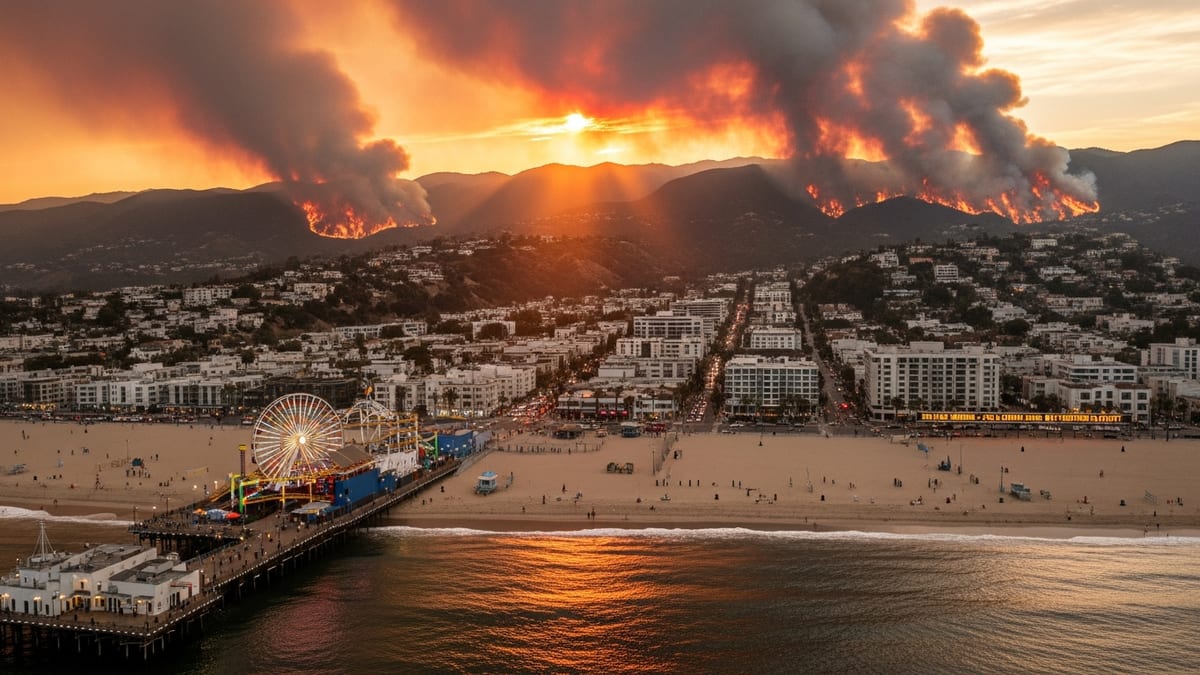
Travel advisory highlights seasonal wildfire hazards
Updated Canadian travel advice for France in early July notes that forest and scrubland fires are a recurring summer hazard, particularly in the south of the country and on Corsica. Publicly available information on Travel.gc.ca describes a high degree of caution advisory for France and warns that wildfires can lead to sudden road closures, evacuations and transport disruption during peak holiday months.
The advisory follows a broader effort by Canadian authorities this year to underline climate and security risks facing citizens abroad. General summer guidance from Global Affairs Canada encourages travellers to review destination-specific alerts more frequently, download emergency contact details before departure and monitor local news once in Europe, reflecting lessons learned from recent years of fast-moving wildfire seasons.
Canadian wildfire information services have also been expanded for 2026, with federal agencies stressing that Canadians are increasingly encountering fire-related disruptions both at home and overseas. That message is shaping how officials frame outbound travel advice, including for popular European destinations such as France, Italy, Spain and Greece, where heat and drought are lengthening traditional fire seasons.
Southern France faces early and intense fire season
French and European reporting indicates that southern France has entered the 2026 fire season earlier and more aggressively than in many recent years. In the Pyrénées-Orientales department near the Spanish border, major summer blazes have prompted large evacuations, closed key roads and put pressure on firefighting resources just as international tourism ramps up.
Coverage in French media notes that more than 10,000 people have been forced to leave campsites and holiday homes in parts of the region as flames advanced through forest and scrub. Analysts at France’s national research institutes describe the season’s opening as unprecedented in the last two decades in terms of burnt area so early in July, underscoring a trend toward hotter, drier conditions in the Mediterranean fringe.
Elsewhere in southern France, including parts of Occitanie and Provence, local authorities have periodically closed forest massifs, restricted hiking access and banned outdoor fires when conditions reach critical thresholds. For visitors, that can mean last-minute changes to coastal road trips, vineyard stays or hiking plans, even when popular urban centres remain unaffected.
Tour de France disruption underscores wider tourism impact
The fire threat moved squarely into the travel spotlight this week when a large blaze burning roughly 60 to 70 kilometres from the Pyrenean town of Les Angles led Tour de France organisers to bar spectators from the finale of the race’s third stage. According to international sports coverage, the decision was described as an exceptional measure intended to free up emergency resources and limit the number of people in an at-risk mountain zone.
Fans were asked not to travel to the finish area in French territory, and the promotional caravan that normally precedes the riders was suspended on the final portion of the stage. While the race itself continued under adapted conditions, the move highlighted how quickly fire conditions can reshape major events that draw tens of thousands of foreign visitors.
Travel industry observers note that cycling tourism around the Tour, as well as road trips and camping holidays that follow stages through the south of France, can be disrupted when authorities modify routes or close public access points at short notice. Similar constraints could emerge elsewhere along the Mediterranean coast if large fires break out near coastal resorts or national parks during the high season.
What Canadian travellers should expect on the ground
For Canadian holidaymakers, the changing fire picture in France does not amount to advice against travel, but it does call for a more flexible approach to itineraries in affected regions. Public guidance from both Canadian and French services suggests that visitors should be prepared for temporary closures of forested areas, coastal walking paths and some rural roads during high-risk periods.
Travellers heading to the south of France, Corsica or inland mountain areas are being encouraged, through open-source advisories, to check daily fire risk maps, respect access restrictions and avoid activities that could inadvertently spark fires, such as barbecues or cigarette disposal in dry areas. Accommodation providers in regions accustomed to summer blazes increasingly share local alert information and evacuation procedures with guests at check in.
Those with tickets to large outdoor events, including concerts, festivals or sporting fixtures in at-risk departments, are also being advised to watch for schedule changes or crowd restrictions. The Tour de France decision is viewed by analysts as a sign that organisers across sectors are more willing to curtail public access to reduce strain on emergency services when fire danger spikes.
Planning strategies for a changing summer climate
Canadian travel planners point out that the combination of extreme heat and forest fire risk now forms a recurring backdrop to summer in parts of southern Europe. Reports from European Union institutions describe 2025 as another record year for wildfire damage across the bloc and note ongoing efforts to strengthen prevention, early warning and cross-border firefighting capacity ahead of the 2026 season.
In practical terms, that means trips to France in July and August may increasingly require backup plans and a focus on travel insurance that covers disruption from natural hazards. Travel commentators recommend considering more time in northern or Atlantic regions of France, building in flexible rail-based segments that can be rerouted if a particular corridor is affected, and favouring accommodations with clear cancellation policies.
For many Canadians, the allure of French culture, food and landscapes remains strong, and bookings to cities such as Paris, Lyon and Bordeaux continue to track near pre-pandemic levels according to industry snapshots. The emerging message from Canadian and European public information sources is less about avoiding France and more about adapting to a new normal in which wildfires are a recognized part of the summer travel landscape and preparation is as essential as passports and plane tickets.