


More news on this day
After a fourteen year absence, the historic Northlander passenger rail service is poised to return to Northern Ontario in 2026, with new trains, rebuilt stations, and a promise to reconnect remote communities to Toronto and each other.
Get the latest news straight to your inbox!
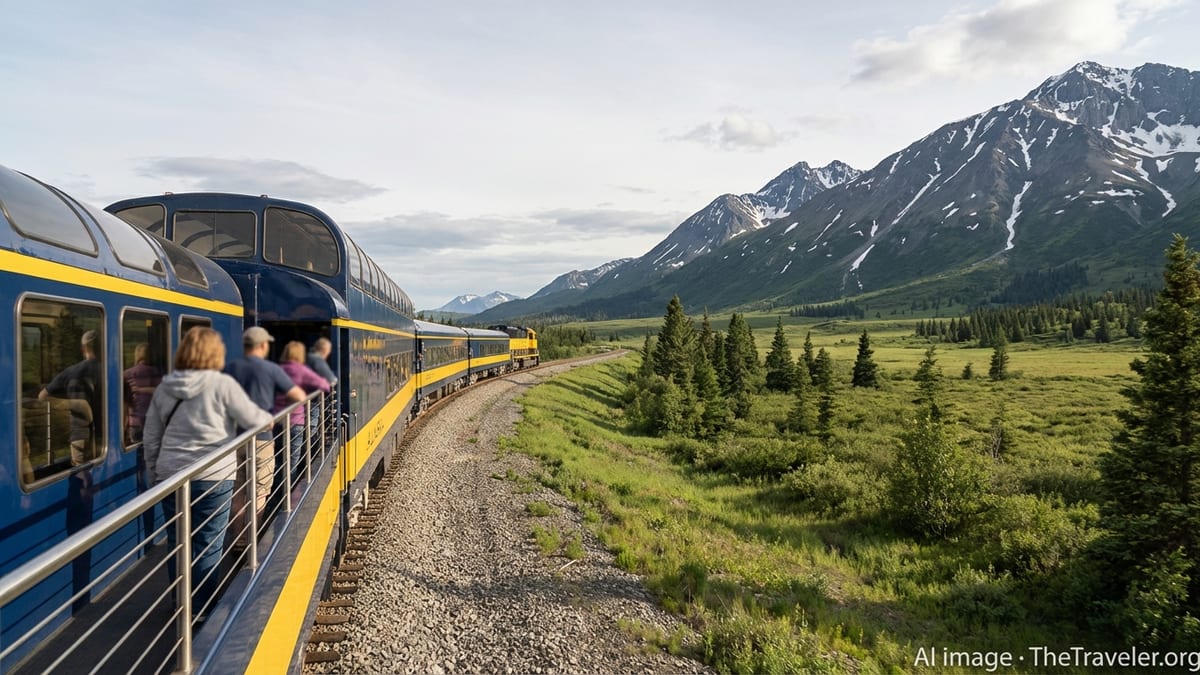
A New Era for a Historic Northern Rail Link
The Northlander once provided a vital rail connection between Toronto and Northeastern Ontario before service was discontinued in 2012 as part of a wider restructuring of provincial transport services. Publicly available information shows that its reinstatement has been a multi year undertaking involving new rolling stock, infrastructure upgrades, and regulatory approvals.
According to provincial business planning documents and Ontario Northland project updates, the target for reinstating passenger operations is spring 2026, with further public communications in early 2026 pointing to service resuming later in the year as testing and crew training advance. The revived corridor is planned to connect Toronto’s Union Station with Timmins, with a bus link to Cochrane, restoring a north south spine that many communities lost more than a decade ago.
Reports indicate that the new Northlander will differ significantly from the train that last ran in 2012. New Siemens built Venture trainsets and Charger locomotives are being introduced, with designs promoted as more accessible, more efficient, and better suited to contemporary passenger expectations for comfort, safety, and on board amenities.
Once in service, the Northlander is expected to offer several round trips per week, with detailed timetables still being finalized. A proposed schedule released for consultation in early 2026 outlines overnight departures from Timmins and daytime arrivals in Toronto, as well as corresponding northbound departures from Toronto that arrive in Northern Ontario the following morning.
Reconnecting Key Communities Along the Northlander Corridor
The restoration of Northlander service is particularly significant for a chain of communities stretching from Toronto through Muskoka and into Northeastern Ontario. Proposed service outlines and planning reports describe a route serving communities such as Timmins, Matheson, Kirkland Lake, Englehart, Temiskaming Shores, Temagami, North Bay, and smaller stops in cottage country before reaching the Greater Toronto Area.
For many of these communities, especially in the northeast, passenger rail has been absent since 2012. Intercity coach lines, regional flights, and long highway drives on Highway 11 have filled the gap, but regional advocates have long argued that these options do not fully match the accessibility, reliability, or comfort of rail. The reinstated Northlander is being positioned as an additional layer in the transport mix, increasing travel choices rather than replacing existing services.
Station updates illustrate how the line is being reshaped for twenty first century use. Publicly available information from Ontario Northland indicates that new or upgraded heated passenger shelters are being built or planned in communities including Gravenhurst, Bracebridge, Temiskaming Shores, and Matheson, while a new Timmins Porcupine station is under construction to anchor northern operations. Existing infrastructure in North Bay and other key hubs is being renovated to integrate rail with motor coach and parcel services.
The project has also intersected with local heritage concerns. Coverage from Northern Ontario news outlets describes how community advocacy in Matheson helped preserve a century old station building while allowing work on a modern shelter and rail facilities to continue nearby, reflecting a broader attempt to balance preservation with renewed transport investment.
Infrastructure Investments Reshaping Northern Ontario Rail
The scale of the Northlander’s return extends well beyond new trains and station platforms. According to provincial announcements and Ontario Northland updates, the government has committed more than one hundred million dollars in recent years to rail infrastructure tied to the project, including bridges, track improvements, signaling, and yard upgrades.
In 2025 and early 2026, a series of milestones signaled progress toward the 2026 relaunch. One major development involved the completion of the North Bay Rail Bypass, described in regional business reporting as a crucial segment designed to improve reliability and reduce freight passenger conflicts around North Bay. Another important step was the arrival of the first Northlander trainset in Ontario in late 2025, followed by testing, crew familiarization, and trial operations.
In March 2026, provincial news releases and Ontario Northland communications confirmed the acquisition of approximately 205 kilometres of railway between North Bay and Washago from a freight operator. This purchase secures long term control over a critical stretch of the route and is presented as a way to prioritize passenger operations while maintaining freight service with revenues directed back into the provincial rail agency.
Track work, bridge rehabilitation, and siding improvements along the Newmarket Subdivision and other connected lines continue through 2025 and 2026. Environmental and technical reports emphasize that the aim is to support higher reliability and smoother operations once full passenger service begins, while also preparing the corridor for possible future increases in frequency or capacity.
Transforming Mobility, Tourism, and Economic Connectivity
Analysts, local officials, and community advocates quoted across regional coverage frame the Northlander’s return as more than a nostalgic revival. For Northern Ontario communities that are distant from major airports and face long, weather sensitive drives, rail offers a different profile of access to Toronto for health care, education, business, and cultural travel.
Tourism agencies in the region have highlighted the potential for new visitor itineraries connecting Toronto with cottage country, the Temagami wilderness area, and Northern communities such as Timmins and Kirkland Lake. Rail based travel is often marketed as a lower stress alternative to driving and as a way to reach communities without renting a car, which could expand access for international visitors and younger travelers.
Economic development discussions also emphasize freight and labour market impacts. With the province now owning and upgrading key stretches of track, some observers suggest that improved rail infrastructure could make it easier for industries such as mining, forestry, and manufacturing to move workers and goods within the region. The reestablished passenger service is also expected to support downtown revitalization efforts around upgraded stations, encouraging new businesses catering to travelers.
At the same time, commentary in transportation focused publications notes that the revived service will need to demonstrate reliability and competitive travel times to win riders in a region that has grown used to driving and flying. The Revenue Service Demonstration phase announced in April 2026, involving test runs with staff and simulated passenger operations, is presented as a key step in validating schedules, training crews, and refining customer facing details such as onboard services and fare structures.
Balancing Ambition, Expectations, and Future Expansion
Public discussion around the Northlander’s return reflects high expectations but also practical questions. Some communities in the northern Greater Toronto Area and central Ontario have expressed concern about being left out of the initial station list, while online forums and local coverage feature debates about departure times, travel duration, and connections to other transport services.
Provincial planning documents and Ontario Northland reports describe the current project as a foundational phase, focused on re establishing a core service between Toronto and Timmins with bus connections to Cochrane. However, background materials and public commentary leave open the possibility that stops, schedules, and even route extensions could be revisited once the service has matured and ridership patterns are better understood.
Observers of Canadian passenger rail policy note that the Northlander relaunch is being closely watched beyond Northern Ontario. Its use of modern equipment, provincially owned infrastructure, and a corridor that blends long distance travel with regional connectivity could offer a template for other provinces considering rail restorations or expansions, particularly where existing freight lines still link underserved communities.
As test runs accelerate through 2026 and final operating approvals are secured, travelers across Northern Ontario are being encouraged through public communications and media coverage to prepare for the return of a train many regarded as central to the region’s identity. Fourteen years after the last Northlander rolled out of service, its planned comeback signals a renewed commitment to rail as a tool for connecting people, places, and economic opportunities across Canada’s vast northern landscape.