


More news on this day
Mexican boxing star Canelo Alvarez has arrived in Riyadh for his October 31 world title bout against Christian Mbilli, even as the United States government urges travelers to reconsider trips to Saudi Arabia following a series of deadly attacks on the kingdom’s airports.
Get the latest news straight to your inbox!
Early arrival in Riyadh sets the tone for fight week
Published coverage indicates that Alvarez landed in the Saudi capital on Sunday, October 25, touching down at King Khalid International Airport six days before his WBC super middleweight title challenge. Reports from boxing outlets describe the four-division champion as arriving ahead of the official “grand arrivals” schedule, signaling a determination to keep preparations on track despite mounting security concerns around the event.
The bout, headlining the “Mexico vs the World” card in Riyadh on Thursday, October 31, is one of the flagship attractions of the current Riyadh Season entertainment program. The fight marks Alvarez’s bid to reclaim a version of the super middleweight crown after his 2025 loss to Terence Crawford, with Canada-based titleholder Christian Mbilli traveling in as champion.
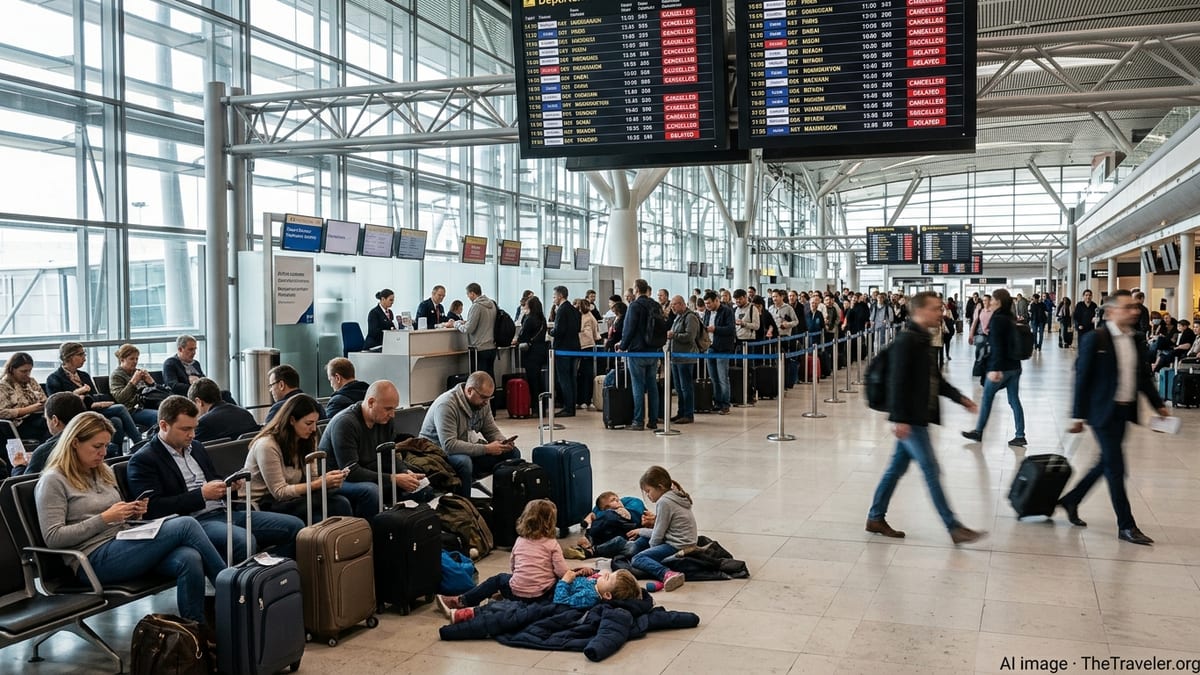
Local reports describe international traffic at King Khalid International Airport resuming only recently, after operations were disrupted by earlier strikes on the facility. With fighters, trainers and broadcast crews now converging on the city, the airport’s status has become a central issue in how safely visitors can reach the event.
Social media posts and boxing media coverage from Riyadh show Alvarez settling into a central city hotel and beginning light promotional duties, while his core training camp, completed in Europe, gives way to light workouts and final weight management in Saudi Arabia.
US travel warning highlights risks for visitors
Alvarez’s arrival comes just days after the US Department of State updated its advisory for Saudi Arabia, keeping the country at Level 3, Reconsider Travel, and ordering the departure of non-emergency government personnel and their families from the kingdom. The advisory, published on October 23, cites an elevated risk of missile and drone attacks against civilian targets, including airports and critical infrastructure.
According to publicly available State Department information, the updated guidance follows a series of Houthi attacks launched from Yemen against Saudi airports in October 2026, which have killed and injured travelers and airport staff and repeatedly disrupted flight schedules. The advisory notes that assaults can occur with little or no warning and stresses that further strikes may target transportation hubs and public venues.
In a separate security message, the US Mission to Saudi Arabia has instructed its own staff to seek special authorization before using any airport in the country and has circulated guidance on alternative travel options by road and rail for official movements. Although the advisories are not binding on private citizens, they are likely to influence the decisions of American tourists, media, and support personnel considering travel to Riyadh for the fight.
For leisure travelers, the higher alert level means that standard trip planning now has to include close monitoring of official advisories, flexible flight bookings, and an awareness that sudden airport closures or schedule changes remain possible during the Canelo Alvarez fight week.
Airport attacks reshape the travel picture to Riyadh
Information compiled from regional and international news outlets shows that at least three Saudi airports have been targeted in the October 2026 escalation, including Riyadh’s King Khalid International Airport and King Fahd International Airport in the kingdom’s Eastern Province. Reports describe casualties among passengers and workers and extensive damage that temporarily closed terminals and halted services.
Analyses of the attacks suggest that airspace around Riyadh has effectively become a conflict-sensitive zone, with some travelers opting to reroute through neighboring countries and complete their journeys overland. Boxing-focused coverage notes that a number of fans and members of the wider combat sports community have discussed flying into nearby hubs such as Manama and then driving several hours across the causeway and desert highways to reach the Saudi capital.
The renewed instability has had a ripple effect across the wider sports and entertainment calendar in Saudi Arabia. Alongside the Canelo Alvarez vs Christian Mbilli bout, major events such as pro wrestling shows and mixed martial arts cards are also scheduled in Riyadh in the coming weeks, making airport security and airspace safety a shared concern for thousands of international visitors.
Travel industry observers point out that while scheduled flights into King Khalid International Airport have resumed on a limited basis, airlines can still adjust or cancel services at short notice if risk assessments change. For travelers planning to attend the fight, that reality increases the importance of staying in contact with carriers and being prepared for rerouting or last-minute timetable changes.
Fight goes ahead amid security alerts and logistical changes
Despite the heightened tension, public statements and coverage from promoters and Saudi organizers indicate that the October 31 card remains on the calendar, with no change announced to the venue or date. Organizers have continued to release promotional material billing the show as a centerpiece of Riyadh’s autumn entertainment program, and undercard fighters are reported to be arriving in the country throughout the week.
Media reporting suggests that some broadcasters and production teams are adapting their plans in light of the security climate. One prominent boxing journalist has relayed that the international broadcast crew is likely to call the event remotely from a studio in London rather than working at ringside in Riyadh, a shift that reflects a more cautious approach from companies sending staff into the region.
For spectators on the ground, the fight is expected to take place inside a heavily secured arena environment, similar to other large-scale events staged recently in the kingdom. While specific security measures for the Canelo card have not been fully disclosed, attendees can typically expect multiple screening checkpoints, significant on-site policing, and controlled access routes to and from the venue.
Logistical questions remain for some members of the wider boxing ecosystem, including independent media and support personnel who do not benefit from the same level of organized transport as fighters and promoters. Decisions about whether to travel are being shaped by individual risk assessments, insurance coverage, and the ability to adjust plans quickly if the situation in Riyadh deteriorates.
What the situation means for international sports travelers
The Alvarez–Mbilli fight has quickly become a high-profile case study in how global sport intersects with fast-changing security realities and government travel guidance. For fans weighing a trip to Riyadh, the contrast is stark: a marquee boxing event in a city that is also navigating active security alerts around its main gateways.
Travel risk consultancies and security analysts tracking the region generally advise prospective visitors to closely follow official advisories from their home countries, sign up for embassy alert systems where possible, and share itineraries and contact details with trusted contacts before departure. In the case of Saudi Arabia, publicly available guidance also stresses strict local regulations around photography of airports, government buildings and sensitive sites, something that can catch first-time visitors off guard.
For airlines, tour operators and hotels linked to the Riyadh fight week, booking trends over the coming days may offer an indication of how much the US advisory and the airport attacks are affecting confidence. Some carriers have maintained services into Riyadh, while others are monitoring developments and could adjust capacity if demand drops or the risk profile worsens.
As Alvarez begins his final preparations in the Saudi capital, the narrative around his world title challenge extends well beyond the ring. The decision to proceed with the bout in the face of travel warnings places Riyadh under an intense global spotlight, not only as a stage for elite boxing but also as a test case for how international travelers, organizers, and governments respond when major events collide with rising security threats.