


More news on this day
President Ferdinand Marcos Jr. has ordered government agencies to tighten security and prepare emergency assistance for passengers who may be stranded during the Undas travel rush, as millions of Filipinos fan out across the country for the annual All Saints’ Day and All Souls’ Day break.
Get the latest news straight to your inbox!
Coordinated Push to Secure the Undas Travel Rush
Publicly available statements from Malacañang indicate that Executive Secretary Ralph Recto has instructed key departments to carry out Marcos’ directive ahead of the peak travel days surrounding November 1 and 2. The move focuses on ensuring sufficient transport capacity, stronger security in crowded areas, and ready assistance for travelers affected by delays, cancellations or severe weather.
The Department of Transportation, Department of Social Welfare and Development, Department of the Interior and Local Government and other agencies have been told to prepare specifically for heavy passenger traffic at airports, seaports and major land terminals. The order highlights the need for clear public information and special attention to vulnerable travelers such as senior citizens, persons with disabilities, pregnant women and families with young children.
Government communications describe the 2026 Undas period as one of the busiest travel windows since before the pandemic, with millions expected to leave Metro Manila and other urban centers to visit cemeteries and hometowns. The latest guidance stresses both preventive measures to avoid bottlenecks and contingency plans so that stranded passengers receive food, shelter and onward travel options when disruptions occur.
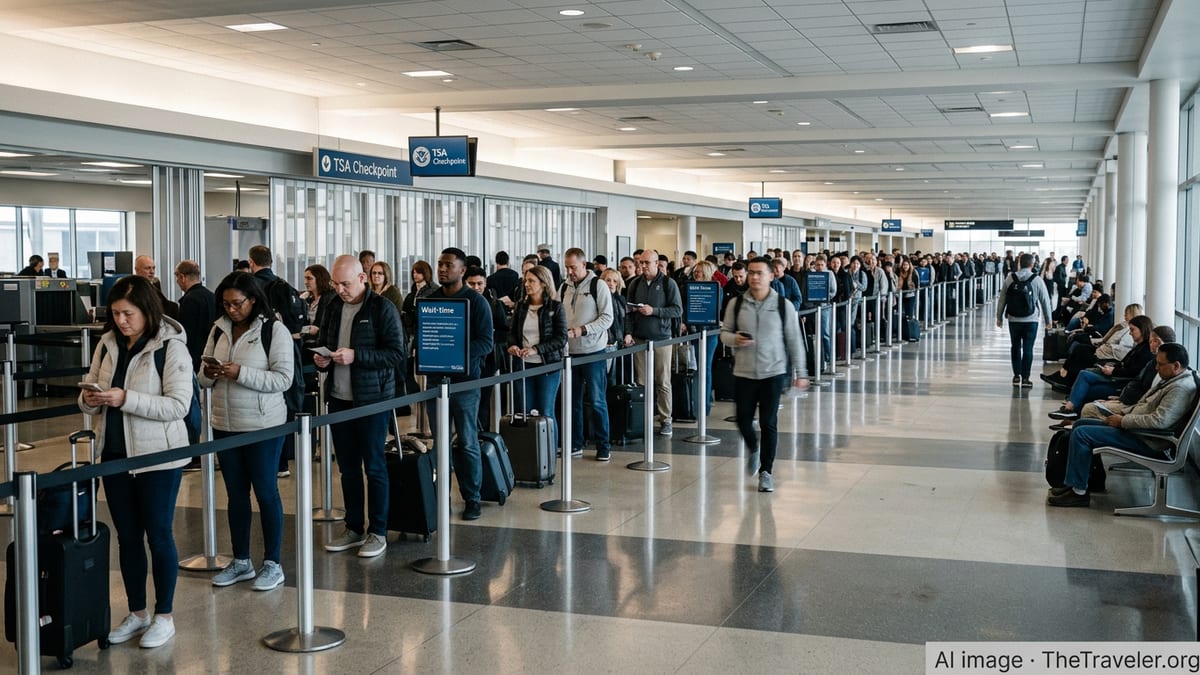
The directive comes as transport and security planners anticipate possible complications from localized bad weather, congested terminals and heavy road traffic, all of which have caused past Undas seasons to be marked by long queues and delays across the country’s transport network.
Police Visibility, Inspections and Crowd Management
Reports from law enforcement agencies show that the National Capital Region Police Office is placing its forces on full alert for Undas 2026 and deploying around 13,000 personnel across Metro Manila. The deployment covers cemeteries, churches, transport hubs and major roads where large crowds and slow-moving traffic are expected.
Security plans include intensified patrols, checkpoint operations and the use of K-9 units in key locations such as bus terminals and seaports. According to regional updates, police commands outside Metro Manila are rolling out similar measures, assigning officers to cemeteries and terminals and coordinating with local governments on visiting hours, parking controls and restrictions on items that can be brought inside burial grounds.
The Metropolitan Manila Development Authority has announced that thousands of traffic personnel will be on duty with no-day-off and no-absence arrangements during the critical days around November 1. These teams will manage chokepoints near large cemeteries and major interchange terminals, with tow trucks and ambulances pre-positioned to quickly respond to stalled vehicles or minor collisions that could trigger lengthy gridlock.
Public announcements also point to enhanced fire safety precautions. The Bureau of Fire Protection is mobilizing thousands of personnel and units nationwide, reflecting concern that crowded public spaces, roadside candle vendors and unattended homes may heighten the risk of fire incidents during the long weekend.
Backup Buses, Extra Vessels and Stricter Transport Checks
Transport-focused coverage indicates that the Philippine Coast Guard expects between 1.5 million and 2 million sea travelers during the Halloween and Undas break, with Oplan Biyaheng Ayos for sea transport scheduled from October 29 to November 3. To respond to that volume, authorities are preparing backup vessels that can be deployed to ports where passengers may be stranded because of weather, capacity constraints or operational disruptions.
The Maritime Industry Authority has announced intensified pre-Undas inspections of passenger vessels. Agency bulletins describe checks on compliance with passenger limits, lifejacket availability, crew certification and other safety requirements, particularly in ports serving heavily used short-haul routes to island provinces. Vessels that fail inspections may be barred from sailing until deficiencies are corrected, as part of efforts to prevent overcrowding and mechanical incidents at sea.
On land, information from the Land Transportation Office and Land Transportation Franchising and Regulatory Board shows that route inspections and on-site checks at major bus terminals have been stepped up under the Oplan Biyaheng Ayos umbrella. Inspectors are scrutinizing bus roadworthiness, permits and driver credentials, with defective units ordered grounded and operators reminded to honor valid tickets and minimize last-minute trip cancellations.
Authorities have also cleared additional provincial bus units through special arrangements so operators can add trips along high-demand corridors during the holiday window. Toll expressway regulators report that they will keep all toll booths open, deploy patrol vehicles and make free towing to the nearest exit available for stalled vehicles during designated Undas days, in a bid to keep traffic flowing on major northbound and southbound routes.
Hotlines, Help Desks and Aid for Stranded Passengers
In line with Marcos’ emphasis on assisting stranded travelers, the Department of Transportation has released a consolidated list of emergency hotlines for Undas 2026 under its Oplan Biyaheng Ayos campaign. Public advisories list a DOTr commuter hotline alongside contact numbers for aviation, rail, maritime and road agencies so that passengers can report issues or seek guidance in real time.
The aviation side includes dedicated numbers for the Civil Aviation Authority of the Philippines, Civil Aeronautics Board, Office for Transport Security and operators of major airports such as Ninoy Aquino International Airport and Clark. These hotlines are being promoted for reporting lost baggage, flight disruptions and terminal congestion, as well as for clarifying travel requirements and procedures.
Similar contact points exist for motorists and public transport users, including numbers for expressway operators and rail lines. The DOTr has encouraged passengers to save the most relevant numbers before they travel, particularly if they are connecting across multiple modes such as bus, ferry and air.
Help desks and public assistance centers have been set up at bus terminals, airports, seaports and train stations, according to agency announcements. Staff assigned to these desks are tasked with providing schedule information, guidance on rebooking or rerouting, and basic first aid support. The Department of Social Welfare and Development is preparing food packs, drinking water and temporary shelter assistance that can be mobilized for passengers stranded by suspended sailings, closed roads or extended flight disruptions.
Airports and Travelers Brace for Record Undas Volumes
Airport operators are also preparing for a surge in passenger traffic. Estimates cited by the Civil Aviation Authority of the Philippines suggest that around 4 million passengers could pass through CAAP-managed airports nationwide during the Undas period, while separate projections indicate that Ninoy Aquino International Airport alone may handle about 1.25 million passengers over a nine-day span.
To manage these volumes, public briefings detail plans for more visible security personnel, reinforced baggage screening and additional counters for check-in and immigration during peak hours. Medical teams and customer service staff are being assigned to high-traffic areas inside terminals to assist passengers experiencing long queues or tight connections.
Travel advisories consistently urge passengers to arrive at least two hours before domestic flights and three hours before international departures, and to factor in road traffic when planning trips to and from the airport. Airlines and airport authorities are reminding travelers to complete e-travel and other online requirements ahead of time, prepare printed or digital copies of tickets and identification, and pack items such as power banks and essential medicines in carry-on bags for easier inspection.
For both domestic and foreign travelers in the Philippines during Undas, publicly available guidance highlights the value of checking weather bulletins, monitoring official social media channels of transport agencies and airlines, and allowing generous time between connections. This year’s push for tighter security and targeted aid for stranded passengers underscores the scale of the expected exodus and the government’s effort to keep journeys as orderly and safe as possible across the archipelago.