


More news on this day
Passengers flying from Cardiff to Spain are being urged to check new EU border requirements carefully, amid warnings that incorrect paperwork or misunderstanding of new checks could see travellers facing long delays or refused entry at the border.
Get the latest news straight to your inbox!
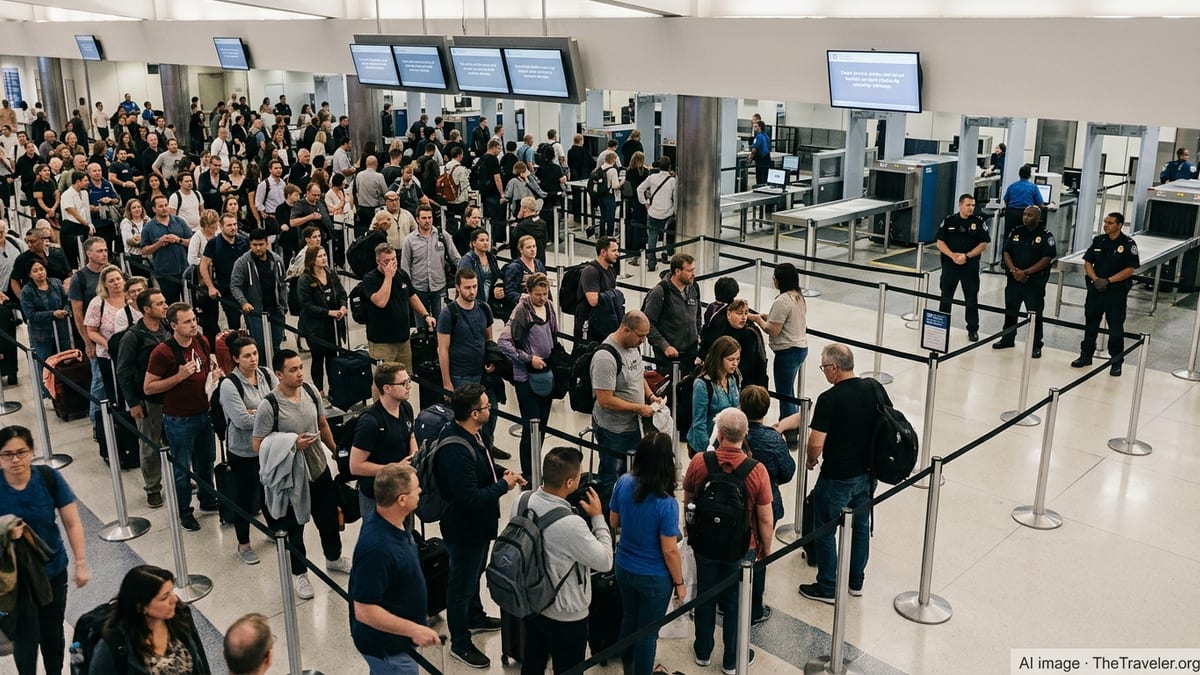
New EU border systems tighten checks for UK visitors
Spain and other Schengen countries have rolled out the European Union’s new Entry/Exit System, a biometric scheme that records non-EU travellers each time they cross the external border. The change affects UK holidaymakers, who are now treated as third-country nationals at passport control.
Under the new system, first-time registration involves taking fingerprints and a digital photograph, alongside the usual passport checks. Industry briefings indicate that this process can take several times longer than traditional stamping, especially when large numbers of passengers arrive at once on leisure routes popular with British travellers.
Reports from airports in Spain suggest that the new procedures are contributing to longer queues at border control, with some passengers missing onward connections or facing stressful waits. Travel bodies have warned that the impact is most visible at peak times, such as school holidays, when flights from UK regional airports like Cardiff arrive in quick succession.
While the new technology is designed to strengthen border security and eventually speed up processing, European transport and tourism organisations have cautioned that the bedding-in period may last many months. During this time, travellers who arrive without understanding the new requirements risk being caught out by delays or documentation problems.
Warning for Cardiff passengers: paperwork must be correct
Cardiff Airport serves a significant number of passengers heading to Spanish destinations, particularly during the summer season. Meeting minutes and publicly available briefings from the airport and local travel industry have previously highlighted cases where travellers bound for Spain were refused boarding or turned back because they did not meet entry rules.
Typical pitfalls have included insufficient passport validity, misunderstanding the 90-day limit for stays in the Schengen area, and failing to carry proof of accommodation or return travel when requested. Although airlines and airport staff carry out checks before departure, final decisions on entry are taken by border officials on arrival, meaning errors can result in a wasted trip and the expense of returning home.
The combination of stricter post-Brexit rules and the technical demands of the new Entry/Exit System has raised concern that even more passengers could face problems this summer. Travel specialists note that Spain is among the busiest Schengen destinations for British holidaymakers, increasing the likelihood of congestion at popular airports such as Málaga, Alicante and Palma de Mallorca.
Cardiff-based travellers are being advised in local media coverage and travel updates to double-check that their passports, travel dates and supporting documents comply with the rules before they leave home. Those who arrive with out-of-date passports, misjudge how long they have already spent in the Schengen zone, or cannot show evidence of their stay may be denied entry even if their flight from Wales departs as planned.
Queues, missed flights and the risk of being turned back
Across Europe, news reports describe non-EU passengers facing queues lasting several hours at some airports since the Entry/Exit System came into full effect. In high-profile cases, more than 100 travellers have missed flights after lengthy passport-control delays linked to the new procedures, particularly at busy hubs in Italy and Spain.
Airline and tourism organisations have warned that the extra time required to take fingerprints and photographs at the first registration could create bottlenecks during the summer peak. Forecasts circulated by industry groups suggest that processing times for each passenger may more than triple compared with standard passport stamping, placing pressure on terminals that were originally designed around much faster flows.
For passengers from Cardiff and other UK airports, the practical consequence is that turning up at the Spanish border with incomplete information or an ineligible passport carries greater risk than before. If checks reveal that a traveller has exceeded the 90 days allowed in any rolling 180-day period, or that their passport does not meet the Schengen validity rules, they can be refused entry regardless of how long they have queued.
Some carriers have already begun flagging the issue directly to customers through email alerts and travel advisories, warning that they cannot delay departures for passengers held up at border control or transferred security points. This means that families who underestimate the impact of the new system, or misjudge how much time they need at the airport on their return journey from Spain, may find themselves stranded.
What Cardiff holidaymakers need to check before flying
Travel experts and consumer groups are urging holidaymakers from Wales to treat the new Spanish entry regime as seriously as they would a visa requirement. The first priority is passport validity. For Schengen travel, UK passport holders typically need a document issued within the previous ten years and valid for at least three months beyond the day they plan to leave the Schengen area.
Passengers are also encouraged to review how many days they have already spent in the Schengen zone during the previous 180 days. Those who make frequent short trips to Spain and neighbouring countries may be closer to the 90-day limit than they realise. Overstaying, even unintentionally, can lead to refusal of entry on a subsequent visit or complications at the border.
In addition, travellers should be prepared to show evidence of their accommodation, return or onward travel, and, in some cases, proof of sufficient funds. While not every passenger is asked for these details, Spain and other Schengen states retain the right to request them, and those unable to comply may be denied entry.
Cardiff passengers are being advised through travel agents and online guidance to arrive at Spanish airports early for their return flights, allowing extra time to clear border checks under the new system. Families with children, people with reduced mobility and those travelling at peak holiday times may benefit from building in an even larger margin, given the potential for sudden surges in queues.
Further changes on the horizon for Spain-bound travellers
The Entry/Exit System is only the first part of a broader change in how non-EU nationals are processed at Europe’s borders. Spain and other Schengen countries are preparing for the introduction of the European Travel Information and Authorisation System, a separate pre-travel clearance scheme that is expected to apply to UK visitors once it comes into force.
Under that system, many British travellers will need to obtain an electronic travel authorisation before departure, in addition to holding a valid passport and complying with the 90-day rule. Industry commentary suggests that the combination of the two systems is intended to streamline security screening over time, but it may initially add another layer of complexity for holidaymakers unfamiliar with the process.
Cardiff Airport and airlines serving Spain are expected to update their pre-departure information as the timetable for the new authorisation scheme becomes clearer. Travel trade bodies have called for clear public communication so that regional airports and their passengers are not caught out by last-minute changes or tight implementation deadlines.
For now, the message to Spain-bound travellers from Wales is to plan ahead, check documents thoroughly and allow generous time for border formalities at both ends of the journey. Those steps, while not eliminating the possibility of queues, are seen as the best defence against being delayed, missing flights or being turned away at the Spanish border.