


More news on this day
Immigrant and refugee advocacy groups across New England have issued a regional travel advisory ahead of the 2026 FIFA World Cup, warning international visitors and immigrant communities about heightened risks tied to immigration enforcement, digital surveillance, and policing at matches and public gatherings.
Get the latest news straight to your inbox!
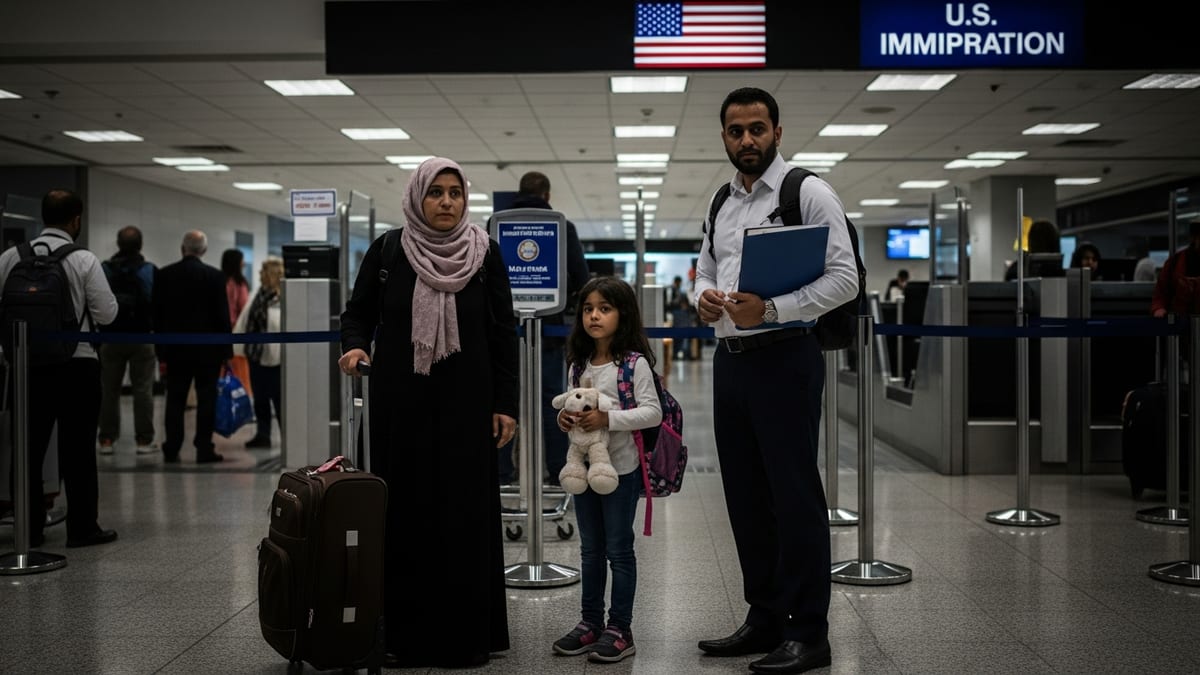
Regional advisory targets World Cup visitors and local communities
The New England travel advisory was released in early June by a coalition that includes the Massachusetts Immigrant and Refugee Advocacy Coalition, the Maine Immigrants' Rights Coalition, and partner organizations in New Hampshire and Vermont. Publicly available information shows the groups expect millions of visitors to travel through the region this summer as Boston hosts seven World Cup matches at Gillette Stadium in Foxborough.
The advisory is aimed at both international fans entering through New England airports and border crossings, and at immigrant residents who may attend games, fan festivals, or neighborhood viewing parties. According to published coverage, the document warns that people perceived as foreign nationals or noncitizens could face additional scrutiny while traveling to and around host cities.
The World Cup schedule places New England in the global spotlight, with group-stage and knockout matches running from mid-June into July at the venue temporarily branded as Boston Stadium for the tournament. Advocates argue that the surge in visitors, combined with long-standing federal enforcement trends, creates conditions in which immigrant communities and travelers of color could be disproportionately affected.
The regional advisory aligns with a broader national warning issued this spring by more than 100 civil society and human rights groups for travel anywhere in the United States during the tournament. That national document highlights what organizers describe as an increasingly punitive immigration and public order climate that could shape World Cup experiences for visitors and residents alike.
Warnings center on immigration enforcement and racial profiling
New England advocates say their concerns are driven by the possibility of intensified federal immigration activity during the tournament. Reports indicate the advisory flags the risk of encounters with U.S. Immigration and Customs Enforcement and other federal agencies in and around airports, transportation hubs, and major event zones.
Coverage of the advisory highlights warnings about racial profiling and immigration checks that could affect Black and brown fans, including Caribbean, African, and Latin American visitors, as well as long-term residents who lack permanent status. The document cautions that fans attending watch parties, particularly in immigrant neighborhoods, may also encounter enforcement actions unrelated to match security.
Advocates point to recent national travel advisories that cite expanded use of immigration detention, aggressive interior enforcement, and the presence of federal agents at airports and along key travel corridors. They argue that high-profile events such as the World Cup can attract intensified operations that, while framed as security measures, may amplify risks for specific communities.
The regional advisory also notes that local governments do not control federal immigration policy. While host cities and states can adopt limits on their own participation in enforcement efforts, advocates say visitors should be prepared for differing rules and practices across jurisdictions, especially when traveling between New England and other World Cup host regions.
Digital searches, social media screening and border checks under scrutiny
In addition to on-the-ground encounters, the New England advisory underscores growing concern over digital screening of travelers. Publicly available guidance from rights organizations notes that foreign visitors may be asked to provide social media identifiers as part of visa applications and can face requests to unlock phones or laptops at U.S. ports of entry.
According to reports, the advisory encourages travelers to be aware that border officers have broad authority to inspect electronic devices, sometimes without individualized suspicion. Civil liberties groups at the national level have warned that this practice can expose private conversations, political activity, and personal networks to government review.
The World Cup context magnifies those worries, as international fans often document trips extensively online and may join digital fan communities that discuss politics, human rights, or controversial issues. Advocates say such online activity could be misinterpreted in a heightened security environment, particularly for visitors from countries already subject to additional visa restrictions.
Rights groups have published basic digital hygiene recommendations for visitors, including limiting sensitive information stored on devices while traveling and understanding that refusal to comply with inspection requests can carry consequences at the border. The New England advisory echoes those messages, framing them as practical preparation rather than a reason to avoid visiting.
Massachusetts touts safety planning as advocates highlight risks
As advocates publicize potential dangers, Massachusetts officials and regional partners have emphasized extensive planning to ensure a safe tournament. Public documents show that state, local, and federal agencies have coordinated on crowd management, transportation operations, public health guidance, and emergency preparedness around Gillette Stadium and key transit hubs.
Gillette is scheduled to host five group-stage matches, one Round of 32 contest, and a quarterfinal, with hundreds of thousands of ticketed fans expected to move through Boston and suburban Foxborough over several weeks. Transportation agencies have announced special commuter rail service, temporary lane changes on major highways, and street closures near Boston’s South Station to manage increased traffic and security perimeters.
Earlier this year, Foxborough officials resolved a prolonged dispute over who would pay for roughly 7.8 million dollars in public safety costs tied to the World Cup. A local agreement with stadium owner Kraft Group and the Boston Soccer 2026 organizing committee cleared the way for the town to issue the event license, ending speculation that matches might be moved to another venue.
Officials and advocates both describe safety as a priority, but they emphasize different dimensions of risk. While public planning documents focus on crowd control, human trafficking prevention, and emergency response, immigrant rights organizations say those efforts must be matched by clear limits on immigration enforcement activity at and around World Cup events.
Travelers urged to prepare documents and know local resources
The New England advisory ultimately frames the World Cup as an opportunity as well as a risk, encouraging visitors to attend matches and enjoy the region while taking concrete steps to protect themselves. Publicly distributed materials urge travelers to carry valid identification and immigration documents at all times, make secure copies of important records, and share itineraries with trusted contacts.
Advocacy organizations also encourage visitors and residents to familiarize themselves with local legal assistance resources before problems arise. In New England, statewide coalitions and community groups maintain hotlines, multilingual know-your-rights materials, and referral networks that can connect travelers with immigration and civil rights attorneys.
For international fans planning their trip, the advisory suggests reviewing entry requirements, understanding that additional questioning at the border is possible, and allowing extra time at airports and security checkpoints. Travelers who are uncomfortable with potential device searches are encouraged to consider traveling with minimal electronic equipment or using temporary devices that store limited personal data.
With the first New England match scheduled in mid-June, the competing messages of welcome and warning are likely to shape how many fans perceive their World Cup experience. For immigrant advocates, raising concerns now is an attempt to ensure that the global celebration of sport does not leave some of its most vulnerable participants at greater risk.