


More news on this day
A Delta Air Lines Boeing 737-800 operating Flight DL716 from New York LaGuardia to Denver diverted to Detroit Metropolitan Wayne County Airport, where the aircraft made an unscheduled but controlled landing before passengers continued their trip on the revised routing.
Get the latest news straight to your inbox!
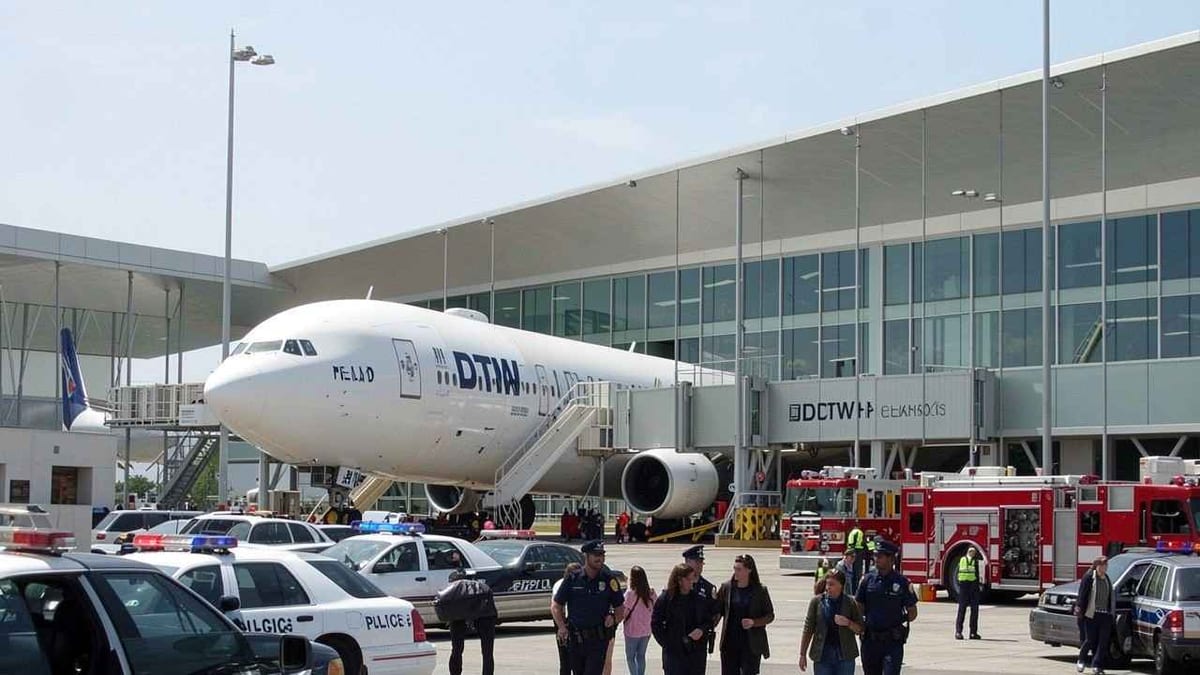
Delta Flight From New York to Denver Makes Unplanned Stop
Publicly available flight-tracking data shows that Delta Air Lines Flight DL716 departed New York LaGuardia Airport as scheduled on its route to Denver but did not complete the journey nonstop. Instead, the Boeing 737-800 turned toward Michigan and landed at Detroit Metropolitan Wayne County Airport, indicating an in-flight diversion rather than a simple schedule change.
The diversion placed the aircraft at one of Delta’s primary hubs, where the airline has extensive maintenance, crew and customer-service resources. This type of routing adjustment is commonly used when an airline needs quick access to technical support or operational alternatives while keeping passengers within its own network.
Initial online records do not point to any reported injuries among those on board DL716, and there is no indication of an evacuation using emergency slides. The aircraft appears to have taxied to a gate in Detroit, where passengers were able to disembark in a controlled terminal environment.
While the exact trigger for the diversion has not been detailed in publicly accessible reports, such events typically stem from technical caution, medical needs, airspace or weather challenges, or a combination of factors. In this case, the route from LaGuardia to Denver overflies several large hub airports, giving crew multiple diversion options, with Detroit selected as a logical choice within Delta’s network.
What Is Known About the Boeing 737-800 Involved
Delta’s Boeing 737-800 fleet serves a wide range of domestic routes, including flights linking New York, Detroit and Denver. Fleet data compiled by aviation reference sites describes the 737-800 as a workhorse narrowbody aircraft used for medium haul segments such as the roughly four-hour trip between LaGuardia and Denver.
The aircraft type is configured in a two-cabin layout with first class and main cabin seating and, on most Delta examples, updated interiors that include modern in-flight entertainment and power outlets. The 737-800 is widely operated across the industry and has a long-established safety record, with diversions generally reflecting a cautious operational approach rather than an immediate emergency.
When a 737-800 diversion occurs, airline procedures typically call for the flight crew to coordinate with dispatch and air traffic control to determine the most suitable alternate airport, taking into account runway length, weather, available maintenance support and passenger handling options. Detroit, as a major Delta base, offers extensive facilities that help minimize further disruption once the aircraft is on the ground.
Available fleet summaries also indicate that Delta has been progressively refreshing the interiors of its 737-800s, part of a broader modernization project across its narrowbody fleet. That program does not change the fundamental handling or performance characteristics of the aircraft but is designed to enhance passenger comfort and consistency between routes.
Passenger Experience After the Detroit Diversion
Based on typical airline practices and publicly available guidance for diverted flights, passengers on Flight DL716 would have been required to remain seated until the aircraft reached a gate and the seatbelt sign was turned off. After the diversion to Detroit, they were likely informed that their onward travel to Denver would continue either on the same aircraft after checks or on an alternative Delta service.
When diversions occur for technical or operational reasons, airlines often rebook travelers automatically onto the next available flights to their original destinations. For a hub such as Detroit, this can include multiple daily departures to Denver, increasing the chances of same-day onward connections and reducing overall delays.
For passengers with tight connections beyond Denver, a diversion can complicate longer itineraries. Airline customer-service teams and digital tools typically play a central role in reworking those plans, offering new routing options, hotel vouchers where applicable, and updated boarding passes through mobile apps.
Although diversions can be unsettling, aviation safety specialists regularly emphasize that a precautionary landing at a major hub reflects the system working as intended. By landing early at an airport like Detroit, crews can address any concerns on the ground rather than continuing over sparsely served areas with limited diversion choices.
Operational Context Along the LaGuardia–Denver Corridor
The LaGuardia to Denver route represents a significant transcontinental link from a heavily slot-constrained New York airport. Airlines operating from LaGuardia must balance aircraft performance, runway length, and congestion, especially when using larger narrowbody models such as the Boeing 737-800 on longer flights that push the airport’s traditional perimeter patterns.
Aviation scheduling data shows that airlines have increasingly leveraged 737-800 aircraft on medium and long domestic sectors, including services between the New York area, Detroit and Denver. This reflects both the range capability of the type and efforts to match seat capacity to strong demand on business and leisure routes.
Weather patterns along the corridor can vary significantly, especially during transitional seasons, introducing potential for turbulence, reroutes around storms, or traffic flow restrictions that occasionally lead to holding patterns or diversions. In such circumstances, hub airports like Detroit serve as strategic safety valves within airline networks.
LaGuardia’s status as a major base for Delta means that operational ripple effects from any irregular flight can extend across the schedule. However, the presence of multiple hubs, including Detroit and other central airports, helps absorb disruptions by providing alternate paths for aircraft and passengers.
What Travelers Can Take Away From the DL716 Diversion
The diversion of Delta Flight DL716 underscores how even routine domestic services can encounter unexpected changes, but also how the U.S. aviation system is structured to manage them. Access to multiple hubs, a large narrowbody fleet and well-established diversion procedures all contribute to keeping such events controlled and manageable.
For travelers, the incident highlights the importance of monitoring flight status through airline apps and airport information boards, especially when connecting through busy hubs. When a diversion occurs, digital rebooking tools and notifications can shorten lines at customer-service counters and help passengers secure seats on the earliest available onward flights.
In operational terms, a Boeing 737-800 diversion to a major hub such as Detroit does not by itself indicate a severe safety concern. Instead, it reflects a conservative approach in which crews choose to land in an environment with extensive support instead of pressing on to the originally scheduled destination.
As of the latest update, publicly available information points to Flight DL716 completing its diversion safely, with passengers continuing their journeys to Denver through revised arrangements from Detroit. The episode is a reminder that while diversions can be inconvenient, they are a regular part of modern airline operations and are intended to prioritize the well-being of everyone on board.