


More news on this day
New York’s John F. Kennedy International Airport is facing another bout of travel disruption as Endeavor Air, American Airlines, Delta Air Lines and Kuwait Airways suspend at least seven flights, triggering widespread delays for passengers bound for St. Lucia, Fuzhou, Hamilton, Kingston, Nassau and several other international destinations.
Get the latest news straight to your inbox!
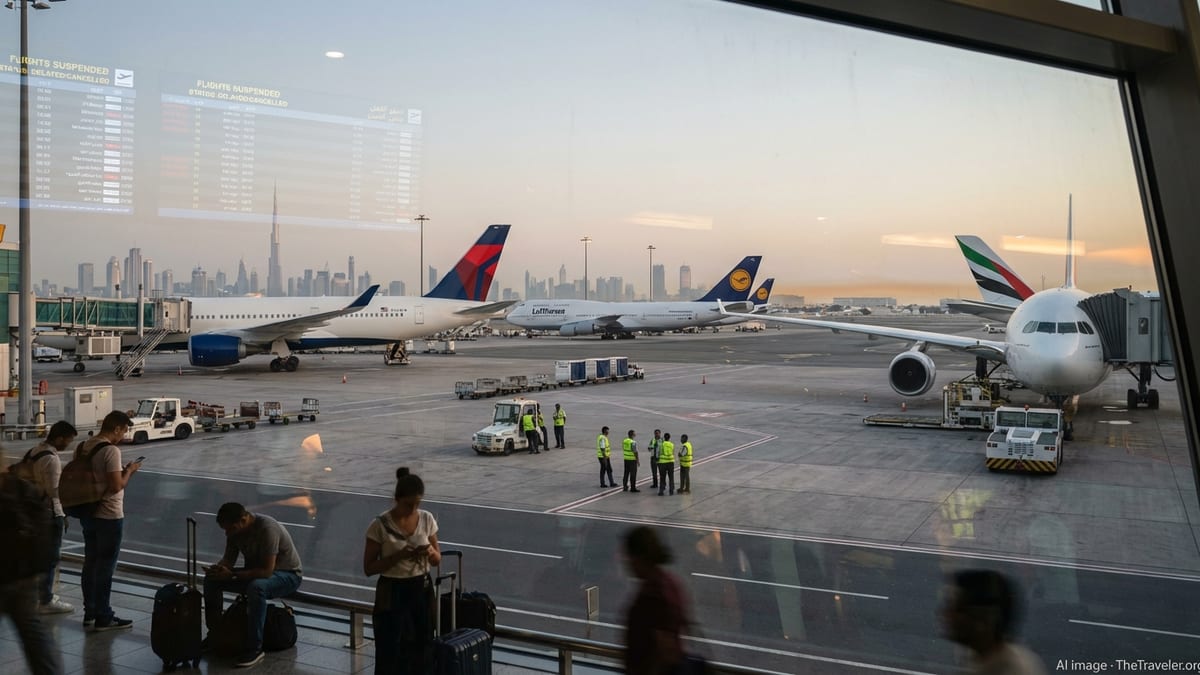
Chain Reaction of Cancellations Hits Key International Links
Publicly available flight tracking data and schedule updates show that a cluster of cancellations at JFK has developed into a broader disruption affecting multiple carriers and routes. Regional operator Endeavor Air, which flies as Delta Connection, has withdrawn several departures, including services feeding larger Delta long haul flights. At the same time, American Airlines and Delta have each removed or delayed departures on already tight transborder and Caribbean schedules, while Kuwait Airways has interrupted its New York services amid wider network adjustments.
Routes linking JFK with St. Lucia in the eastern Caribbean, Kingston in Jamaica and Nassau in the Bahamas are among the hardest hit, according to airline status boards and airport departure screens. Travelers booked on those flights are reporting a mix of outright cancellations and rolling delays, often announced close to departure. Combined with earlier seasonal capacity reductions by American on some Canadian routes and regional scheduling changes by Endeavor, the result is fewer immediate alternatives for stranded passengers trying to rebook out of New York.
The disruption is not limited to the Americas. Schedule changes and cancellations on services to Fuzhou in China and Hamilton in Canada are contributing to a patchwork of gaps across JFK’s international network. Kuwait Airways’ decision to temporarily suspend selected rotations into New York is adding to the bottleneck for travelers to and from the Middle East and beyond, especially those relying on through tickets and code share connections.
Operational data suggest that what began as a series of isolated schedule adjustments has evolved into a broader reset of flying programs at the airport. Airlines are trimming frequencies on softer routes, consolidating passengers onto fewer flights and, in some cases, suspending individual services entirely, creating a choppy experience for travelers in the middle of the May travel period.
Weather, Network Rebalancing and Aircraft Positioning Complicate Operations
Recent advisories from aviation authorities have highlighted unstable spring weather patterns across the eastern United States, including the New York airspace. Ground delay programs and low ceiling conditions in late April created knock on effects that are still filtering through airline networks. When combined with localized thunderstorms and high winds, these operational constraints are shrinking the buffer that airlines typically rely on to recover from minor schedule disruptions.
Airlines are also contending with aircraft positioning challenges and constrained crew availability. Publicly posted travel alerts from major carriers describe scenarios in which aircraft are stuck in other cities, crew members time out under duty rules or inbound flights are rerouted around weather or congested airspace. Each of these factors can force last minute cancellations or extended delays at hub airports such as JFK, particularly for thinner routes where there is no spare aircraft or backup crew on hand.
Industry analysts note that some of the cancellations now visible at JFK reflect broader strategic decisions. American Airlines has already announced cuts to specific transborder services from JFK, citing softer demand and competitive pressure in the U.S. Canada market. Regional affiliates such as Endeavor Air are simultaneously rebalancing flying across multiple hubs, which can leave individual JFK spokes more vulnerable when irregular operations hit.
For carriers such as Kuwait Airways, evolving geopolitical risks and changing traffic flows across the Middle East and Asia are prompting ongoing reviews of long haul schedules. Interruptions on those routes, even when temporary, can strand passengers at connecting points and increase pressure on alternative services operated by other airlines out of JFK.
Knock On Impact for Passengers Bound for St. Lucia, Fuzhou, Hamilton, Kingston and Nassau
Travelers booked from JFK to leisure destinations including St. Lucia and Nassau are reporting extended waits, rebookings across multiple days and, in some cases, diversions via other U.S. hubs. Caribbean routes are particularly sensitive to aircraft and crew disruptions because they often operate at limited frequencies and rely on narrowbody jets that are in high demand across airline networks.
In the case of St. Lucia, publicly available reports already describe passengers stranded overnight after a New York bound service was grounded following a bird strike, with the onward knock on effect of aircraft and crew being out of sequence for later flights. When combined with new cancellations or suspensions at JFK, that type of single event can quickly cascade into multi day disruption for travelers at both ends of the route.
Services to Kingston and Nassau face similar vulnerabilities. Many flights on those routes are timed for banked connections at JFK, meaning that disruptions earlier in the day can force airlines to consolidate or cancel later departures. Passengers missing tight inbound connections into New York can lose their place on already full Caribbean flights, pushing them onto standby lists or requiring rerouting via Miami, Atlanta or other hubs operated by the same airline group.
On long haul and transpacific corridors, suspensions or delays on services to and from Fuzhou are disrupting itineraries for travelers connecting between smaller Chinese cities and North America. These passengers often depend on intricate combinations of domestic and international segments, so even a single cancelled JFK Fuzhou leg may demand completely new itineraries, sometimes via alternative gateways such as Los Angeles, San Francisco or Vancouver.
Limited Rebooking Options and Confusion Around Passenger Rights
The wave of changes at JFK is exposing ongoing confusion about what airlines owe passengers during major disruptions. Many carriers classify events such as severe weather, bird strikes or airspace restrictions as outside their control, which limits their obligations to provide hotel accommodation or meal vouchers. Travelers delayed overnight after cancellations on affected routes are increasingly turning to social media and consumer forums to compare experiences and seek advice.
American Airlines, Delta and partner regional operators typically offer no cost rebooking on the next available flight in the same cabin, subject to seat availability, when there is a schedule change or cancellation. However, when several flights on the same route are suspended or consolidated and planes are already close to full for the busy late spring period, the “next available” option may be days away. For Caribbean and leisure travelers operating on fixed resort bookings or cruise departures, that gap can translate into lost vacation days and additional out of pocket costs.
Kuwait Airways passengers transiting through New York to onward destinations in the Middle East, Asia or Africa face their own set of challenges. When a JFK segment is suspended, entire itineraries may need to be rebuilt, even if connecting legs on other carriers remain scheduled to operate. According to consumer advocacy guidance, travelers in that position may be eligible for refunds or alternative routing, but the process can be time consuming and subject to individual airline policies.
Public information from aviation regulators in the United States makes clear that, outside of specific rules for flights departing from or within the European Union, passenger entitlements during disruptions depend heavily on the carrier’s contract of carriage. That patchwork means that two travelers caught in the same delay at JFK may receive very different forms of assistance depending on which airline they are flying.
What Travelers Through JFK Can Do Now
Travel advisers and frequent flyer communities are emphasizing preparation for anyone scheduled to transit JFK in the coming days. The common recommendation is to monitor airline apps and flight status tools closely, checking repeatedly in the 24 hours before departure for any sign of retiming or equipment changes. Same day schedule adjustments are increasingly common in periods of network stress, and early awareness can create more options for voluntary rebooking.
For passengers holding nonrefundable tickets to destinations such as St. Lucia, Kingston, Nassau or Fuzhou, publicly available guidance from airlines suggests that travel alerts, when issued, can unlock additional flexibility. These alerts sometimes allow changes to nearby dates or alternative airports without change fees or fare differences, provided travelers act within a defined window. Those who can shift trips by a day or two may avoid the tightest pinch points.
Industry analysts also advise building longer connection times when routing through JFK while the current disruptions persist. Short layovers increase the risk of misconnecting when an inbound flight faces even a minor delay. Where possible, travelers may be better served by choosing itineraries with overnight stops, or by using alternative hubs, even if that means a longer journey on paper.
With airlines fine tuning their schedules and regional operators like Endeavor Air reallocating aircraft across multiple hubs, conditions at JFK are likely to remain fluid. For now, the combination of suspended flights by Endeavor, American Airlines, Delta and Kuwait Airways and the resulting gaps to St. Lucia, Fuzhou, Hamilton, Kingston, Nassau and other destinations is a reminder that international travel out of New York’s largest airport can still change rapidly, even outside traditional peak disruption seasons.