


More news on this day
A Carnival cruise ship sailing from Long Beach, California, experienced a brief power outage during a scheduled sea day while en route to Mexico, prompting temporary disruptions on board and raising fresh questions about how cruise operators manage unexpected technical issues at sea.
Get the latest news straight to your inbox!
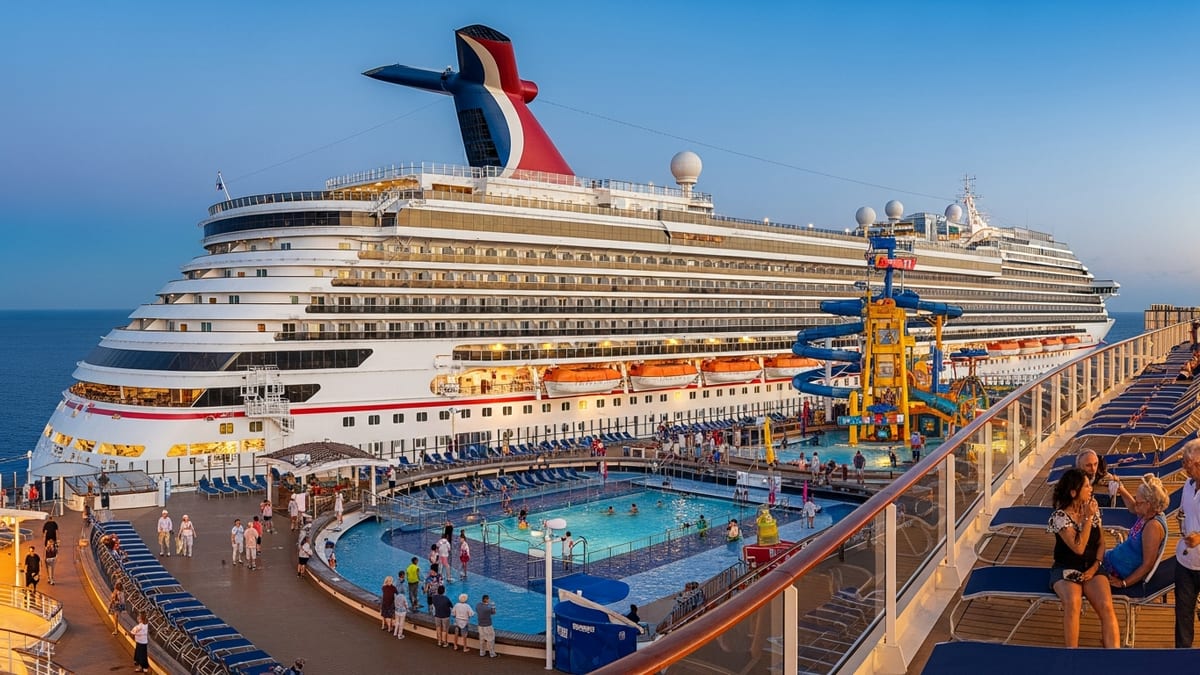
Short Power Loss Reported En Route to Mexico
Publicly available coverage indicates that the incident occurred as the ship was spending a full day at sea after departing Long Beach on a Mexican Riviera itinerary. The vessel reportedly lost power for a short period, with propulsion and some hotel services affected before systems were restored.
The outage took place during a stretch of open-ocean sailing, a time when many guests typically use public venues, pools, and dining areas. Passengers posting on social media platforms and cruise forums described a sudden loss of lighting and brief interruptions to onboard services before emergency systems activated.
Reports indicate that the ship’s emergency power systems maintained essential functions while crew members worked to bring main power back online. These backup systems are designed to keep critical equipment running, including navigation instruments, basic lighting, and key safety systems, even when primary generators shut down.
While the exact duration of the outage has not been specified in official public materials, passenger accounts characterize the disruption as short-lived, with normal operations resuming later the same day.
Passenger Experience and Onboard Disruptions
Accounts shared in public online discussions suggest that the power loss was noticeable across multiple decks, with elevators briefly out of service and some interior corridors going dark before emergency lighting engaged. Guests also described pauses in air conditioning and temporary shutdowns of entertainment and bar operations.
During sea days, cruise ships often run dense schedules of activities, from poolside events to theater rehearsals and casino operations. The timing of the outage meant that several of these services were interrupted or delayed while technical teams focused on restoring power and verifying that systems were safe to restart.
Some passengers reported that crew members moved quickly to manage crowds in stairwells and public spaces once the lights dimmed, directing guests and answering questions as systems transitioned to emergency power. Other reports indicate that announcements were made once the situation stabilized, explaining that technical teams were addressing a power issue.
Although there have been no publicly reported injuries associated with this particular outage, travelers described feeling uneasy as the ship temporarily drifted at reduced speed, a reminder of how dependent modern cruise vessels are on complex electrical and propulsion systems.
Technical Context and Safety Protocols
Modern cruise ships are powered by large diesel or dual-fuel generator sets that create electricity for both propulsion and so-called hotel loads, including lighting, climate control, water treatment, and galleys. Industry commentary and technical analyses note that when a fault occurs, automated protections can shut down generators to prevent equipment damage, leading to a sudden loss of power until systems are reset or backup units spin up.
Carnival Corporation has publicly emphasized its focus on safety, environmental performance, and fleet modernization, describing efforts to improve energy systems and reduce emissions across its brands. These initiatives include investments in updated propulsion technology and newbuild ships designed with more robust redundancy and monitoring capabilities.
Historical incidents across the wider cruise sector, including earlier high-profile power losses on ships operated by various lines, led to regulatory scrutiny and operational changes. In the years since, operators have highlighted improvements to backup generators, segregation of critical systems, and more detailed contingency plans intended to minimize passenger impact if a technical failure occurs at sea.
In this latest case, the rapid restoration of power and the resumption of the voyage suggest that primary systems were brought back online without the need for external assistance such as ocean-going tugs. However, the event underscores how even short outages can create uncomfortable conditions and logistical challenges when thousands of passengers are on board.
Operational Impact on the Itinerary
Reports on cruise-tracking and enthusiast websites indicate that the ship continued its voyage toward Mexico after the incident, albeit at adjusted speeds as technical checks were completed. Any schedule changes appear to have been limited to minor timing shifts rather than wholesale cancellation of ports.
Sea days typically provide ships with some flexibility to recover time lost to technical or weather-related slowdowns. By adjusting speed and optimizing routes, bridge teams can often make up several hours, preserving published arrival windows at ports of call. This flexibility appears to have played a role in reducing the long-term impact of the outage on passengers’ vacation plans.
Travelers commenting online noted that some shipboard entertainment and venue schedules were reshuffled, with certain events pushed later into the evening once full power was confirmed. In some cases, guests reported that additional activities or small gestures were offered later in the voyage as the line sought to maintain a positive onboard atmosphere.
Based on available information, there have been no indications that subsequent sailings of the same ship were canceled or significantly modified as a direct result of the brief outage, suggesting that the issue was treated as an isolated technical event rather than a recurring systems problem.
Power Outages as a Recurring Cruise Industry Challenge
While complete power failures at sea are relatively rare, partial or short-lived outages remain a recurring risk for the cruise sector. Public records and historical reporting show that vessels across multiple brands, including Carnival’s, have experienced temporary power losses over the past decade, ranging from minor resets to more serious disruptions that required itinerary changes.
Industry observers point out that as ships grow larger and more technologically complex, their dependence on integrated electrical networks increases. Even small faults can ripple through interconnected systems, requiring careful troubleshooting before propulsion and hotel services are fully restored.
In response, cruise lines have highlighted training, drills, and engineering upgrades as key strategies to limit the impact of power disruptions. Safety advocates and passenger groups, meanwhile, continue to monitor how operators communicate with guests during technical events, and how quickly normal conditions can be re-established when critical systems go down.
For travelers booked on upcoming cruises, the latest Carnival sea day outage serves as a reminder to review safety briefings, stay attentive to crew instructions, and maintain realistic expectations that complex ships at sea may occasionally encounter technical interruptions, even when overall risk remains low.