


More news on this day
Carnival Cruise Line has circulated a new itinerary change advisory affecting multiple 2026 sailings, highlighting schedule adjustments on select ships and reminding guests that ports, sequences, and arrival times remain subject to change.
Get the latest news straight to your inbox!
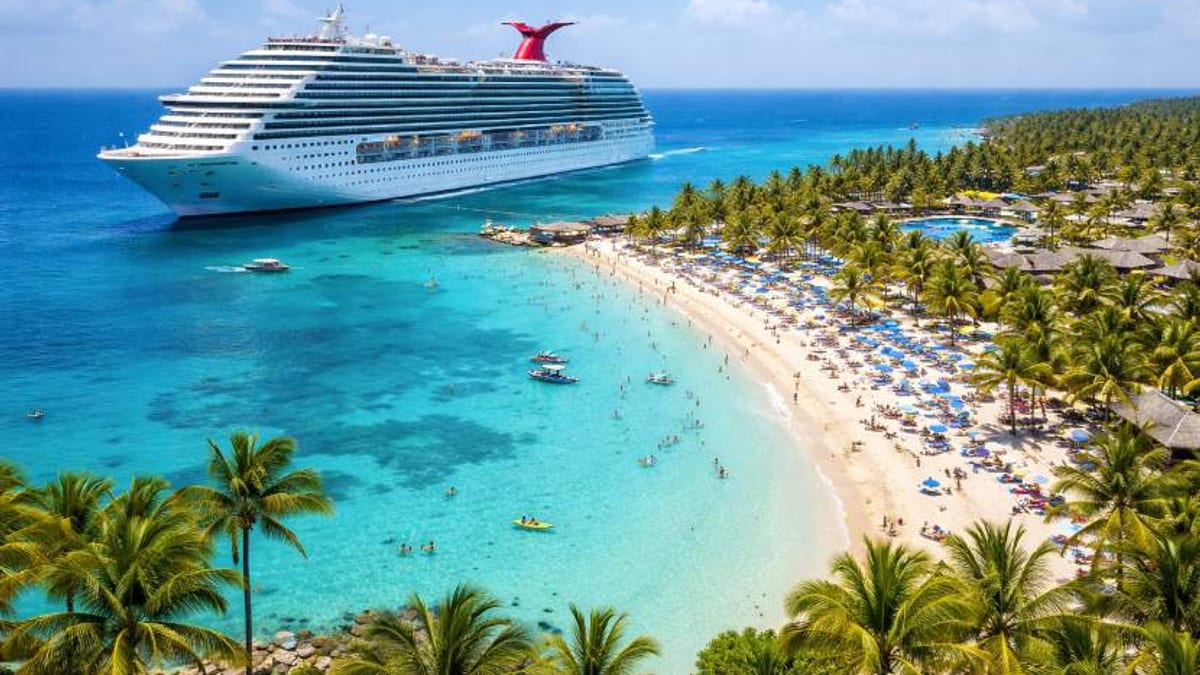
Advisory Highlights Itinerary Flexibility Across the Fleet
The latest advisory underscores that Carnival itineraries are not guaranteed, and that port calls, sequences, and even arrival and departure times can be revised when operational needs or external conditions require it. Publicly available information in Carnival’s ticket contract makes clear that the company reserves the right to modify itineraries, with only substantial shifts such as a change in embarkation or disembarkation city defined as significant changes that may trigger additional guest rights.
The reminder comes as 2026 deployment continues to roll out and as scheduling pressures across the Caribbean and Mexican Riviera intensify. Cruise planning materials published by the line already note that port sequences may change based on ship and sail date, signaling to travelers that their printed itinerary should be treated as a plan rather than a guarantee.
Industry coverage indicates that Carnival and other major cruise operators have been communicating more proactively about itinerary flexibility, particularly for sailings that rely on busy turnaround ports or regions that are prone to seasonal storms. The current advisory fits into that broader pattern, steering guests toward regular email checks and online cruise manager tools to stay ahead of any adjustments.
Specific 2026 Sailings See Port and Timing Changes
While the language of the advisory is broad, recent notices to booked guests show how these policies are being applied to individual voyages. In April 2026, for example, coverage from cruise industry outlets reported that Carnival adjusted two itineraries for Carnival Venezia, dropping a scheduled call in Grand Turk in favor of Amber Cove in the Dominican Republic on an Eastern Caribbean cruise from Port Canaveral. Guests on those sailings were informed of the new line-up of ports and received onboard credit in recognition of the change.
Other recent reports describe similar adjustments for select Carnival Spirit departures, where ongoing maintenance prompted revisions to port dates at the line’s private destinations. In such cases, the core structure of the cruise is preserved, but the specific day a ship visits a port or the number of hours in port may shift to accommodate operational requirements.
On the West Coast, travel trade coverage this week highlighted revisions to 11 Carnival Panorama Mexican Riviera itineraries in 2026, focusing largely on the order and timing of calls from Long Beach. Those changes, while relatively modest, carry practical implications for guests arranging same-day flights or transfers after the cruise, reinforcing the advisory’s guidance to double-check final documents once schedules are updated.
Weather, Maintenance, and Port Congestion Drive Changes
The new advisory points back to familiar reasons for altering cruise plans, including ship maintenance, weather and port congestion. Carnival’s own storm updates in recent seasons show how quickly tropical systems can force route changes, from cancelling calls at Grand Turk and Amber Cove to inserting alternative stops such as Cozumel when conditions allow. In those instances, published updates emphasize that safety and port accessibility take priority over maintaining the original schedule.
Maintenance requirements have also played a visible role. Earlier this year, notices about Carnival Spirit explained that in-service work during a voyage would slightly adjust the itinerary, including moving a visit to a private Bahamian destination by one day. Proactive communication around these changes is designed to limit surprises, even when the onboard experience remains largely intact.
Beyond weather and maintenance, congestion at popular ports continues to shape how far in advance lines can lock in arrival windows. Analysts note that as more large ships compete for prime berthing times in destinations such as the Mexican Riviera and key Caribbean islands, cruise companies are building more flexibility into their schedules and warning that minor timing or sequence changes are increasingly likely.
What Guests Can Expect for Excursions and Refunds
The advisory also effectively serves as a reminder of how itinerary changes interact with shore excursions and ancillary purchases. Carnival’s shore excursion guidance explains that when a port is cancelled outright, any tours sold through the line for that stop are automatically cancelled and refunded to the original form of payment. If only the sequence of ports changes, existing excursions for that destination are typically moved to the new day without any action required from the guest.
In cases where a new port is added on relatively short notice, the company notes that pre-cruise sales of excursions may not be available in time, meaning guests might need to wait until they are on board to book tours. This can affect travelers who prefer to finalize activities weeks or months ahead of departure, and the latest advisory encourages them to monitor their booking portal for updates as soon as any itinerary change is reflected.
More broadly, the line’s terms and conditions emphasize that while guests are entitled to refunds for cancelled, pre-purchased shore tours, they are not automatically entitled to compensation for independent arrangements booked outside the cruise line. Travel agents and consumer advocates continue to recommend flexible arrangements and travel insurance for those who organize complex activities privately in port.
Planning Tips for Travelers on Affected Sailings
For guests already holding 2026 reservations, the itinerary change advisory functions as a prompt to review upcoming plans. Travelers are urged by publicly available information and industry reports to pay particular attention to embarkation and disembarkation times, since modest shifts can influence when it is safe to schedule flights or long-distance ground transfers. Even when the list of ports remains identical, a later arrival back to the homeport can complicate early morning departures from nearby airports.
Industry commentary suggests that guests may want to revisit their pre-cruise checklists when an advisory lands in their inbox. That can include reconfirming hotel reservations on either end of the cruise, checking the status of rental cars and transfers, and reviewing any time-sensitive activities booked for the first or last day of the voyage. Because itinerary updates may occur more than once, some travel planners recommend waiting until final documents are issued closer to sailing before locking in nonrefundable arrangements.
As Carnival refines its 2026 and 2027 deployment, including expanded calls at destinations such as Celebration Key, Half Moon Cay and Mexican Riviera ports, the latest advisory illustrates how dynamic cruise scheduling has become. For many travelers, the message is less about disruption and more about staying informed, building flexibility into their plans, and using the cruise line’s online tools to keep up with any future itinerary adjustments.