


More news on this day
Wildfire smoke from blazes burning in Canada and the Upper Midwest is disrupting early aircraft arrivals into Oshkosh ahead of this year’s EAA AirVenture, with reduced visibility, hazardous air quality and reports of instrument conditions at Wittman Regional Airport prompting many pilots to delay or reroute their trips.
Get the latest news straight to your inbox!
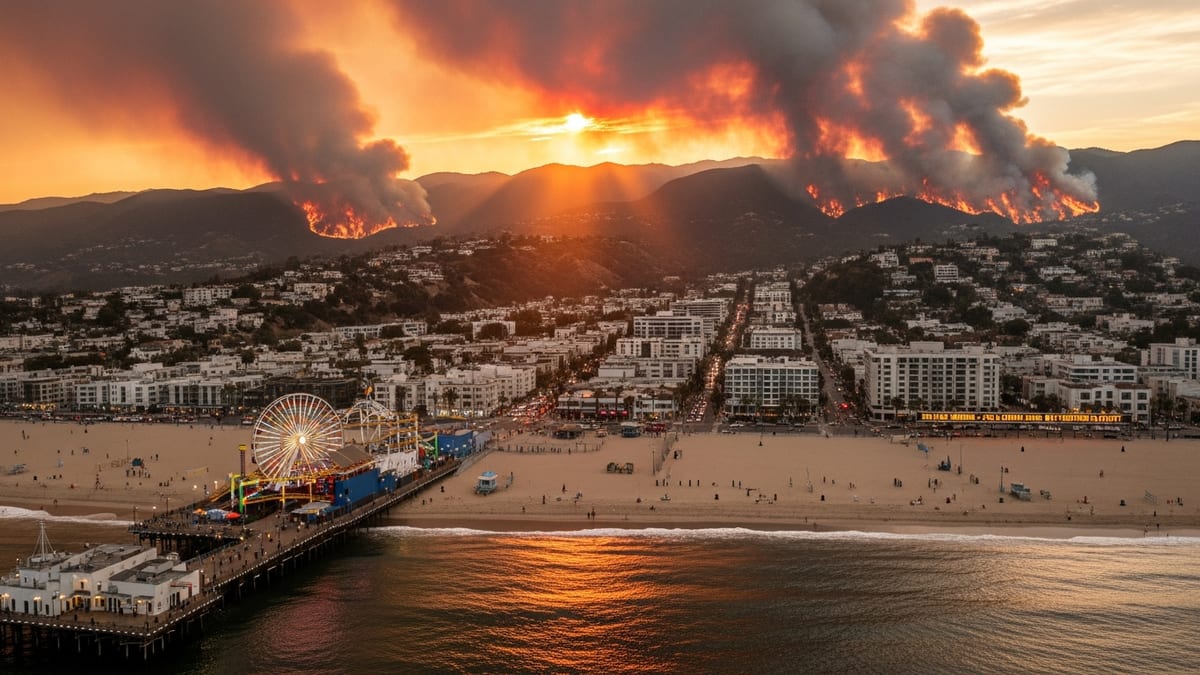
Smoke From Distant Fires Settles Over Oshkosh
Published coverage indicates that smoke from wildfires north of Lake Superior and in parts of Minnesota has pushed south into Wisconsin, creating a thick haze over Oshkosh in the critical days before the Experimental Aircraft Association’s annual fly in officially opens. Aviation outlets report that the smoke layer has been dense enough at times to significantly limit flight visibility in the Oshkosh area, complicating visual approaches that are central to the event’s high volume arrival procedures.
Local media in Wisconsin describe air quality readings in the “very unhealthy” to “hazardous” range on July 16, with a visible brown-gray pall over the city and nearby Lake Winnebago. Publicly available weather observations for Wittman Regional Airport show rapidly changing conditions as the smoke thickens and thins, with visibility occasionally dropping to instrument flight rules criteria even while surface winds remain light.
Social media posts from participants already on site in Camp Scholler and other AirVenture camping areas describe an acrid smell of smoke and limited visibility across the show grounds, corroborating formal air quality index reports. Some visitors note that solar panels at campsites are struggling to generate power through the smoke filtered sky, adding a secondary challenge for those relying on off grid setups ahead of the show’s busiest days.
Meteorological discussions shared by the National Weather Service and linked from EAA’s weather information resources attribute the conditions to persistent upper level flow channeling smoke from ongoing fires hundreds of miles away. Forecasts suggest periodic improvement if frontal passages bring cleaner air, but also warn that additional smoke intrusions remain possible as long as large wildfires continue to burn.
Mass Arrival Plans Tested By Low Visibility
The Oshkosh fly in depends on well choreographed visual arrivals including the widely known Fisk VFR arrival procedure, which routes inbound traffic over a series of visual reporting points before landing on color coded runway dots. The current FAA arrival notice for AirVenture specifies that arrivals and departures are not authorized when Wittman Regional Airport is instrument only or closed, creating a natural bottleneck whenever visibility falls below VFR minima.
Reports from aviation publications and pilot communities indicate that on July 16, periods of smoke reduced visibility brought the field to instrument status for parts of the day, sharply constraining inbound traffic. Participants involved with aircraft parking and marshaling in the vintage and general aviation areas describe only a handful of arrivals during hours when smoke was thickest, a stark contrast to the typical pre show rush.
The FAA’s published guidance for the 2026 event already warns that traffic using the Fisk arrival should expect delays during mass formation and group fly ins even in normal weather. With wildfire smoke layered on top of those constraints, pilots planning to join organized arrivals for homebuilt, warbird or type club formations are facing difficult decisions about whether to launch, hold at outlying fields or postpone until conditions stabilize.
Some aircraft have reportedly departed Oshkosh under instrument flight plans to reposition or escape the worst of the smoke, underscoring the operational impact of the reduced visibility. Even when the ceiling and prevailing visibility technically meet VFR thresholds, a combination of slant range visibility and pilot comfort level in smoky air has led many to err on the side of caution and remain on the ground.
Pilots Adjust Routes, Schedules and Fuel Stops
According to published coverage, pilots en route from the East Coast and southern states are closely watching satellite imagery, forecast discussion and pilot reports to thread paths around the densest smoke plumes. Some flight plans are being revised to include additional fuel stops to allow flexibility if visibility deteriorates along the final legs into Wisconsin.
Regional airports such as Appleton, Fond du Lac and Green Bay, which typically serve as alternates and staging points for AirVenture traffic, feature prominently in online discussions about contingency planning. Pilots describe using these fields as holding points while monitoring updated weather, with the option of completing the last short leg into Oshkosh only if conditions meaningfully improve.
In pilot forums and discussion threads, experienced Oshkosh attendees are urging newer participants to treat this arrival window as atypical and to avoid feeling pressure to “get in” at any cost. The emphasis is on conservative decision making, careful fuel management and prebriefing of alternate airports along the favored arrival corridors from the south and southwest, where smoke filtered sunlight can make horizon definition and traffic spotting more difficult than expected.
Some pilots are also reconsidering plans to arrive during traditionally busy mass arrival slots, opting instead for earlier morning windows that may offer slightly clearer air and lower overall traffic density. However, the rapidly changing nature of the smoke layer means that even these strategies come with uncertainty, and many are choosing to postpone flights entirely until forecasts show more sustained improvement.
On the Ground, Campers and Exhibitors Adapt
For those already in Oshkosh, the impacts extend beyond the runways. Publicly available information indicates that campgrounds such as Camp Scholler are experiencing a combination of smoky air, muted sunlight and an increase in generator use as solar systems underperform. Attendees report spending more time indoors in campers or buildings, limiting outdoor socializing and early site setup work.
Some exhibitors and aircraft owners who had planned to position display aircraft several days ahead of the official opening are delaying their moves until visibility and air quality improve. Documents for AirVenture exhibitors note that aircraft placement windows run from mid July through the Sunday before the show, giving a limited but important buffer for weather related disruptions. Losing even a day or two during that window to smoke related delays can compress already tight schedules for final display setup.
Vendors and local businesses that typically see a gradual build up of visitors in the days leading into AirVenture may also feel short term effects if arrivals are bunched into a shorter weather window. Lodging providers, including university housing and local hotels, still expect full occupancy during the main show period, but the pattern of check ins and early arrivals could shift if pilots wait for clearer skies.
Health guidance circulated by local media and public agencies encourages visitors to limit strenuous outdoor activity during periods of very poor air quality and to use high filtration masks if they are sensitive to smoke. For aviation enthusiasts who often spend long days walking the grounds and watching airborne displays, such recommendations may alter daily routines until the smoke begins to thin.
Organizers Emphasize Preparedness and Flexibility
Background materials for EAA AirVenture stress that the event operates in a wide range of weather conditions and that pilots remain responsible for individual go or no go decisions. The organization’s online resources direct attendees to National Weather Service briefings, dedicated Oshkosh weather pages and text alert systems that provide updates on arrivals, parking and camping status.
Recent advisories incorporated into the FAA’s AirVenture notice reiterate that no arrivals are permitted when Wittman Regional Airport is under instrument conditions or closed for airshows or other operations, reinforcing that there is no workaround for marginal visibility caused by smoke. The notice outlines alternate procedures and contingency flows to nearby airports so that inbound traffic can safely wait out periods of reduced visibility.
From a broader aviation safety perspective, the Oshkosh smoke episode is emerging as another example of how distant wildfires can affect flight operations across large regions, even when local weather appears benign. Training materials and safety forums associated with AirVenture have increasingly highlighted the challenges of flying in degraded visual environments created by smoke, including issues related to disorientation, traffic acquisition and engine performance.
As the 2026 show approaches its official opening dates, pilots, organizers and local residents are watching forecasts closely for signs of relief. If frontal systems bring cleaner air into Wisconsin, the pent up demand for arrivals could translate into an intense but manageable surge of traffic. If smoke persists, the early days of this year’s AirVenture may stand as a case study in how large scale fly in events adapt when wildfire seasons and aviation traditions intersect.