


More news on this day
Celtic supporters heading to Glasgow for tonight’s Europa League showdown with Celta Vigo are being urged to treat the fixture like a high‑risk European night, as reports highlight strict stadium rules, heavy demand for tickets and potential disruption across the city’s transport and hospitality network.
Get the latest news straight to your inbox!
High‑stakes Europa League night at Celtic Park
The league‑phase meeting between Celtic and Celta Vigo at Celtic Park on 22 October is already framed as a pivotal fixture in Group A, with both clubs seeking their first points of the campaign after defeats to Ferencvaros, Benfica, Omonia and Juventus. Match information published by competition organisers and domestic coverage confirms an evening kick‑off at 20:00 in Glasgow, with a near‑capacity crowd expected.
Publicly available ticketing information indicates that Celtic’s home allocation has largely been taken up by season‑ticket holders and package buyers, while Celta Vigo have received around 2,600 official away tickets. Spanish reports suggest that close to 3,000 visiting supporters could travel, pointing to one of the largest away contingents Celtic Park has seen in recent Europa League seasons.
Scottish media coverage notes that the game comes against a backdrop of supporter unrest at Celtic over European ticket pricing, with the Green Brigade ultras group staying away from the league‑phase fixtures. That boycott is expected to leave a visible gap in the North Curve, prompting concerns among some regular attendees that the atmosphere may be more heavily driven by the travelling Celta support.
While the match is not classified publicly as a derby or extraordinary security event, both clubs’ recent experiences in Europe and the size of the visiting crowd have prompted renewed scrutiny of travel planning, alcohol rules and supporter conduct in and around the stadium.
Transport, access and pre‑match bottlenecks
Glasgow’s matchday pattern around Celtic Park typically relies on a combination of ScotRail services into the city centre, local buses to the east end and significant numbers of fans walking from Bridgeton, Dalmarnock and Bellgrove. Local news outlets are flagging that Thursday evening services are expected to be busy, with commuters sharing lines with football traffic in the peak period before kick‑off.
Supporters arriving from elsewhere in Scotland or from Ireland are being advised in open‑source travel discussions to build in additional time for connections from Glasgow Central and Queen Street stations to the east end. With first whistle at 20:00, trains and buses in the 17:30 to 19:30 window are expected to be particularly congested. Any late‑running services could create bottlenecks on key walking routes such as London Road and the Celtic Way.
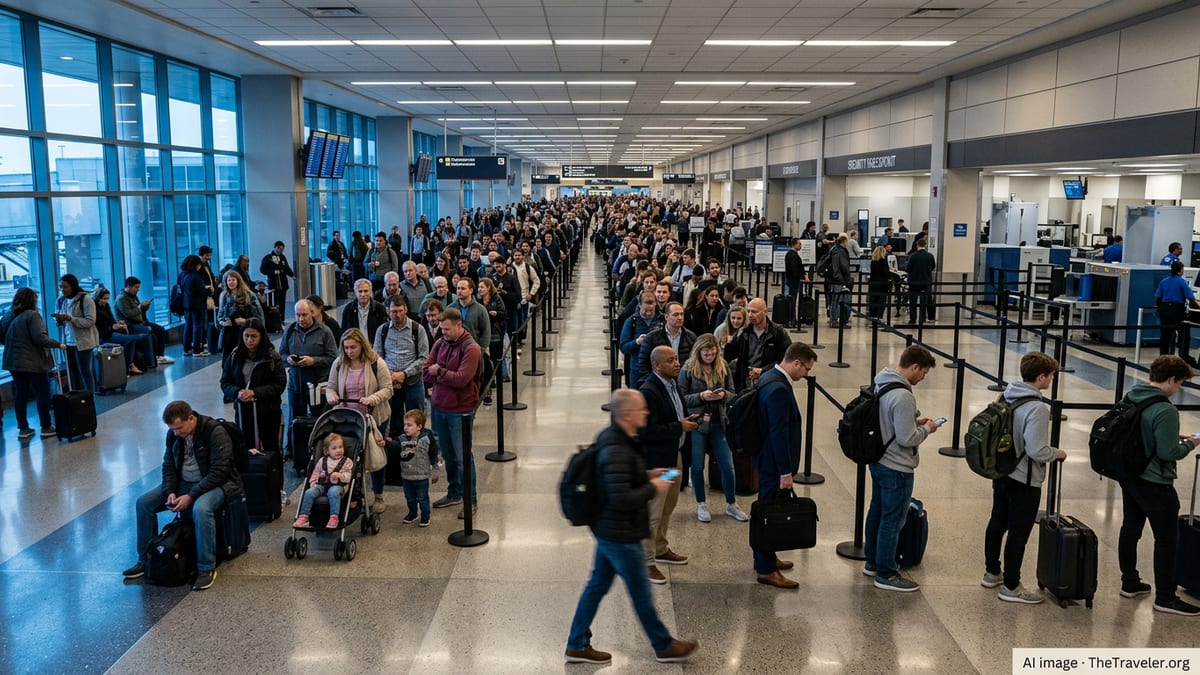
For visiting Celta fans, Spanish coverage highlights a mix of charter arrangements and scheduled flights via airports including Porto, Madrid and London, with onward travel to Glasgow by low‑cost carriers. Some supporters are reported to be routing through Edinburgh and then taking rail or coach connections west, increasing pressure on evening trains between the two cities. Given the popularity of budget itineraries, queues at airport security and passport control are also a risk for those travelling on matchday itself.
Publicly available guidance from previous European nights at Celtic Park stresses that parking around the stadium is extremely limited and subject to event‑day restrictions. Drivers are encouraged to use recognised park‑and‑ride facilities or city‑centre parking and complete the journey on foot or by public transport. Short‑notice road closures on London Road and surrounding streets before and after the game can add further delays for vehicles.
Safety, alcohol rules and stadium regulations
Published club regulations for European fixtures at Celtic Park reiterate strict entry conditions for both home and away fans. These include full bag searches, prohibition on alcohol inside the stadium, and restrictions on large flags, banners and pyrotechnics. Ticket terms set out that supporters breaching these rules risk ejection and potential bans from future matches.
Travel advice issued for past European ties involving Celtic indicates that visiting supporters are usually encouraged to gather in designated areas of the city centre before being directed, often in groups, to the stadium by public transport or on foot. While no detailed public plan has been confirmed for Celta Vigo followers, local commentary suggests that police and stewards are expected to adopt a similar approach, particularly given the size of the travelling contingent.
Scottish and Spanish media note that alcohol sales are permitted in many city‑centre venues before the match but remain tightly controlled within the wider stadium footprint. Publicly available information on previous fixtures shows that some pubs near Celtic Park operate informal segregation on European nights, with certain venues traditionally welcoming away fans and others prioritising home support. Travellers unfamiliar with the area are being urged in fan forums to follow bar staff guidance and avoid attempting to enter venues that appear to be at capacity or clearly reserved.
Supporter groups in both Glasgow and Vigo have also drawn attention to Scotland’s rules on drinking in public places and carrying open containers near football grounds. Visitors are being reminded that fines can be issued for street drinking and that visible intoxication can lead to refusal of entry at turnstiles.
Accommodation squeeze and costs for travelling fans
The timing of the Celtic vs Celta Vigo fixture on a Thursday night has coincided with a series of other events in Glasgow, leading to noticeable pressure on hotel availability. Online booking platforms show that central three‑star and four‑star properties for the nights of 22 and 23 October are either sold out or priced significantly above midweek norms, in some cases exceeding 200 pounds per night for late bookings.
Budget options within easy reach of Celtic Park, including hostels and limited‑service hotels around the city centre and West End, have seen a marked increase in demand from both domestic and Spanish fans. Reports from Spanish outlets and supporter groups mention that some Celta followers have opted to stay in nearby towns such as Paisley, Hamilton or even Edinburgh, combining lower accommodation prices with rail travel into Glasgow on matchday.
Given the likely late finish and crowd dispersal after 22:00, supporters relying on public transport back to outlying areas are being encouraged in open travel discussions to check last‑train times closely and consider pre‑booking taxis where possible. Ride‑hailing availability can become stretched after major events at Celtic Park, with surge pricing reported by users after previous European fixtures.
For Celtic fans travelling from Ireland and mainland Europe, flight comparison data in recent days has indicated rising fares into Glasgow, Edinburgh and nearby airports around matchweek, particularly on routes from Dublin and major Spanish hubs. Those still planning last‑minute trips are being warned by travel commentators that combining separate low‑cost tickets on tight connections carries a heightened risk of missed segments if any leg is delayed.
Club expectations and advice from supporter networks
Background material from both Celtic and Celta Vigo highlights a strong recent focus on supporter conduct at European matches. Celtic’s own fan‑survey documentation has previously raised concerns about behaviour at away fixtures, while Celta’s published supporter FAQ emphasises coordinated travel, respect for host‑city regulations and the importance of maintaining the club’s reputation abroad.
Independent fan organisations and online communities following this week’s build‑up are reinforcing several consistent messages: travel with valid match tickets, avoid purchasing from unofficial sellers near the ground, and keep identification documents readily accessible for any spot checks. Supporters are also being encouraged to stay informed of any late changes to kick‑off time or stadium access via official competition channels and club communication platforms.
With Celtic’s ultras section absent and Celta Vigo expected to bring one of their largest travelling supports in recent years, many contributors to fan forums anticipate an unusual sound profile inside the stadium. Some Celtic supporters have expressed concern that being out‑sung at home could affect the perception of Celtic Park as a daunting European venue, while others argue that the broader home crowd will respond to the occasion.
For both sets of fans, the overriding message from publicly available guidance is to plan journeys carefully, respect local regulations and allow additional time at every stage of the trip, from airport security to stadium turnstiles. With group‑stage points and club reputations at stake, the Europa League night in Glasgow is expected to test not only the players on the pitch but also the logistical planning of thousands of travelling supporters.