


More news on this day
The UK government has updated its travel advice for Italy following several days of protests and localised rioting in major cities, urging British travellers to avoid demonstrations and be prepared for disruption across parts of the country.
Get the latest news straight to your inbox!
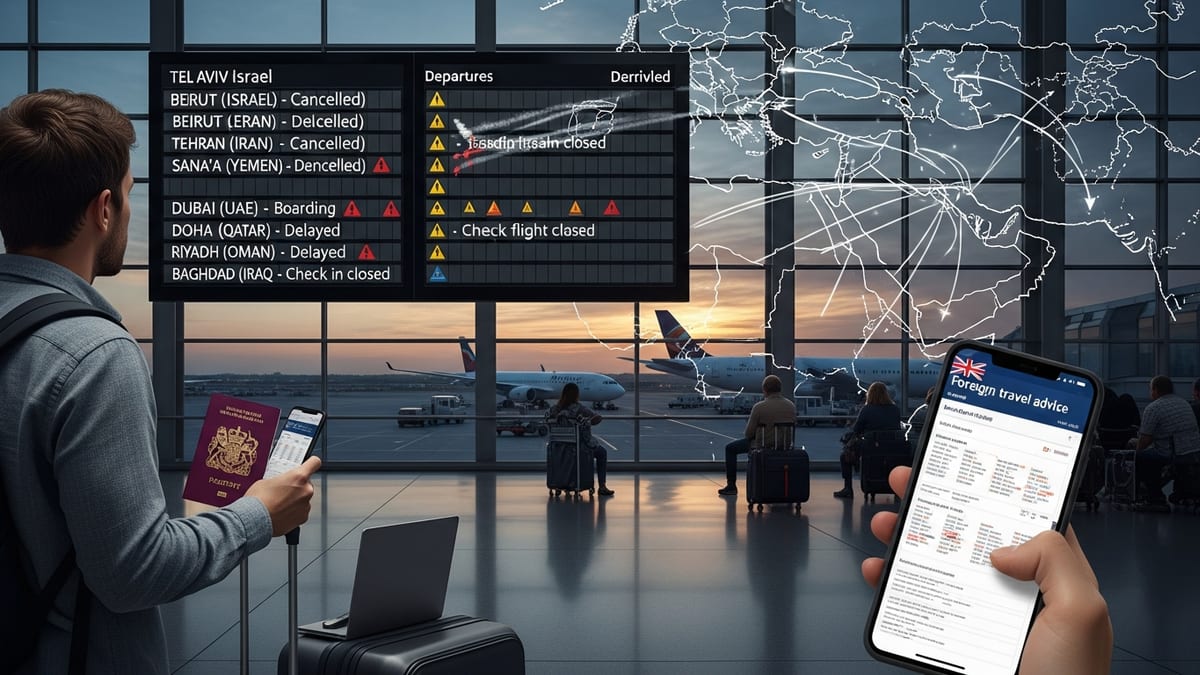
Updated UK guidance highlights risk of unrest
Recent changes to the Foreign, Commonwealth and Development Office (FCDO) travel advice for Italy, published on 21 October 2026, draw attention to a period of civil unrest linked to nationwide protests and strikes. Publicly available government information notes that large demonstrations have been taking place in major urban centres, with some incidents escalating into clashes between protesters and police.
The revised guidance continues to rate Italy as a destination where most visits are trouble free, but it now stresses that protests can turn confrontational and that British visitors should keep away from any marches or gatherings. The wording reflects wider concern about the potential for sudden crowd movements, use of riot-control measures and temporary loss of access to busy central districts.
Travel risk assessments produced by international security and corporate travel providers describe protests around transport hubs, historic squares and government buildings, particularly in cities such as Rome, Milan, Turin, Bologna and Naples. These reports indicate that while many events remain peaceful, there have been instances of property damage, street blockades and outbreaks of looting in some locations.
UK guidance also points out that public order operations may be highly visible, with helmeted riot police, armoured vehicles and, in some cases, curbs on movement around sensitive sites. Visitors are advised to follow local announcements, remain flexible with plans and avoid attempting to cross police lines or enter cordoned streets, even if this affects access to attractions or accommodation.
How current unrest is affecting Italian cities
Information compiled from European media and security briefings identifies 16 October 2026 as the start of a new wave of Italian unrest, with coordinated demonstrations and strikes across multiple regions. Coverage describes marches in Rome around Piazza Venezia and Via del Corso, large gatherings in Milan’s Piazza Duomo, and roadblocks on key routes in and out of several regional capitals.
Photographs and video from recent days show burning rubbish containers, makeshift barricades and smashed shopfronts in parts of Milan, Turin and Bologna during night-time clashes. In some areas, police have used tear gas and baton charges to disperse crowds after groups broke away from authorised protest routes. These incidents have remained localised but have caused significant disruption to traffic, tram services and access to rail stations for several hours at a time.
In southern regions, separate but related industrial and transport protests have led to blockades of logistics hubs and motorway toll booths. A statement from the Romanian Ministry of Foreign Affairs on 21 October highlighted rolling protests by road hauliers in Campania, Apulia, Calabria and Sicily, warning of congestion and delays on key arterial roads until at least 27 October 2026. Travellers heading to ports, airports or popular coastal destinations in these regions face the possibility of longer journey times and short-notice route changes.
Alongside street demonstrations, unions have called periodic national strike days in transport and public services. Corporate travel bulletins flag planned protest dates as focal points for wider unrest, particularly in Rome and Milan, where marches often converge on central squares and government districts. On such days, visitors may encounter reduced metro frequencies, cancelled regional trains and congested streets around historic centres.
Practical advice for British holidaymakers and business travellers
For British nationals with upcoming trips, the FCDO advises checking its Italy page frequently before departure and during a stay, as advice can change at short notice when protests intensify or spread to new locations. Travellers are encouraged to sign up for email updates from official channels and to keep contact details for the British Embassy in Rome and the Consulate General in Milan readily available in case of emergencies.
On the ground, publicly available guidance from European and international travel safety services recommends avoiding all demonstrations and large political gatherings, even if they appear calm. Crowds can swell rapidly, and situations may deteriorate with little warning. Visitors are urged to move away at the first sign of tension, such as the arrival of large numbers of police in protective gear, the sound of fireworks or firecrackers being thrown, or the appearance of individuals covering their faces.
Those planning to travel between cities are advised to allow more time than usual to reach stations and airports. Disruptions have been reported around central rail terminals in Rome and Milan during major protest days, and road closures can cause taxis and rideshare vehicles to divert at short notice. Travel management companies suggest keeping tickets and booking confirmations accessible offline and monitoring live service updates for Trenitalia, Italo and local transport operators on the day of travel.
Hotels in central districts may remain open and operating normally even as protests take place nearby. However, visitors might find that some streets become inaccessible or that usual walking routes pass close to demonstration areas. Current safety briefings recommend asking accommodation staff about alternative routes, keeping valuables secure, and avoiding filming confrontations at close range, which can draw unwanted attention.
Key hotspots and timings to watch
Analysis of recent protest patterns across Italy indicates that marches and rallies most often occur in late morning or late afternoon, sometimes continuing into the evening. Central squares, main shopping streets and areas around railway stations are frequent gathering points, particularly at weekends or on pre-announced national action days.
In Rome, reports highlight recurring gatherings near Piazza Venezia, Piazza del Popolo and around key government buildings, with occasional spillover impacts on access to the Colosseum area and nearby metro stations. In Milan, Piazza Duomo and surrounding commercial streets have seen some of the largest crowds, with tram and bus routes temporarily curtailed when tensions flare.
Travel risk bulletins also note incidents in Turin, Bologna and Florence, where student marches and union rallies have passed through central historic districts. While many of these events remain peaceful, there have been isolated cases of vandalism and confrontations when small groups broke away from the main body of protesters. Visitors who find themselves approaching chanting crowds or lines of police vehicles are advised to turn back and choose a different route.
In the south, motorway access to cities such as Naples, Bari and Palermo has been affected at times by road haulier protests and slow-moving convoys of trucks and tractors. While these actions are generally targeted at freight corridors, knock-on effects can disrupt transfers for holidaymakers heading to airports, cruise terminals and coastal resorts, particularly during the morning rush and early evening periods.
Balancing travel plans with heightened awareness
Despite headline-grabbing images of unrest, current advisories from the United Kingdom and several other European governments do not recommend cancelling travel to Italy outright. The overall assessment continues to class the country as a popular destination where the primary risks for visitors relate to localised protests, transport disruption, petty crime and the general possibility of terrorist incidents that exists across much of Europe.
Prospective visitors are instead encouraged to weigh their own risk tolerance and to build flexibility into itineraries. Suggestions in widely shared travel guidance include allowing extra time between connections, booking refundable or changeable tickets where possible, and avoiding itineraries that depend on precise timing through areas recently affected by unrest.
For travellers already in Italy, simple precautions can reduce exposure to disorder. These include keeping friends and family informed of daily plans, storing copies of important documents securely in the cloud, and having a basic plan for returning to accommodation if public transport is disrupted. Many travel advice resources also recommend carrying a small amount of cash in case card terminals are unavailable during short-term power or network outages linked to protests.
Public information from European foreign ministries consistently stresses that most visitors to Italy continue to enjoy their trips without incident. The current UK warning serves primarily as a reminder to stay informed, steer clear of crowds and treat visible signs of unrest as cues to adjust plans, rather than as a reason to abandon travel altogether.