


More news on this day
European rail operators suffered revenue losses of around €26 billion in 2020 as the Covid-19 pandemic emptied trains and disrupted freight, according to new analysis from the Community of European Railway and Infrastructure Companies (CER).
Get the latest news straight to your inbox!
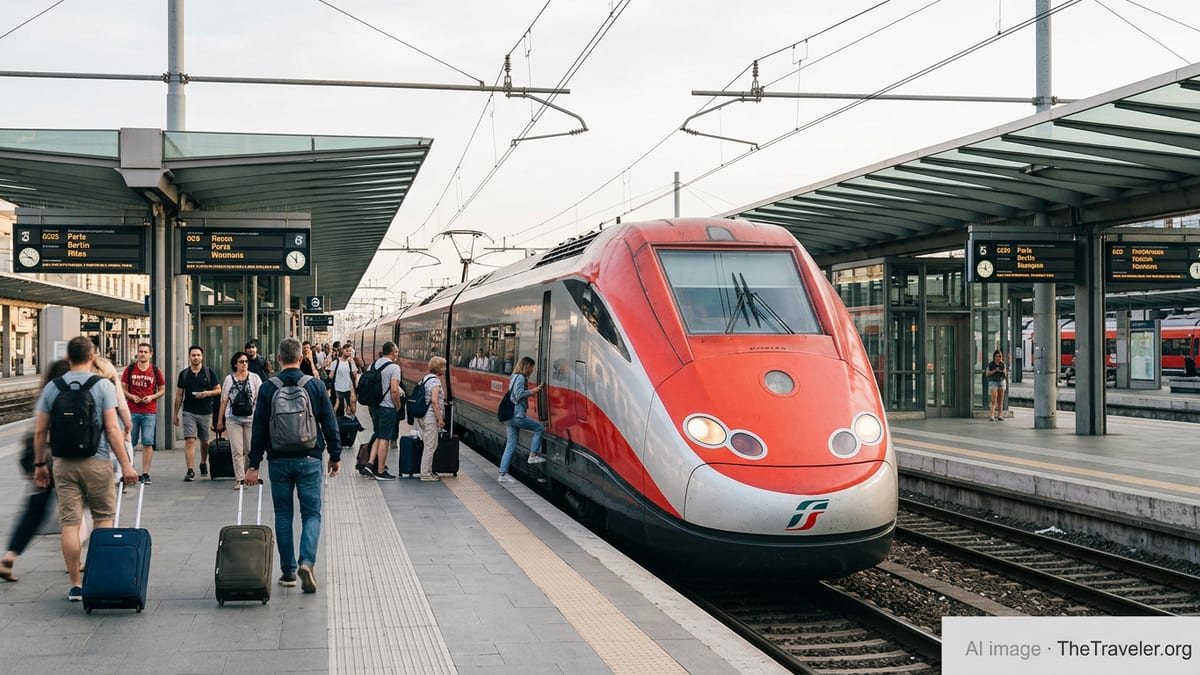
A historic shock to Europe’s rail revenues
Published figures from CER indicate that railways in the European Union lost roughly €26 billion in revenue across passenger and freight services in 2020 compared with 2019. The data, collected from member companies across the bloc, presents one of the clearest pictures so far of how deeply the pandemic hit a sector widely seen as central to Europe’s green transport ambitions.
Passenger rail services absorbed the vast majority of the impact, accounting for about €24 billion of the losses, with revenue falling by around 41 percent year on year. Lockdowns, remote working and international travel restrictions combined to erase substantial portions of commuter, business and leisure traffic for much of the year. The collapse was only briefly interrupted by a modest rebound in demand during the summer of 2020, when some restrictions were eased.
Freight services weathered the crisis somewhat better but still registered a revenue decline of about €2 billion, or roughly 12 percent. Disrupted supply chains, reduced industrial production and shifting trade flows all contributed to weaker volumes. While freight operations generally continued running to keep goods moving, pricing pressures and operational challenges weighed on income.
Sector observers note that such figures are unprecedented in the modern history of European rail, where traffic had been slowly recovering its share of the transport market before the pandemic struck.
Passenger collapse and fragile freight resilience
The steep fall in passenger traffic stemmed from both regulatory restrictions and voluntary behavior. Publicly available information shows that successive national lockdowns and curbs on cross-border travel sharply limited the ability of people to move, while many potential travelers chose to avoid public transport due to health concerns. High speed and long distance services, which rely heavily on discretionary and business travel, were among the hardest hit segments.
Local and regional services also suffered as large numbers of workers shifted to remote or hybrid arrangements. In several major cities, demand for peak-hour commuter trains fell far more than overall averages, reducing ticket revenues while fixed costs for staffing and infrastructure remained largely unchanged.
Freight rail, by contrast, benefited from its role in maintaining essential supply chains, and in some corridors even gained share from road transport when border controls or driver shortages disrupted trucking. However, lower industrial output in sectors such as automotive and heavy manufacturing, combined with volatility in international trade, meant that higher volumes on some routes did not fully offset losses elsewhere.
CER’s data suggests that the relative resilience of freight helped limit overall revenue damage, but not enough to significantly change the headline figure of €26 billion lost in 2020.
Financial pressure and the role of public support
The scale of the revenue shock has left many European rail operators facing heightened financial pressure. Railways are capital-intensive businesses with high fixed costs, from maintaining tracks and stations to servicing rolling stock and signaling systems. When passenger numbers collapsed, these costs could not be rapidly reduced, magnifying the impact on balance sheets.
According to published coverage from industry bodies and trade media, a range of national measures was introduced to cushion the blow. These included temporary compensation for lost revenues on public service routes, reductions in track access charges and targeted aid to maintain critical services. The European Commission also adjusted state aid rules to provide governments with more flexibility to support rail companies during the crisis.
Analysts note that without such interventions, the contraction in services could have been far more severe, potentially undermining long term goals to shift passengers and freight from road and air to rail. Even with support, several operators reported significant operating losses and increased debt, raising questions about how quickly they can return to pre pandemic investment levels.
Industry discussions now focus on ensuring that emergency measures evolve into sustainable funding frameworks that reflect rail’s wider social and environmental benefits, rather than treating the crisis as a one off anomaly.
Recovery prospects and long term challenges
CER’s subsequent Covid Impact Tracker data for 2021 indicates that losses did not end with the initial pandemic year, with cumulative revenue shortfalls for 2020 and 2021 reaching around €50 billion across the EU rail sector. While passenger numbers began to recover as restrictions eased, they remained well below 2019 levels in many markets, prolonging financial strain.
Current policy debates in Brussels and national capitals increasingly link rail recovery to broader climate and energy objectives. Rail is widely recognized as one of the lowest carbon modes for both passengers and freight, and European strategies for cutting emissions depend on a substantial shift away from higher polluting transport. The pandemic related losses have therefore intensified calls from industry groups for consistent, long term investment in rail infrastructure and rolling stock.
At the same time, operators face structural challenges that predate Covid, including capacity bottlenecks on key corridors, fragmented national rules and competition from low cost airlines and road haulage. Recovery plans discussed in public forums emphasize digitalization, improved cross border ticketing and continued modernization of networks as essential steps to attract passengers back and make rail more competitive.
How quickly operators can rebuild their finances after the €26 billion shock of 2020 will influence the pace of that transformation, and, ultimately, whether Europe can deliver on its ambition to make rail the backbone of a more sustainable transport system.