


More news on this day
Charlotte Douglas International Airport faced a fresh bout of disruption as a concentrated wave of 12 cancellations and 186 delays snarled operations for American Airlines, Delta Air Lines, and Southwest Airlines, stranding passengers across one of the country’s busiest hub airports.
Get the latest news straight to your inbox!
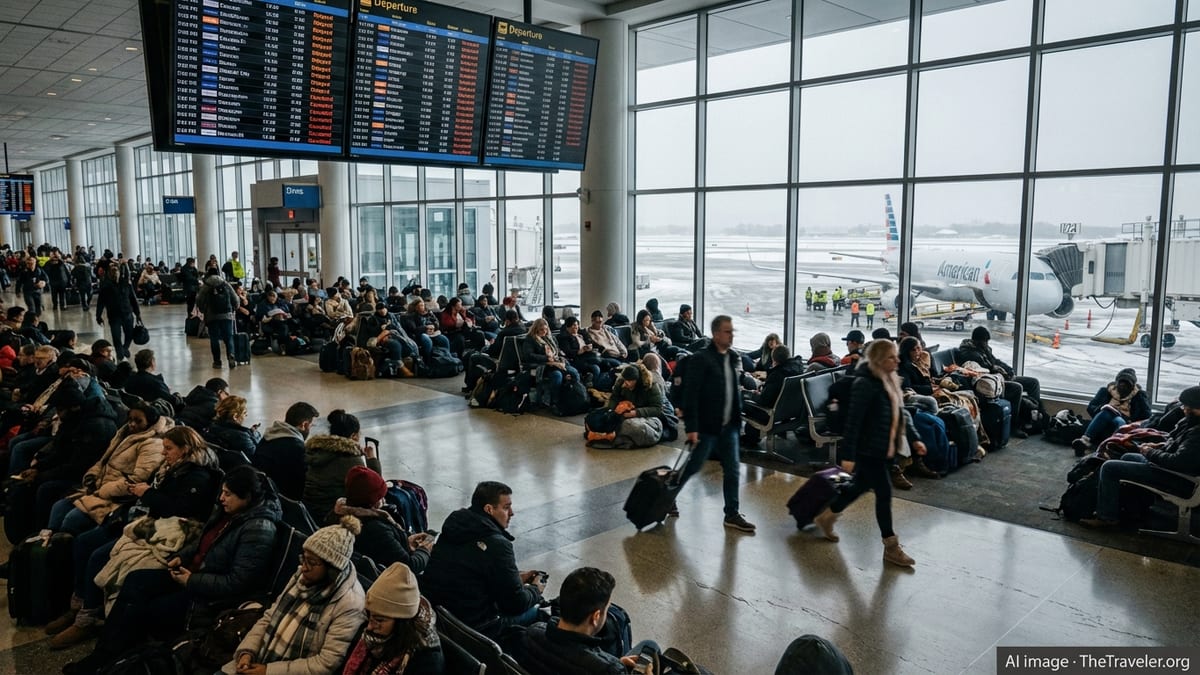
Major Hub Buckles Under Concentrated Disruptions
Publicly available delay boards and third-party tracking data for Charlotte Douglas International Airport on June 15 indicate an intense, short-window operational breakdown that rippled across domestic routes. The disruption, while smaller in scale than some previous nationwide meltdowns, was severe enough to bring parts of the schedule to a standstill and trigger a cascade of missed connections.
Charlotte Douglas functions as a fortress hub for American Airlines, which operates the majority of departures and arrivals at the airport. Delta and Southwest maintain smaller but strategically important schedules linking Charlotte to their own hubs and focus cities. When irregular operations hit a hub where one carrier dominates, even a handful of cancellations can quickly multiply into dozens of downstream delays, and that dynamic played out once again in Charlotte.
Tracking sites that aggregate flight-status information showed 12 cancellations anchored largely in domestic short- and medium-haul routes, alongside 186 delayed departures and arrivals. The pattern fits a broader seasonal trend reflected in recent federal consumer air travel reports, which document elevated delay minutes and tarmac times at major hubs when storms or staffing constraints collide with peak schedules.
While the precise mix of causes for each Charlotte flight varied, operations experts often point to the cumulative effect of weather cells en route, air-traffic-management programs in other regions, and tight aircraft and crew rotations. Even when the local weather appears manageable, disruption upstream on aircraft inbound to Charlotte can leave gates without planes and crews out of legal duty time.
American Airlines Bears Brunt as Hub Carrier
American Airlines absorbed the largest operational hit, reflecting its outsized presence at Charlotte. The carrier’s hub structure is designed to funnel passengers from smaller cities through CLT to major business and leisure destinations, which means any disruption quickly affects multiple spokes.
Published performance snapshots for recent days show American’s Charlotte operations shouldering the majority of both cancellations and delays during the most recent disruption, echoing patterns seen in earlier events where the airline’s hubs experienced weather or air-traffic constraints. When several departures are scrubbed or significantly delayed at once, rebooking pressure intensifies on remaining flights and seats vanish quickly, leaving many passengers facing overnight stays or forced reroutes through other hubs.
Consumer data from the U.S. Department of Transportation has highlighted American’s Charlotte flights in past reports for extended tarmac delays, underscoring the operational tightrope airlines walk at constrained hubs. When the system begins to back up, aircraft can be left waiting for gates, ramp space, or release slots from air-traffic control, further compounding the frustration for travelers on board and those still in the terminal.
For passengers, the immediate impact often shows up as rolling departure times on apps and airport screens, followed by long lines at service desks once it becomes clear that original connections are no longer viable. In a hub like Charlotte, where many itineraries hinge on narrow connection windows, the effect of even a 60 to 90 minute delay can be outsized.
Delta and Southwest Hit on Key Connecting Routes
Delta Air Lines and Southwest Airlines, while far smaller than American at Charlotte, also faced significant disruption as part of the same operational crunch. Both carriers rely on CLT to feed traffic into their respective networks, and delays there can complicate aircraft and crew flows into other hubs.
Delta’s schedule at Charlotte primarily links travelers to its major hubs, including Atlanta and northern gateways. When delays and cancellations accumulate at CLT, it can disrupt onward connections into the broader Delta system, particularly for business travelers heading to secondary markets on tight same-day schedules.
Southwest, operating point-to-point routes that connect Charlotte to cities in its national network, is particularly sensitive to aircraft rotations. When an inbound aircraft arrives late or is canceled, it can eliminate not only that departure but also subsequent segments scheduled to use the same plane. Operational summaries in recent months from several U.S. airports highlight how a relatively modest number of schedule changes on Southwest can still leave hundreds of passengers scrambling for alternatives.
The latest Charlotte episode fits a wider pattern seen across U.S. airports in 2026, where multiple hubs have reported localized meltdowns on different days. At other major gateways, similar clusters of delays and cancellations for these same airlines have been tied to storm systems sweeping across key corridors, leaving carriers to juggle recovery flights, reposition crews, and manage aircraft availability.
Broader Summer Vulnerabilities Exposed
The Charlotte disruption underscores structural vulnerabilities in the U.S. air travel system as summer traffic ramps up. High load factors, tightly timed bank structures at hub airports, and ongoing staffing and maintenance pressures limit the room airlines have to absorb irregular operations without significant passenger impact.
Industry watchers note that when a storm line or air-traffic constraint strikes at the wrong moment in a banked schedule, a hub can lurch from smooth operations to apparent meltdown in a matter of hours. Because Charlotte is deeply integrated into American’s national network and strategically used by Delta and Southwest, even brief choke points can propagate far beyond North Carolina.
Regulatory and consumer data in recent years show rising scrutiny of how carriers categorize delays and cancellations, particularly when weather, staffing, and scheduling all play a role. For travelers, the distinction often matters less than the practical question of when they will reach their destination and whether they will receive any assistance with meals, lodging, or rebooking.
Analysts expect that as the peak summer season unfolds, hub airports such as Charlotte will continue to experience episodic stress events, especially on days when weather affects multiple regions at once. That environment increases the likelihood that passengers on American, Delta, and Southwest will encounter further disruptions even if individual flights appear on time at the point of booking.
Passengers Face Tough Choices on a Fragile Day
For travelers caught in Charlotte during the latest meltdown, the combination of 12 cancellations and 186 delays translated into long waits, packed gate areas, and difficult decisions about whether to hold out for rebooked seats or abandon same-day travel altogether. With many flights operating close to full, re-accommodating disrupted passengers within the same day becomes increasingly challenging as the day wears on.
Airline guidance in similar events typically urges travelers to rely on mobile apps and websites for rebooking, rather than standing in physical lines at the airport. However, when the number of disrupted passengers climbs quickly, digital channels can also become congested, leading to error messages or long hold times for call centers.
Travel advocates often recommend that passengers transiting congested hubs build in longer connection windows during peak seasons and keep a close eye on inbound aircraft and weather patterns, especially when flying through airports with a history of acute disruption. In a complex network centered on key hubs like Charlotte, even a relatively modest cluster of cancellations and delays can be enough to derail carefully planned trips.
The latest wave of disruption at Charlotte Douglas International Airport will likely feed into ongoing debates about capacity, scheduling resilience, and the responsibility airlines carry when operations falter. For now, the day’s 12 cancellations and 186 delays serve as a pointed reminder of how quickly travel plans can unravel when a major hub stumbles.