


More news on this day
Drivers headed to Des Moines International Airport this month are being urged to plan for extra time, as temporary lane reductions and nearby road closures are expected to slow traffic around the terminal area.
Get the latest news straight to your inbox!
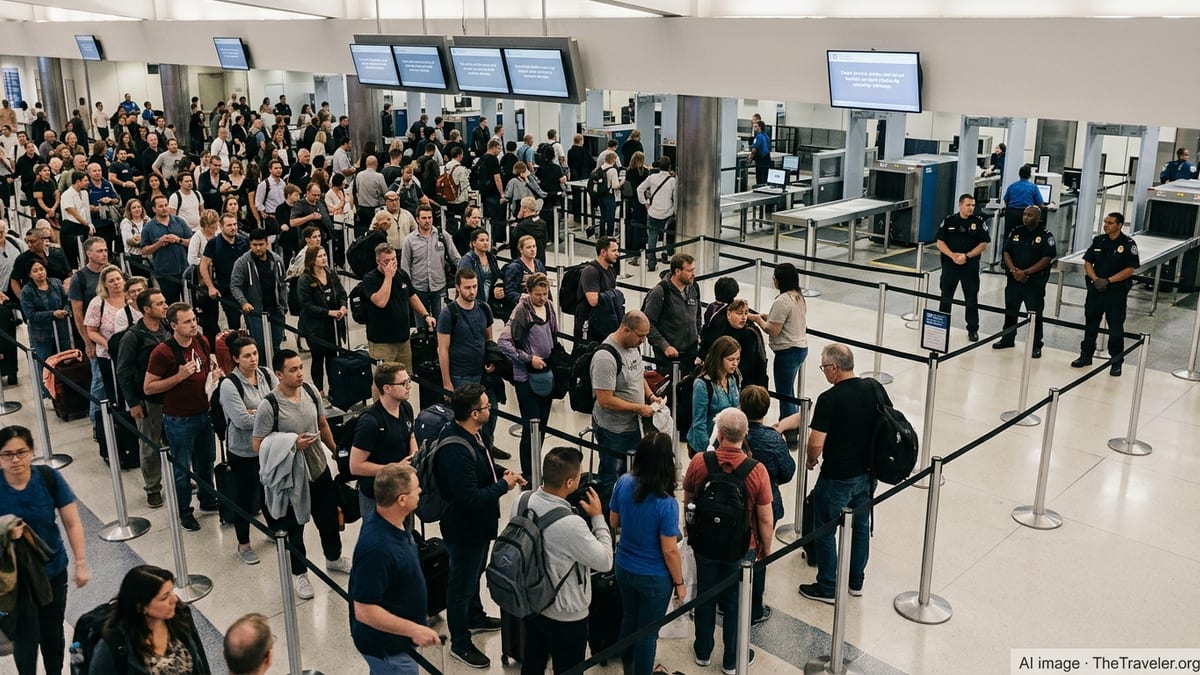
Terminal curb lanes narrowed to a single through lane
Published coverage from local broadcasters indicates that curbside access at Des Moines International Airport is being reduced to a single active traffic lane for roughly two weeks starting June 15. The changes affect the main terminal frontage area, where vehicles typically circulate for passenger drop-off and pickup. One lane will remain available for moving traffic, while adjacent space is reserved for construction activity and staging.
The airport describes the work as part of a broader modernization effort tied to a new terminal and related roadway system. With heavy summer travel already underway, the tighter curb layout is expected to create periodic bottlenecks, particularly during early morning departures and late afternoon arrivals when flights are heaviest.
Publicly available reports note that the lane reduction is temporary, but will remain in place long enough to affect both weekday business travel and peak leisure demand later this month. Travelers using rideshares, taxis and hotel shuttles are likely to feel the impact most directly, since these services rely on quick curbside turnovers.
Airport information suggests that ground transportation operators have been advised of the changes, but individual passengers arriving in personal vehicles may be caught off guard if they are not aware of the new traffic pattern before reaching the terminal loop.
Frontage Road closure to last into late summer
In addition to the curbside restrictions, a portion of Frontage Road between the Blue Parking Lot and the Cell Phone Waiting Lot is slated to close for about two months beginning June 15, according to regional news reports. That closure removes a commonly used connector that allows drivers to circulate between parking areas without reentering the main terminal access road.
The affected segment sits just outside the core terminal loop, serving both public parking and staging areas for drivers waiting to pick up arriving passengers. With that option unavailable, more vehicles are expected to funnel onto the primary access roads, where they will interact with the narrowed curbside lanes.
Airport planning documents and recent industry coverage show that Des Moines International is in the midst of a multiyear, roughly 600 million dollar capital program that includes a new passenger terminal, expanded parking and reconfigured landside roads. The Frontage Road closure is described as enabling preparatory work for future phases of that expansion, including utility adjustments and site grading.
While the closure is temporary, the two month duration means it will overlap with several busy travel periods, including late June events in downtown Des Moines and the height of family vacation season in July. Drivers accustomed to using the cell phone lot as a pressure valve for terminal congestion may find that reaching it requires a longer, less direct route.
Construction linked to new terminal and roadway system
Engineering and construction industry reports outline how the current disruptions fit into a larger redesign of Des Moines International Airport’s landside layout. Plans call for a new terminal constructed on the southeast side of the airfield, along with a new parking garage, realigned access roads and improved connections between parking, rental cars and passenger check-in.
According to this publicly available material, early site work for the terminal program has required incremental adjustments to existing roads and parking lots, including short term lot changes and staged closures of segments like Frontage Road. Each step is intended to keep the present terminal operational while gradually shifting traffic patterns toward the future configuration.
Trade publications tracking the project note that this phase is focused on preparing for a more substantial build-out later in 2026, when additional demolition and foundation work will occur. That timeline increases the likelihood of intermittent lane closures around the airport throughout the year as crews move between work zones.
Although the immediate changes this month are relatively modest compared with the long term transformation, they illustrate how large airport capital projects can have noticeable day to day effects on passengers long before new facilities open to the public.
What travelers can expect at the curb and on the roads
With the combination of a one lane curbside zone and a closed Frontage Road link, drivers should anticipate slower circulation and more stop and go movements around the terminal entrances. When traffic volumes spike, backups could extend onto the approach roads as vehicles queue to enter the reduced lane area.
Publicly available information from the airport and media coverage advise travelers to factor in additional travel time, particularly during the morning hours when departures cluster, and during weekend peaks driven by leisure demand. Arriving passengers may also experience longer waits for rideshare pickups if drivers are delayed reaching the terminal curb.
Short term parking and the cell phone waiting lot remain available, but with altered access due to the Frontage Road closure. Motorists who typically rely on habitual routes between these facilities may need to pay closer attention to new wayfinding signs and construction cones guiding them along detours.
Local travel reports suggest that traffic patterns will be monitored during the work period, and adjustments to signage or staging could occur if congestion proves more severe than anticipated. For now, the key message to drivers is to avoid last minute arrivals and to allow for potential delays when planning airport trips.
Tips for minimizing disruption during the closure period
Transportation advisories for similar airport projects around the country highlight a few practical steps that can reduce stress when lanes are restricted. For Des Moines International, the most significant is simply to arrive earlier than usual, building in extra time for unexpected slowdowns on the approach roads and at the curb.
Travelers may also benefit from shifting more of the trip to parking facilities rather than relying solely on curbside space. Using the airport’s parking lots and walking or shuttling to the terminal can decrease the number of vehicles circulating through the single active lane at the front of the building.
Drivers picking up arriving passengers can continue to use the cell phone waiting lot, but should review updated directions before heading to the airport to understand how the Frontage Road closure changes access. Coordinating via mobile phone to avoid entering the terminal loop until passengers are at the curb can further reduce congestion.
Published information about the Des Moines terminal expansion underscores that construction around the facility will be a recurring feature over the next several years. For travelers, staying informed about short term changes and building in a modest time cushion this month could help ensure that new lane closures translate into only minor inconveniences rather than missed flights.