


More news on this day
A New York City subway cleaning train caught fire and sent smoke through a Manhattan tunnel, injuring 12 people and causing significant service disruptions as emergency crews responded and transit officials began reviewing maintenance operations.
Get the latest news straight to your inbox!
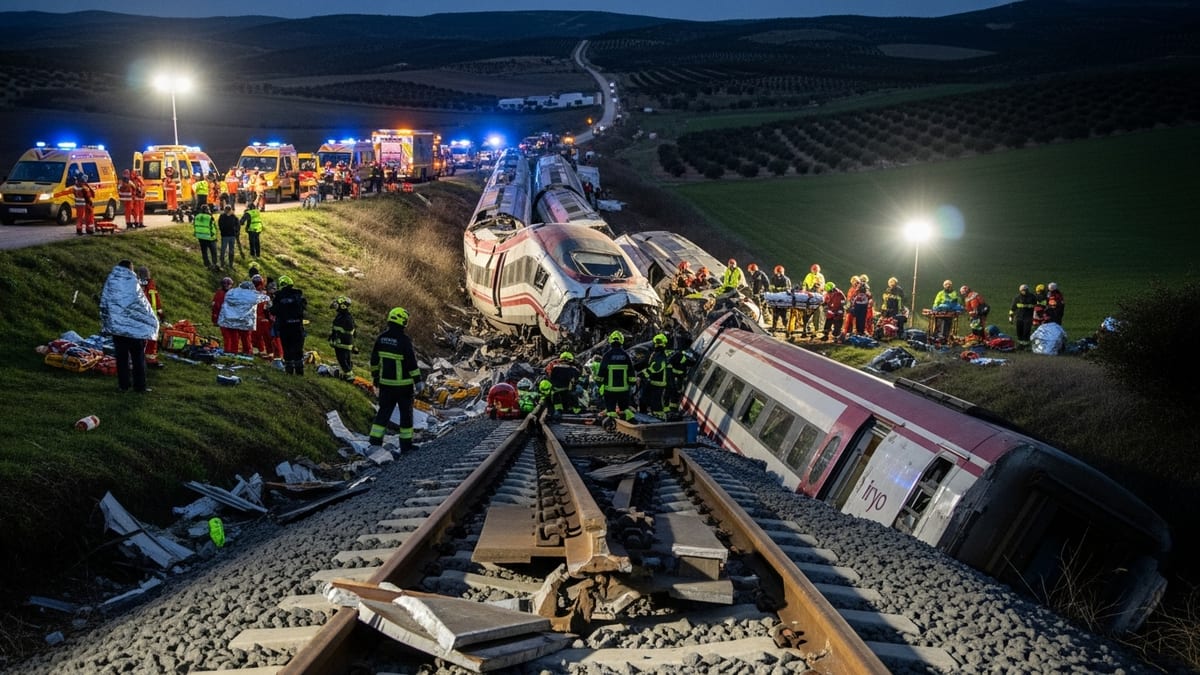
Fire Aboard Cleaning Train Prompts Emergency Response
Published coverage indicates that the incident involved a work train used for cleaning tracks and infrastructure, which was operating in a tunnel section of the New York City subway when a fire broke out on board. Reports describe smoke quickly filling parts of the tunnel and nearby stations, prompting an immediate halt to train traffic in the area and triggering a large emergency response.
According to news accounts, twelve people suffered injuries linked to the fire and smoke, including transit workers and individuals in the affected area. Most injuries were described as non life threatening, with people evaluated for smoke inhalation and minor trauma. All of the injured were transported to local hospitals or treated at the scene.
Public information released so far indicates that the fire was brought under control within a relatively short period, but lingering smoke and safety checks extended the disruption. Power was cut to sections of track while crews worked in the tunnel, and regular subway trains were rerouted or held outside the affected zone.
While full technical details have not yet been released, preliminary descriptions suggest that the fire originated on the cleaning consist itself, rather than in station structures or passenger equipment. Investigators are expected to review on board systems, electrical components and any combustible materials carried for cleaning or maintenance.
Impact on Subway Service and Passenger Travel
The fire on the cleaning train led to cascading delays across multiple subway lines as dispatchers worked to move passenger trains away from the affected tunnel and to protect the work zone. Riders reported crowded platforms, extended waits and sudden service changes as trains were rerouted or turned back before entering the incident area.
In the immediate aftermath, some lines experienced partial suspensions or significant slowdowns during a busy period for commuters and visitors. Announcements directed riders to alternative routes and other lines where possible, but bottlenecks developed at key transfer stations as people attempted to adjust their trips in real time.
Travelers heading to and from major Manhattan destinations faced the brunt of the disruption. Visitors relying on the subway to reach hotels, theaters and tourist sites encountered delays and last minute route changes, while some opted for buses, taxis or ride hail services to continue their journeys.
Reports indicate that service gradually resumed after emergency crews completed initial inspections and ventilation, though residual delays continued for some time. Transit alerts advised riders to allow extra travel time and to check live service information before heading into the system.
Focus on Work Trains and Tunnel Safety
The incident has drawn attention to the safety of non passenger trains that operate regularly in the New York City subway system, including cleaning, inspection and maintenance equipment. These trains run in close proximity to passenger services, often during off peak hours, and carry specialized machinery, electrical gear and sometimes flammable materials used in routine work.
Publicly available information about past subway incidents shows that fires in tunnels can rapidly generate heavy smoke, complicating evacuations and creating dangerous conditions even when flames are limited. As a result, any event involving a work train fire is likely to prompt a detailed review of procedures, equipment standards and training for both transit staff and emergency responders.
Transit safety specialists note that cleaning trains play an important role in keeping tracks and tunnel spaces clear of debris that can itself pose fire risks. However, the combination of electrical systems, mechanical equipment and stored materials requires careful controls to reduce the chance of overheating, short circuits or accidental ignition.
Investigators are expected to examine maintenance records for the cleaning train, recent repair history, and any previous reports of overheating or electrical issues. They are also likely to review how debris and cleaning chemicals were stored and secured on board at the time of the fire.
Injuries and Medical Response
Reports from the scene indicate that the twelve people injured in the incident were affected primarily by smoke inhalation and minor physical injuries related to evacuation in low visibility conditions. Some individuals were transported to area hospitals for further evaluation, while others were assessed and treated at staging areas near the affected stations.
Standard subway emergency protocols call for establishing triage locations at street level, where medical personnel can assess passengers and workers exiting the tunnel. In this case, people leaving the affected area encountered smoke that had traveled through station passages, stairways and ventilation shafts, making rapid assessment and fresh air access a crucial part of the response.
Available information suggests that none of the injuries were immediately classified as life threatening. However, smoke exposure in confined spaces can have delayed effects, so medical teams typically advise patients to seek further care if symptoms such as shortness of breath, chest pain or dizziness develop after they leave the scene.
The incident again highlights the importance of clear announcements and guidance during subway emergencies, particularly for travelers who may not be familiar with station layouts or evacuation routes. Visible staff presence, clear signage and calm crowd management are key elements in limiting injuries during events involving smoke or fire.
Questions About Infrastructure, Inspections and Traveler Confidence
The fire on the cleaning train is expected to renew discussions about infrastructure investment and maintenance practices across the New York City subway network. While work trains are designed specifically to support upkeep and safety, an incident of this nature raises broader questions about the condition of tunnels, electrical systems and emergency readiness.
Transit advocates often point to the age of the network, the volume of daily ridership and the demands of around the clock operations as ongoing challenges for inspection routines and capital upgrades. When a specialized maintenance train experiences a fire serious enough to injure a dozen people, calls for detailed reviews of equipment standards and oversight typically follow.
For travelers, particularly those visiting New York, such events can temporarily erode confidence in the reliability of the subway system. Nonetheless, published data on major incidents suggests that serious fires and large scale injuries remain relatively rare compared with the huge number of daily trips. Clear communication about the causes of the fire, the steps taken to prevent a recurrence and any changes to cleaning operations will be important for reassuring riders.
In the coming days, additional information from investigations and internal reviews is expected to clarify how the fire began, whether any mechanical or procedural failures were involved and what adjustments may be implemented. Travelers and residents alike will be watching closely for updates on both the technical findings and any resulting changes to subway maintenance practices.