


More news on this day
Operations at Cleveland Hopkins International Airport have resumed after an early-morning security matter prompted a temporary pause in airfield activity, briefly disrupting departures and arrivals during a busy travel period.
Get the latest news straight to your inbox!
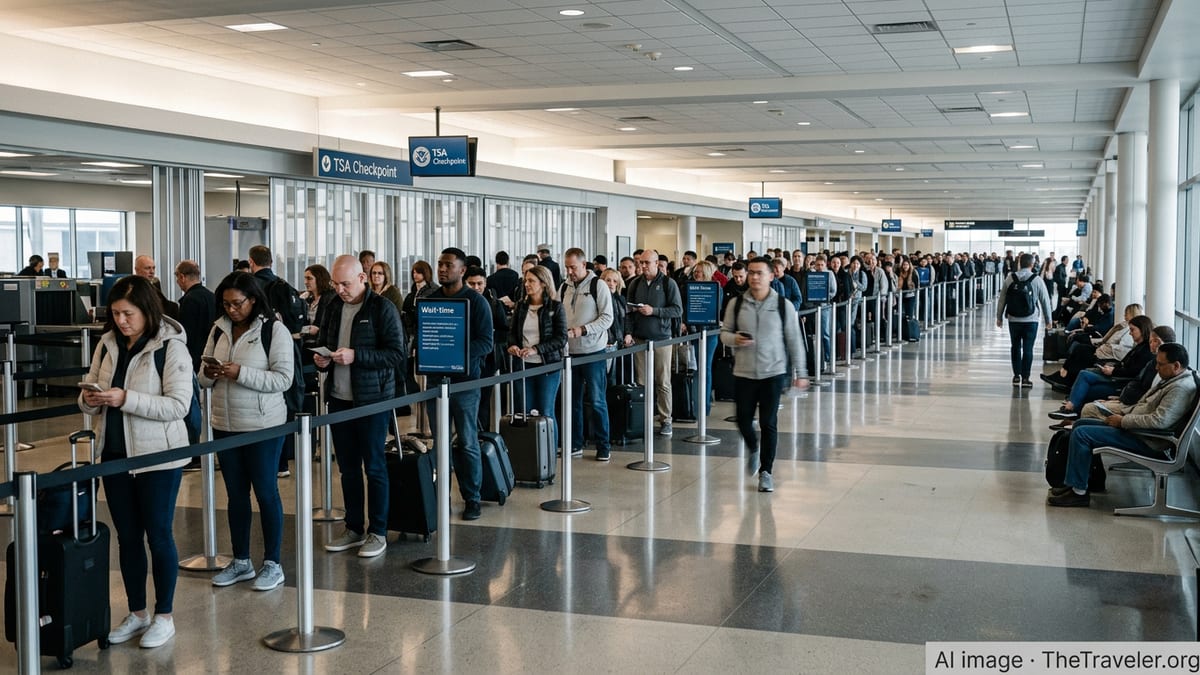
Brief pause on August 28 tied to security matter
Publicly available information indicates that Cleveland Hopkins International Airport paused airfield operations on the morning of Friday, August 28, 2026, in response to what the airport described as a security matter affecting the airfield. Coverage of the incident notes that airport security and law enforcement conducted a sweep of restricted areas before flights were allowed to depart or land again.
Reports compiled by regional outlets describe the event as a precautionary shutdown rather than a prolonged emergency. Initial alerts referenced a security matter on or near the airfield, prompting an immediate stop to movements involving arriving and departing aircraft while the situation was evaluated.
Subsequent summaries of the incident state that the pause lasted for roughly an hour in the core early morning window, when many business and connecting flights typically depart from Cleveland. During that period, aircraft already on the ground remained parked or held at gates, and some inbound flights experienced short holding patterns or diversions while the sweep was underway.
Information highlighted in aviation and local news coverage indicates that the trigger for the pause involved a person in a restricted airfield area who had become separated from an authorized escort provided by an airline contractor. Under standard security protocol, that loss of visual contact required a full verification of the area before movements could resume.
Airfield activity resumes with residual delays
Once security teams and supporting agencies completed their checks, the airport publicly reported that operations had safely and fully resumed at Cleveland Hopkins. Published coverage places the resumption of normal airfield activity at around 7 a.m. local time, with airport messaging emphasizing that the affected areas had been cleared.
Flight tracking data and airline updates reviewed after the incident show that departures began to push back and taxi soon after the pause was lifted, although many left later than scheduled. Carriers adjusted departure times, reassigned gates and, in a smaller number of cases, rebooked travelers whose original early-morning connections could no longer be met.
Travel commentary and social media posts from passengers described aircraft waiting on taxiways, boarding processes placed on hold and occasional requests to deplane while the duration of the pause remained uncertain. In several instances, travelers reported that gate agents restarted boarding once information circulated that the halt to airfield activity would be shorter than some initial notices suggested.
By late morning on August 28, airline schedules into and out of Cleveland appeared to stabilize, with most ripple delays measured in minutes rather than hours. Flight status tools showed a mix of late departures and arrivals as aircraft and crew rotations were realigned following the early disruption.
How the incident fits aviation security practice
Descriptions of the August 28 event align with established aviation security procedures that apply when an individual without full clearance cannot be fully accounted for in a secured zone. Industry guidance treats such situations as potential breaches until a systematic sweep confirms that the area is secure, a process that can require briefly halting traffic on affected portions of an airfield.
Reports summarizing the Cleveland incident indicate that the person at the center of the security matter had been under escort from an airline contractor while moving through a nonpublic part of the airfield. When that escort was interrupted and the individual was no longer in direct sight, standard rules required a pause in airfield operations and a methodical search of sensitive areas until the situation was resolved.
Coverage of the response notes that the approach at Cleveland Hopkins mirrored practices seen at other commercial airports when escort procedures are not followed exactly. Short, concentrated stoppages of airfield activity are often favored over partial restrictions because they allow teams to complete their sweep more quickly and restore normal movements with clear boundaries on the affected time period.
Publicly available reports also mention that the matter remained under review in the days following the incident, including examination of how the escort separation occurred and whether additional training, contractor oversight or access controls might reduce the likelihood of a similar pause in the future.
Current operating status and guidance for travelers
As of the latest federal air traffic updates available at the end of August, Cleveland Hopkins International Airport is listed as operating normally, with only minor arrival and departure delays typical of a busy commercial hub. Real time status boards indicate that no ongoing ground stop is in place related to the August 28 security matter, and traffic in and out of the airport has returned to routine patterns.
Airport communications around the incident consistently encouraged travelers to verify their flight status directly with airlines rather than relying solely on general airport messages. That guidance continues to apply for future disruptions, since airline apps, text alerts and gate screens typically show the most specific information on estimated departure times, rebooked connections and any aircraft or gate changes.
For travelers planning upcoming trips through Cleveland Hopkins, publicly available airport planning materials point to a broader modernization and capacity program designed to manage growing passenger volumes. Recent improvements, including updates to security checkpoints and passenger circulation areas, are intended to help the airport handle peak periods more smoothly even when unexpected events occur.
Travel industry analysis of the August 28 pause suggests that, while the incident was disruptive for those flying during the affected window, its limited duration and focused scope helped contain wider knock on effects across the national air traffic system. In the days since, Cleveland Hopkins has continued to function as Northeast Ohio’s primary commercial gateway, with schedules reflecting normal seasonal demand.
Sources
AOL: Cleveland airport operations resume after pause for security matter
News 5 Cleveland: Cleveland Hopkins Airport resumes operations after brief security incident
EIN News: Cleveland Hopkins International Airport security matter coverage
FAA: Cleveland Hopkins International Airport real time status