


More news on this day
Escalating marine heatwaves and an unprecedented global coral bleaching event are eroding the coral reef ecosystems that help anchor the world’s cruise itineraries, raising fresh questions about the long-term viability of reef-focused tourism.
Get the latest news straight to your inbox!
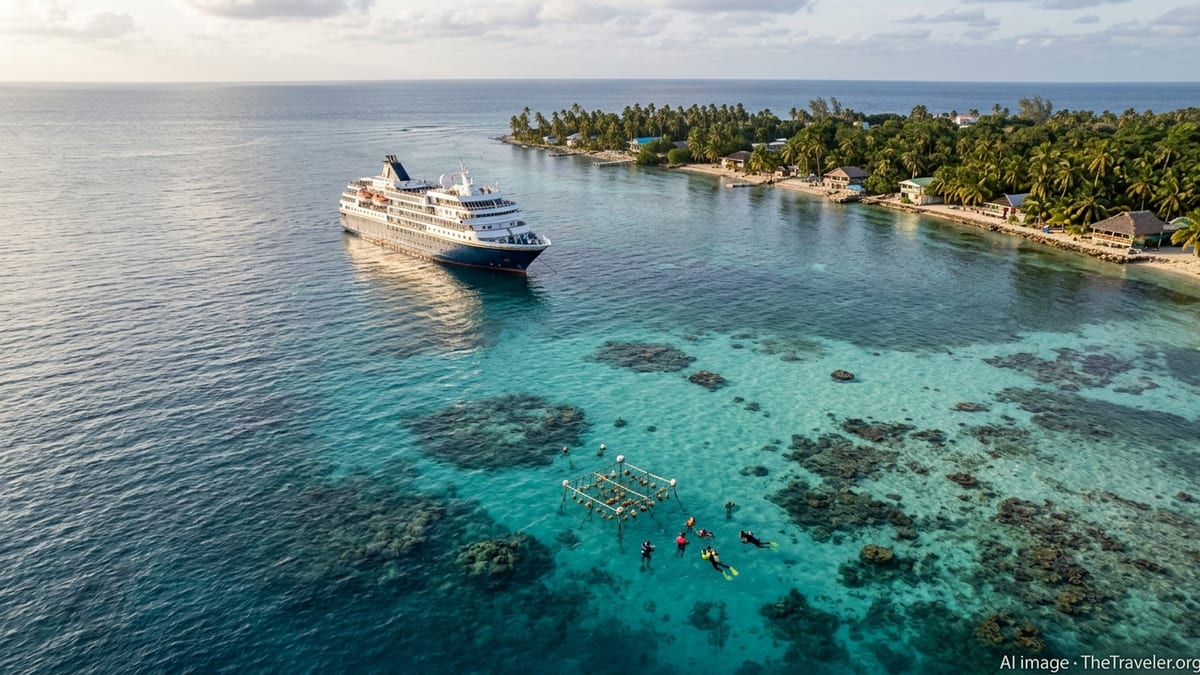
Global Heatwaves Drive Record Coral Bleaching
Publicly available satellite monitoring shows that the fourth global coral bleaching event on record unfolded from early 2023 to mid-2025, subjecting an estimated majority of the world’s shallow reefs to prolonged heat stress. Analysts at NOAA’s Coral Reef Watch program report that bleaching-level temperatures affected reefs across all major ocean basins, surpassing the spatial extent of the 2014–2017 event that had previously been considered a benchmark.
Scientific briefings indicate that by mid-2024 more than half of mapped coral reef areas had experienced heat stress associated with bleaching, with subsequent assessments suggesting that roughly four out of five coral reef ecosystems were exposed by the time conditions began to ease in 2025. Studies describe 2023 and 2024 as years of exceptional ocean warmth, with marine heatwaves pushing sea surface temperatures well beyond historical norms in regions that are central to cruise tourism.
In the Maldives, research published in 2026 documented sea temperatures above 31 degrees Celsius and heat stress levels exceeding thresholds linked to widespread coral mortality. Similar patterns have been reported on the Great Barrier Reef, where recent summers brought the most extensive bleaching yet observed across the system. These findings underscore how quickly recurrent heatwaves are undermining reefs that serve as marquee attractions for cruise lines.
Scientists describe climate change as the overarching driver, with warmer oceans increasing both the frequency and intensity of heat extremes. According to background material from NOAA’s Ocean Service, coral reefs are among the most climate-sensitive ecosystems, and repeated bleaching episodes can shift reefs from vibrant, three-dimensional structures to degraded habitats dominated by algae and rubble.
Shorter Recovery Windows Reduce Reef Resilience
Marine biologists note that isolated bleaching episodes do not automatically lead to permanent reef loss, provided corals have enough time to recover. Historically, some regions experienced major thermal stress only once every few decades, allowing surviving colonies to regrow and re-establish complex reef frameworks. Recent datasets suggest that this recovery window is rapidly shrinking as heatwaves arrive more often and linger for longer periods.
Analyses of coral cover after past bleaching events in places such as the Caribbean and Indian Ocean show that even a single severe episode can wipe out more than half of living coral on affected reefs, with full recovery taking a decade or longer in favorable conditions. When new heatwaves strike within just a few years, weakened corals face higher mortality, and juvenile corals have less time to reach reproductive maturity. This cycle is increasingly evident in heavily visited regions that depend on cruise arrivals.
Reports focused on Florida’s reefs highlight how the intense 2023 marine heatwave intersected with ongoing restoration projects. Surveys of nursery-raised corals outplanted on iconic dive and snorkel sites found widespread bleaching and mortality, even among carefully managed restoration plots. According to NOAA Climate.gov coverage, conservation teams observed that elevated temperatures arrived earlier in the season and persisted longer than in prior years, leaving limited opportunity for corals to recover between stress events.
Researchers warn that as intervals between major bleaching episodes contract, many reefs are shifting from a regime of occasional disturbance and recovery to one of chronic stress. This transition reduces the likelihood that reefs will regain the structural complexity and species diversity that underpin their tourism value, particularly for snorkeling and diving excursions marketed to cruise passengers.
Iconic Cruise Destinations Feel the Strain
From the Caribbean to the South Pacific, coral reefs form a central part of the appeal that draws cruise ships and their guests. In the Caribbean region, tourism has been estimated to contribute a substantial share of GDP, with dive and beach tourism tied closely to healthy reef systems. Earlier regional assessments indicated that large-scale coral loss could significantly reduce visitor satisfaction, disrupt local livelihoods and diminish the natural coastal protection that reefs provide.
Recent reporting from destinations such as the Florida Keys, the Bahamas and eastern Mexico describes a growing mismatch between marketing images of colorful coral gardens and the reality facing many visitors, who increasingly encounter pale or algae-covered reefs following repeated bleaching. In some cases, tour operators have shifted excursions to deeper or more remote sites in search of better conditions, increasing fuel costs and concentrating activity on the remaining resilient patches.
In the Indo-Pacific, destinations renowned for liveaboard cruising and expedition-style itineraries are also experiencing mounting pressure. Coverage from Indonesia’s Raja Ampat region, one of the world’s most biodiverse reef systems, notes that while international dive tourism remains a major draw, added stress from anchoring, sewage discharge and unmanaged visitation is compounding climate-driven damage. Local data show declines in domestic tourism and concerns about the long-term sustainability of reef-based industries.
For marquee sites including the Great Barrier Reef and the Maldives, published studies emphasize that record-breaking heat is intersecting with strong growth in marine tourism. While overall visitor numbers remain high, operators report that storm damage, coral disease and bleaching have forced the relocation or closure of some long-standing dive and snorkel locations, highlighting how ecological impacts can cascade into itinerary planning and guest experience.
Cruise Industry Faces Mounting Climate and Reputation Risks
As reefs decline, the cruise sector faces a dual challenge: the loss of key natural attractions and heightened scrutiny of its own environmental footprint. Cruise Lines International Association (CLIA) materials highlight a range of coral-related partnerships, including funding for reef restoration projects and collaborations with universities and non-profit organizations working on coral nurseries and transplantation. These initiatives are presented as part of broader climate and sustainability strategies.
At the same time, long-standing concerns persist regarding cruise emissions, waste management and localized impacts near fragile reef systems. Academic and policy literature has noted that emissions from international shipping, including passenger vessels, contribute to global greenhouse gas totals, while operational discharges and anchoring can stress nearshore ecosystems. Some lines have adopted cleaner fuels, exhaust treatment technologies and stricter waste protocols in response to tighter regulations and public pressure.
Analysts focusing on tourism and climate risk argue that the industry’s exposure runs beyond environmental reputation. If coral loss continues to accelerate, itineraries built around snorkeling, glass-bottom boat tours and reef-adjacent beaches may become less attractive, potentially depressing shore excursion revenue and weakening the economic case for certain routes. In small island states, this could translate into reduced income from port fees and onshore spending by cruise passengers.
Sector-wide climate assessments increasingly frame reef degradation as both a physical and financial risk. Loss of coral-derived sand and natural wave barriers can increase coastal erosion near cruise ports, raising infrastructure maintenance costs. More frequent extreme weather events, which are linked to warming oceans, also pose operational challenges for scheduling and safety, prompting calls for integrated climate adaptation planning across the cruise value chain.
Adaptation, Restoration and Shifting Travel Choices
In response to mounting climate pressures on reefs, a range of adaptation and restoration efforts is gaining prominence in cruise-linked destinations. Projects in the Caribbean and Florida Keys are experimenting with selective breeding of heat-tolerant coral strains, assisted fertilization and large-scale outplanting on degraded reefs. Coverage from the Dominican Republic, for example, describes coordinated attempts to rebuild coral structures to maintain coastal protection and sustain local tourism.
Marine protected areas and stricter visitor management are also emerging as tools to safeguard remaining healthy reefs. Some destinations are strengthening anchoring rules, limiting daily visitor numbers at popular snorkel sites or shifting to mooring buoys to reduce direct physical damage. Environmental agencies emphasize that while local management cannot fully offset global warming, reducing pollution, overfishing and direct breakage can improve the odds that corals will survive future heatwaves.
For cruise lines, adaptation may involve redesigning excursions to focus more on cultural experiences, mangrove and seagrass habitats, or offshore activities less dependent on pristine coral cover. Sustainable tourism advocates suggest that clearer communication about reef conditions, support for science-based restoration and alignment with international climate targets could help the sector maintain its appeal while acknowledging environmental limits.
Travel trend commentary indicates that a growing share of passengers are factoring climate impacts into their vacation decisions, from choosing lower-emission operators to seeking itineraries that contribute to conservation funding. As the interval between coral bleaching events shortens, the trajectory of global cruise tourism may depend increasingly on how quickly both industry and destinations adapt to oceans that are warming faster than reefs can recover.
NOAA Coral Reef Watch global bleaching status
NOAA Climate.gov analysis of 2023–2025 bleaching
NOAA NESDIS briefing on the fourth global event