


More news on this day
Costa Cruises is expanding its ocean-focused cruise concept in South America, unveiling new Atlantic "Ocean" itineraries built around Brazil that aim to combine long sea days, extended time in key ports and new entertainment and dining formats for travelers crossing between Europe and South America.
Get the latest news straight to your inbox!
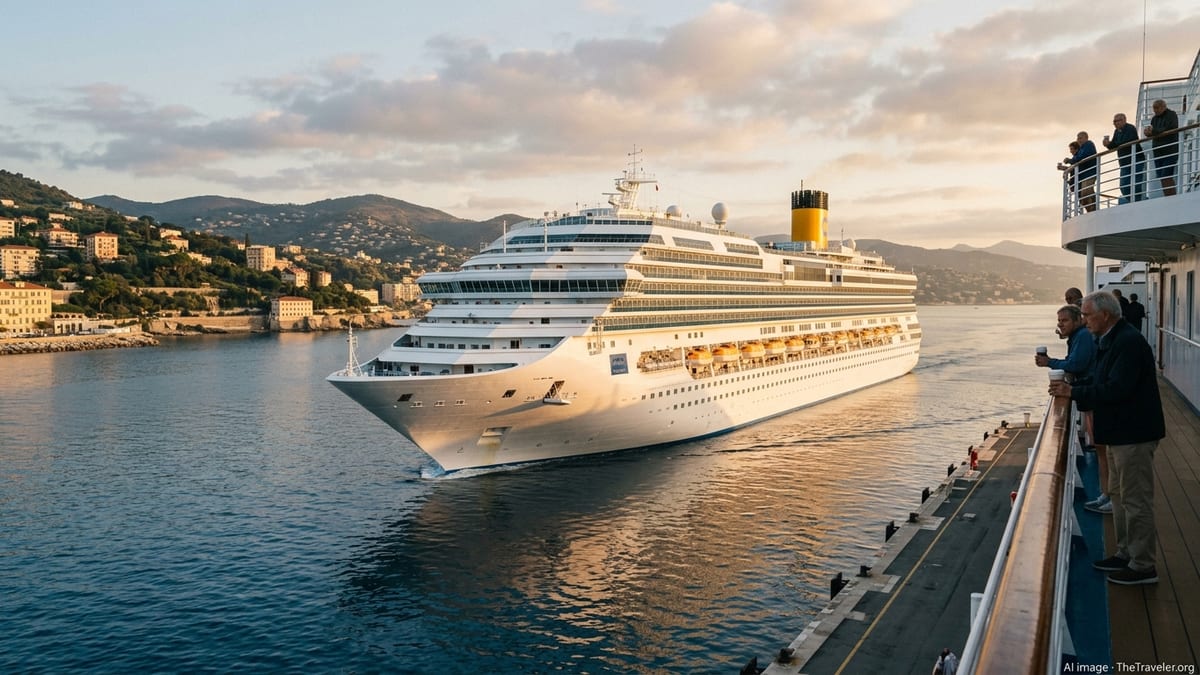
Ocean Cruises Concept Extends to Brazil and South America
Publicly available information on Costa Cruises’ program shows that the line is positioning Brazil as one of the headline destinations within its Atlantic "Ocean Cruises" portfolio, which highlights sailings where time at sea is framed as a central part of the holiday rather than just a way to move between ports. Marketing material for these routes stresses slow travel across the Atlantic, extended daylight on deck and curated onboard activities designed around the ocean crossing.
On Costa’s transatlantic pages, Brazil is presented as a top destination within these ocean-focused itineraries, sitting alongside other long-range crossings and repositioning voyages that link Europe to the Americas. These cruises typically feature several consecutive days at sea before or after visits to Brazilian ports, a structure that allows the company to promote the experience of open-ocean sailing while still tying in major coastal cities.
The enhanced focus on Brazil also aligns with broader deployment patterns that see Costa maintaining a strong seasonal presence in South America, using Brazilian ports as both embarkation hubs and marquee calls on longer voyages. The combination of sea-intensive segments and port-rich stretches is forming the backbone of what the company describes as a new way to experience the Atlantic and the South American coastline.
Brazilian Ports Emerge as Gateways for New Experiences
Costa’s destination pages highlight Santos, Rio de Janeiro and Salvador as key touchpoints for these evolving itineraries, reflecting how Brazilian ports are being used to anchor the ocean cruise concept in South America. From Santos, described as a primary gateway for São Paulo, itineraries connect to both domestic coastal calls and longer crossings that move north and east toward Atlantic islands and Europe.
Rio de Janeiro and Salvador appear prominently in Costa’s Brazil content, with descriptive material focusing on classic vacation experiences such as Copacabana’s beaches, Sugarloaf Mountain and Salvador’s colonial streets and Afro-Brazilian culture. Within the context of the new ocean-focused positioning, these cities function as bookends or highlights on voyages that otherwise spend long stretches offshore.
Additional port information indicates that routes marketed as ocean cruises from Santos and Rio are linked with destinations such as Praia in Cape Verde, illustrating how Brazilian embarkation points are being woven into more complex Atlantic circuits. This structure effectively turns Brazil into a regional hub, connecting South American guests with transatlantic experiences and offering international passengers a broader introduction to the Brazilian coast as part of longer journeys.
Onboard Innovation Aims to Make Sea Days Central
Descriptions of Costa’s South America sailings emphasize new entertainment concepts and themed events at sea, which are presented as the defining features of the ocean cruise model. Company-facing content highlights initiatives such as open-deck parties, sunset-focused programming and expanded wellness and gastronomy offerings that make use of the ship’s outdoor spaces during sea days in the South Atlantic.
Marketing language around these voyages underlines the idea that guests should be able to "experience the sea like never before," with sea days framed as opportunities for relaxation, social events and scenic viewing between high-energy port calls in Brazil, Argentina and Uruguay. By treating the open ocean as a destination in its own right, Costa is differentiating these cruises from more traditional point-to-point itineraries that prioritize a dense string of ports.
Industry observations also point to a growing demand among South American cruisers for longer holidays with more time onboard. Recent market reports on the region note rising passenger volumes and an appetite for itineraries that balance days ashore with extended time at sea, trends that give context to Costa’s decision to center its South America strategy on a sea-intensive product.
Seasonal South America Deployments Support Longer Voyages
Schedules and deployment overviews for 2025 and 2026 confirm that Costa continues to assign capacity to South America, particularly during the southern summer when Brazilian demand traditionally peaks. Ships operating in the region combine shorter coastal sailings with longer routes that reach Buenos Aires, Montevideo and other Atlantic ports, creating a network that supports the new ocean cruise positioning.
Travel trade data and regional booking platforms indicate that vessels such as Costa Diadema are scheduled on multi-night itineraries that move between Brazilian ports including Santos, Itajaí and Ilhabela, while also linking to Argentine and Uruguayan destinations. These itineraries give the line flexibility to offer shorter holidays for local guests and connect them with longer Atlantic crossings before or after the regional season.
The use of Brazil as a seasonal base also aligns with broader cruise industry findings that describe the country as the largest source market in South America by a considerable margin. As more Brazilian travelers opt for cruises, operators have greater scope to test new products, such as sea-day-intensive itineraries, and position them as aspirational experiences that extend beyond the traditional coastal circuit.
South America Cruise Landscape Grows More Competitive
The shift toward ocean-centered experiences in Brazil is unfolding within a wider resurgence of South America cruising in the post-pandemic period. Cruise industry reports show that more than a million South Americans sailed on ocean-going cruises in the most recent complete reporting year, with a notable share embarking in Brazilian ports and itineraries trending toward five to seven nights on average.
Alongside Costa, several international brands are active in South America with itineraries touching Brazil, Argentina and Uruguay, ranging from mass-market lines to premium operators. Repositioning voyages from Europe to South America and extended circuits around the continent have helped raise the profile of the region, reinforcing the strategic value of Brazilian ports within global deployment plans.
Within this environment, Costa’s decision to spotlight Brazil as a pillar of its Atlantic ocean cruise offering signals an attempt to carve out a distinct identity around the experience of the sea itself. By blending long stretches of open-ocean sailing with marquee Brazilian cities and regional highlights, the company is betting that South America’s next growth phase will be driven as much by time spent between ports as by the destinations on shore.