


More news on this day
Costa Rica’s tourism revival is accelerating, with air arrivals hitting fresh highs and forecasts pointing to continued growth. Yet behind the upbeat headline numbers, record passenger volumes at San José’s Juan Santamaría International Airport are exposing operational strains that industry observers view as an early warning for the country’s flagship sector.
Get the latest news straight to your inbox!
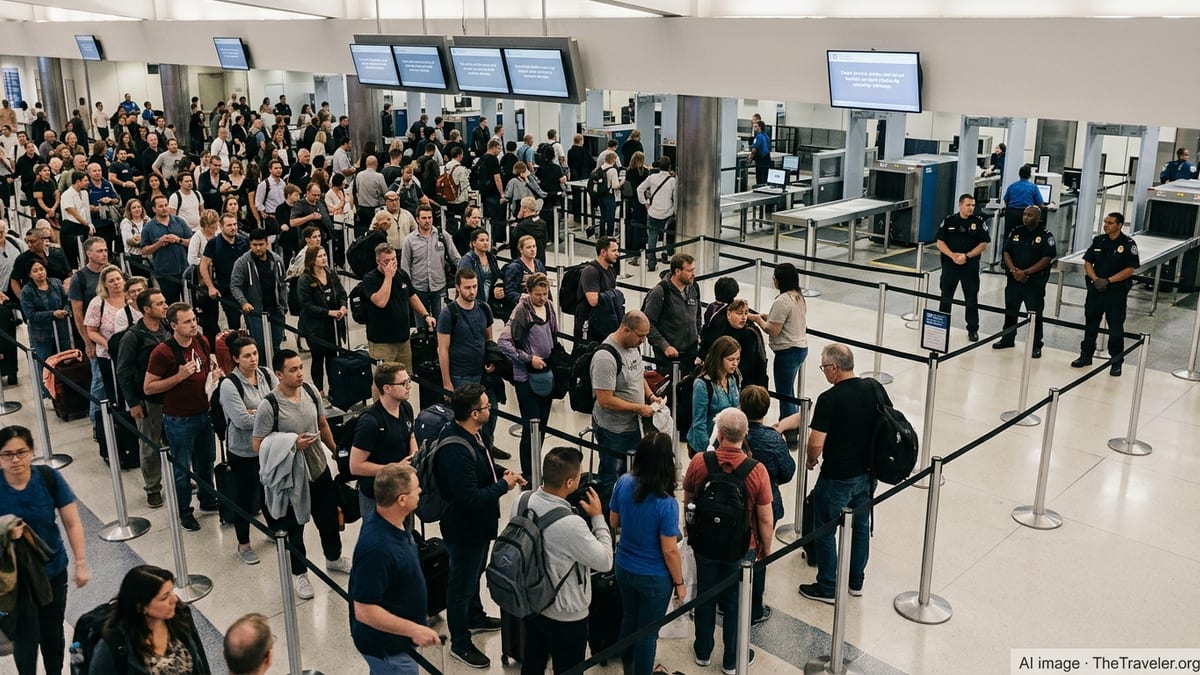
Record Visitor Numbers Through San José
Publicly available figures from the Costa Rican Tourism Institute indicate that 2.66 million visitors arrived by air in 2024, a 7.7 percent increase on the previous year and the highest total in more than a decade. The upward trend continued into 2025, when arrivals by air grew again, albeit at a more modest pace of around 1 percent, marking a fourth consecutive year of recovery after the pandemic slump.
Juan Santamaría International Airport, which serves the capital San José and the surrounding Central Valley, remains the primary gateway. Data cited in regional tourism coverage show the airport handled close to 1.8 million international tourists in 2024, with traffic edging higher again in 2025. Parallel aviation statistics place total annual passenger movements at the hub at more than four million, underscoring its role as Costa Rica’s busiest airport.
Guanacaste Airport in Liberia has absorbed some of the expansion, registering double digit growth in recent years as more airlines target the Pacific coast. Even so, most long haul and regional connections still funnel through San José, concentrating pressure on facilities originally developed for far smaller volumes of traffic.
Tourism remains one of Costa Rica’s main economic engines, and recent international analyses describe the country as having broadly achieved its goal of returning arrivals to pre pandemic levels. That success heightens the stakes for the capital’s airport, which must now keep pace with visitor expectations while also supporting a growing local population and business travel demand.
Capacity Constraints at a Single Runway Hub
Juan Santamaría International Airport operates with a single runway and a compact terminal footprint compared with many hubs handling similar traffic. Aviation reference materials describe a steady, decades long increase in passenger numbers culminating in a record year in 2024, but with limited scope for runway expansion on the current site.
While a series of terminal upgrades and a public private partnership model have improved check in, retail and boarding areas over the past two decades, much of that work was conceived for traffic levels below those now being recorded. Recent traveler reports circulating on social media and travel forums describe long immigration queues at peak arrival times and crowded departure halls in high season, particularly on weekends and holiday periods.
Industry observers point out that a single runway configuration can amplify the impact of any disruption, whether related to weather, technical issues or aircraft incidents. When traffic is light, those shocks can be absorbed relatively easily. As volumes rise, the margin for delay narrows, increasing the likelihood of knock on effects for airlines and passengers.
Aviation analysts also highlight ground access as a growing concern. San José’s chronic traffic congestion means that even modest schedule changes can complicate airport transfers, with travelers frequently advised to allow significantly more time for journeys between the capital, nearby Alajuela and the terminal, especially during early morning and late afternoon peaks.
Recent Disruptions Highlight Vulnerabilities
Several high profile incidents over the past two years have drawn attention to the system’s vulnerabilities. In September 2025, Costa Rica temporarily closed its airspace after a radar failure affected air traffic control, interrupting operations at both the San José and Guanacaste international airports. According to published accounts, flights were delayed or diverted while authorities restored normal service and opened an investigation into the outage.
Earlier, in February 2025, an inbound KLM Boeing 787 operating a scheduled service from Amsterdam to San José requested priority handling after the crew reported a cracked cockpit windshield during descent. Specialized aviation coverage notes that the aircraft landed safely on Juan Santamaría’s single runway and taxied to the gate without injuries, but the episode reinforced the operational importance of maintaining sufficient resilience and contingency procedures at a constrained airport.
Seasonal weather has also contributed to disruptions. Local media and traveler accounts describe periodic fog, heavy rain and thunderstorms in the Central Valley during the rainy season, which can affect visibility and slow operations at San José. When combined with dense schedules and the absence of a second runway, such conditions can lead to rolling delays that ripple across regional networks.
Travel discussion forums from early 2026 reference lengthy waits at immigration and strained ground transportation following infrastructure issues on key road routes linking the airport with popular coastal destinations. For many visitors, those pinch points form a lasting impression of the country’s gateway, regardless of experiences in national parks or beach resorts later in their trip.
Growth Outpacing Infrastructure Planning
Policy studies and tourism industry commentary suggest that Costa Rica’s success in attracting visitors may be outpacing long term infrastructure planning around its principal airport. Government and airport planning documents from earlier in the 2010s focused on incremental terminal expansions and service upgrades, while passenger numbers have since climbed sharply.
International tourism assessments describe Costa Rica as having a comparatively high share of arrivals by air, reflecting its geographic position and limited land connections with major source markets. That concentration heightens reliance on a small number of gateways, particularly San José, making bottlenecks at immigration, security screening and baggage handling more consequential for the entire sector.
Industry groups have repeatedly raised concerns about the need to align airport capacity with broader tourism strategies that promote higher value, environmentally sustainable travel. Analysts warn that if visitor volumes continue to rise without corresponding investment in airside and landside infrastructure, the country risks eroding the quality of its carefully cultivated “pura vida” brand.
Regional comparisons underline the challenge. Neighboring destinations in Central America and the Caribbean have pursued new runways, expanded terminals or additional international airports to spread demand. By contrast, Costa Rica continues to rely heavily on a single primary hub that was never designed for the current scale of operations.
Balancing Tourism Ambitions With Traveler Experience
The juxtaposition of rising arrival numbers and visible strain at San José airport is prompting a broader discussion about what kind of growth Costa Rica wants from tourism. Economic data for 2024 and 2025 point to solid gains in foreign exchange earnings and employment, but also highlight pressures on infrastructure, environmental resources and public services.
Observers note that the government has promoted initiatives aimed at diversifying source markets and encouraging visitors to explore regions beyond the traditional hotspots. That strategy relies on efficient and reliable air connectivity through both San José and Liberia, reinforcing the need for resilient airport operations and clear communication when disruptions occur.
For now, travelers continue to arrive in record numbers, drawn by Costa Rica’s biodiversity, political stability and established eco tourism offerings. Yet accounts of multi hour queues, missed connections and challenging transfers from Juan Santamaría Airport are gaining traction in online reviews, which can influence destination choice for time sensitive or first time visitors.
The experience at San José airport has become a litmus test for how well Costa Rica can reconcile its tourism ambitions with the practical realities of moving millions of people through a constrained gateway. As the high season of 2026 unfolds, many in the sector are watching closely to see whether incremental fixes will be enough, or whether more expansive upgrades and policy shifts will be required to keep pace with demand.