


More news on this day
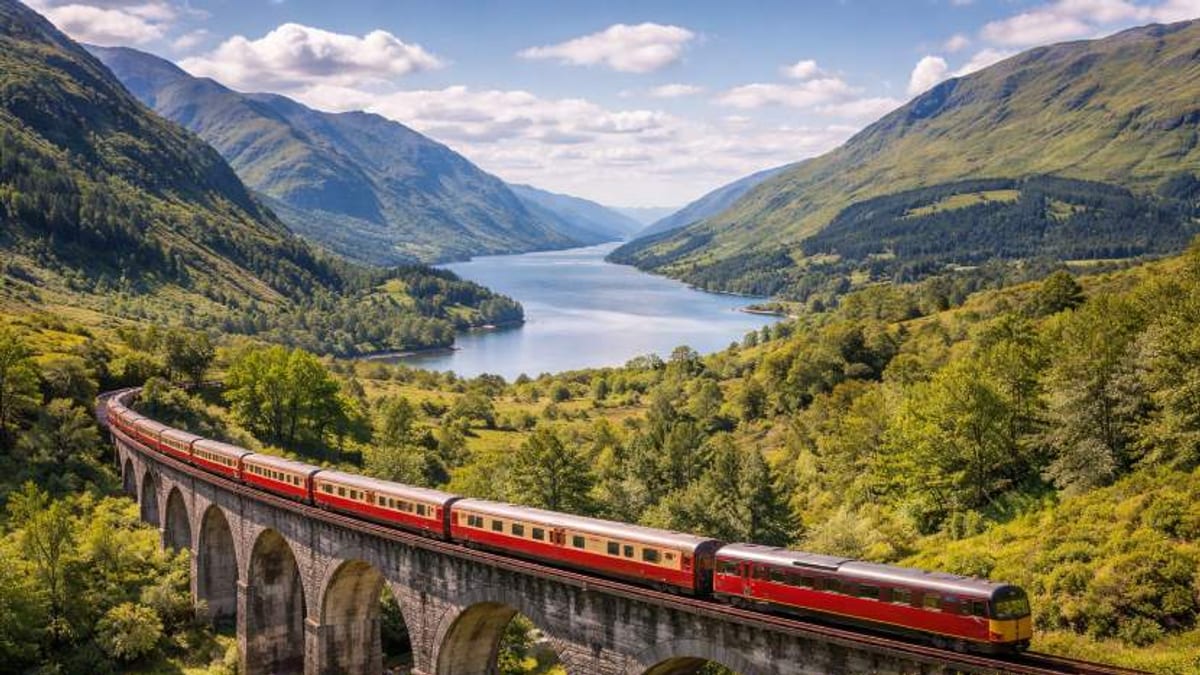
Scotland’s tourism sector is reporting renewed growth as fresh international attention on Wester Ross, highlighted in recent European rankings as one of the continent’s most peaceful escapes, helps draw visitors seeking quiet landscapes and coastal wilderness.
Get the latest news straight to your inbox!
Visitor Numbers Point to Renewed Momentum
Recent tourism statistics indicate that Scotland has moved beyond its post‑pandemic recovery phase into a period of sustained international demand. Data compiled by VisitScotland for 2024 and early 2025 shows record-breaking levels for overseas visits and visitor spending, with international trips and associated expenditure surpassing 2019 benchmarks.
Domestic tourism is also playing a significant role in this momentum. Figures from the Great Britain tourism and day visits surveys indicate that Scotland attracted tens of millions of day visitors in 2024, representing a notable share of all day trips within Great Britain and supporting local businesses across rural and coastal regions.
Sector analysis published by national tourism bodies reports that visitor spending now contributes billions of pounds annually to the Scottish economy, with tourism-related employment supporting tens of thousands of jobs. Recent Scottish Government growth sector statistics for 2024 and 2025 describe tourism as a key component of the wider visitor economy and a driver of regional employment.
Industry reports covering 2025 suggest that visitor attractions have largely held steady, with only marginal changes in overall attendance despite cost-of-living pressures. Natural landscapes and heritage sites are among the locations that have performed well, aligning closely with rising interest in quieter, open-air destinations such as Wester Ross.
Wester Ross Gains Europe-Wide Peaceful Reputation
Wester Ross, stretching along Scotland’s north‑west Highlands, has been featured in recent European travel and lifestyle coverage as one of the continent’s most peaceful and secluded escapes. These rankings draw primarily on measures such as low population density, limited traffic, expansive protected landscapes and access to outdoor activities.
Publicly available information highlights Wester Ross’s long-established status as a National Scenic Area, recognised for dramatic mountain ranges, sea lochs and sparsely developed coastline. Travel features describe the region’s small communities, single‑track roads and dark skies as key attributes for visitors seeking distance from urban noise and crowding found elsewhere in Europe.
The renewed attention coincides with wider European analysis that continues to identify Western and Central Europe as among the most peaceful global regions, according to international peace and security indices published in 2025 and 2026. Within that context, Wester Ross is positioned as a particularly tranquil corner of an already stable part of the continent.
Tourism agencies and independent travel writers have increasingly paired this peaceful image with practical advice on responsible visitation, encouraging slower itineraries, public transport where available and respect for fragile coastal and mountain environments.
Rural Destinations Benefit From Shifts in Visitor Preferences
Across Scotland, rural areas appear to be benefiting from changing visitor behaviour that favours outdoor experiences and value for money. Research released in early 2026 by academic and industry partners indicates that domestic day trippers are playing a growing role in sustaining demand for nature-based attractions, with country parks, coastal reserves and scenic heritage sites reporting stronger performance than many urban venues.
This trend aligns with broader European patterns in which travellers increasingly seek quieter locations, emphasising wellbeing, walking, wildlife watching and cultural immersion over highly programmed city breaks. For Wester Ross and other Highland regions, such preferences reinforce existing strengths in hiking, sea kayaking, wildlife cruises and scenic driving.
Analysts suggest that the appeal of regions like Wester Ross is not limited to international tourists. Scottish and wider UK visitors are also looking to remote coastlines and small communities for shorter getaways, particularly outside peak festival seasons in cities such as Edinburgh and Glasgow. This pattern spreads economic benefit beyond traditional urban hubs while dispersing visitor flows more evenly through the year.
However, industry commentary notes that rural infrastructure, from accommodation capacity to transport links, remains finely balanced. While the current scale of tourism in Wester Ross is modest compared with major city destinations, local planning bodies are monitoring demand to avoid congestion on narrow routes and to protect the character that underpins the region’s reputation for peace and quiet.
Economic Value Meets Sustainability Ambitions
Recent government and agency reports on Scotland’s visitor economy emphasise both the financial importance of tourism and the need to manage growth in line with environmental and community goals. Official overviews of the sector estimate that tourism and the wider visitor economy generate more than ten billion pounds in annual revenue when combining accommodation, attractions, events, food, drink and transport.
Policy documents for 2024 and 2025 outline ambitions to support a “vibrant and dynamic visitor economy” while advancing climate targets and responsible travel practices. Initiatives include business support programmes focused on net‑zero planning, guidance on managing visitor pressure in sensitive landscapes and campaigns encouraging visitors to travel outside peak seasons and explore lesser‑known areas.
Regions such as Wester Ross sit at the intersection of these priorities. Their appeal is rooted in relatively untouched environments and small-scale communities, yet they depend on visitor spending to sustain local services and employment. Publicly available guidance from tourism organisations encourages businesses in these areas to invest in low‑impact infrastructure, energy efficiency and nature-friendly operations.
Analysts suggest that if interest in Europe’s “most peaceful escapes” continues to rise, market growth is likely to favour destinations that can demonstrate credible sustainability credentials, from public transport access to protection of marine and mountain ecosystems.
Prospects for Scotland’s Quiet Corners
Forward-looking assessments from national agencies anticipate that tourism will continue to play a central role in Scotland’s economy through 2026 and beyond, supported by strong international air links, a diverse events calendar and sustained global interest in nature-based travel. Strategic planning documents highlight upcoming major sporting and cultural events that are expected to raise Scotland’s profile further on the international stage.
For Wester Ross and comparable regions, the challenge will be to convert heightened media attention into steady, manageable visitation rather than short-lived surges. Tourism analysts stress the importance of spreading visitors across seasons, encouraging longer stays that support local businesses and promoting year‑round activities such as walking, wildlife watching and cultural experiences.
Community groups and local enterprises are increasingly visible in promotional efforts, offering guided hikes, small‑scale accommodation and locally sourced food and craft products. Public information suggests that such initiatives can help ensure that money spent in remote regions remains within local economies, strengthening the link between tourism growth and community wellbeing.
With Scotland’s overall visitor numbers rising and Wester Ross now firmly established in the conversation about Europe’s most peaceful escapes, attention is turning to how this growth can be shaped. Observers indicate that the way Scotland manages tourism in its quietest corners over the next few years may become a reference point for other European destinations balancing tranquility with economic opportunity.