


More news on this day
Crete is emerging as one of Greece’s most powerful tourism engines, with recent data showing record visitor numbers, surging airport traffic and growing recognition of the island’s deep cultural and gastronomic appeal.
Get the latest news straight to your inbox!
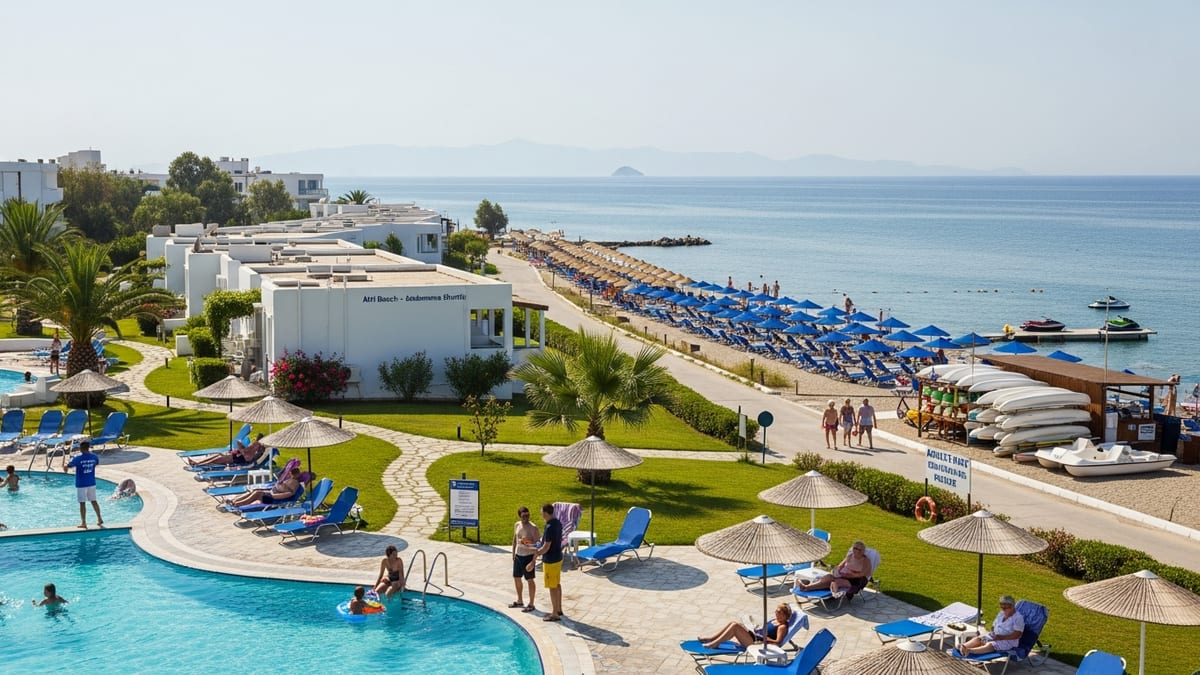
Record Visitor Numbers Cement Crete’s Lead
Recent tourism figures place Crete among Greece’s top-performing regions, underlining its role as a cornerstone of the country’s visitor economy. Bank of Greece data on regional tourism receipts indicate that Crete has consistently accounted for around one fifth of national tourism revenue in recent years, a larger share than many smaller island groups and mainland destinations combined. In parallel, tourism market reports for 2023 and 2024 point to rising overnight stays on the island, confirming that Crete is not only attracting more visitors but also encouraging them to stay longer.
Crete’s appeal as a tourism powerhouse is reinforced by findings from academic and industry analyses that track visitor movements across Greece. These show that by 2023 Crete was among the top regions nationwide for overnight stays, trailing only the South Aegean while outpacing many other popular areas. More recent European tourism trend reports for 2024 list Crete alongside the South Aegean and Ionian Islands as one of Greece’s three leading regions by total nights spent, underscoring the island’s central role in sustaining visitor volumes even as travel patterns evolve.
Official demographic and tourism profiles of Crete describe an island that welcomed more than six million visitors in 2023, with an average stay above five days. That combination of high arrivals and lengthy stays is seen in industry commentary as a key factor behind the island’s strong contribution to national tourism receipts. Publicly available analyses emphasize that charter traffic to Heraklion, in particular, accounts for a significant share of all such flights into Greece, further illustrating Crete’s weight in the country’s tourism landscape.
Airports in Heraklion and Chania Push Passenger Records
The island’s rise is closely tied to the rapid expansion of air traffic through its two main gateways, Heraklion and Chania. Airport statistics published for 2024 show that Heraklion Airport handled more than 9.3 million passengers that year, an increase of over 40 percent compared with 2023. Updated rankings of Greek airports by passenger numbers place Heraklion as the country’s second-busiest airport after Athens, ahead of several well-known island destinations that traditionally dominate international travel itineraries.
Chania Airport on Crete’s western side has also reported historic traffic. Operator data and airport statistics for 2024 show passenger volumes approaching four million, up roughly 7 to 8 percent year on year. Sector summaries of Greece’s regional airports highlight Chania among the best performers in percentage growth terms, aligning with reports from travel industry outlets that describe a strong rebound and expansion in flights to western Crete from major European markets.
Aviation and tourism consultancies explain that these figures reflect both pent-up demand after the pandemic years and a strategic spread of flights beyond ultra‑popular islands such as Santorini and Mykonos. Airlines and tour operators have expanded direct services into Heraklion and Chania as travelers seek larger islands with more varied landscapes and price points. Infrastructure plans for Crete, including the construction of a new international airport at Kastelli to replace Heraklion’s existing facility, are presented in planning documents as part of a long-term strategy to accommodate even higher volumes while addressing capacity constraints.
Cultural Depth, Ancient Sites and Lively Cities
Crete’s tourism strength is not driven by beaches alone. The island is promoted in cultural and heritage literature as the heartland of Minoan civilization, offering some of Greece’s most important Bronze Age archaeological sites. Knossos near Heraklion remains one of the country’s best-known ancient palaces, and combined with other sites such as Phaistos and Malia it anchors a cultural circuit that sits alongside the island’s extensive coastline. Museum guides and tourism brochures emphasize that these sites, together with modern archaeological museums in Heraklion and Chania, draw visitors interested in history and culture as much as sun and sea.
Urban centers add another layer of appeal. Heraklion, the island’s largest city, combines a working harbor with a compact historic core, Venetian fortifications and a growing number of cultural venues. Chania, on the western coast, is regularly highlighted in travel features for its Venetian-era old town and harbor, now surrounded by boutique hotels, restaurants and galleries. Rethymno and Agios Nikolaos add further urban options, each with waterfront promenades, preserved architecture and easy access to nearby beaches and mountain villages.
These cities act as hubs for exploring rugged interiors that contrast with heavily developed coastlines. Travel guides point to the White Mountains, the Samaria Gorge and a network of hiking trails as evidence that Crete can anchor itineraries centered on outdoor activities rather than resort stays alone. This geographic diversity allows the island to appeal simultaneously to mass-market package travelers, independent hikers, culture seekers and food-focused visitors, strengthening its position in a competitive Mediterranean market.
Gastronomy, Wine and the Cretan Diet
Gastronomy has become another pillar of Crete’s tourism identity. Public information from international organizations that monitor creative and sustainable cities notes that Heraklion has been recognized for using food culture as a development tool, with initiatives designed to showcase local products and link visitors to the island’s agricultural traditions. Municipal and regional programs promote “flavours” trails and food festivals that encourage travelers to visit wineries, olive mills and rural tavernas, spreading tourism spending beyond the main resorts.
Studies on Mediterranean diets regularly cite the Cretan diet as an example of traditional, plant-rich eating patterns associated with longevity. Tourism promotion materials build on this reputation by highlighting local olive oil, wild greens, pulses, herbs and seafood, alongside distinctive cheeses and breads. Wine regions around Heraklion and Chania have gained greater visibility, with wineries opening tasting rooms and cooperating with tour operators to offer vineyard visits that sit comfortably alongside beach and culture outings.
The emphasis on gastronomy responds to growing demand for experiences that connect travel with health and authenticity. Industry trend reports for Greece note that visitors are increasingly seeking local food, cooking classes and agritourism stays. Crete’s extensive agricultural base, from olive groves to vineyards and orchards, offers a natural platform for such activities, reinforcing the island’s differentiation from more narrowly beach-focused destinations.
Balancing Growth with Sustainability and Quality of Life
The same factors that have turned Crete into a tourism powerhouse are also creating pressure points. Local media coverage and public commentary describe concerns about overtourism, particularly along the northern coastal strip where large hotel complexes are concentrated. Reports highlight strains on water resources during peak season, rising housing costs in cities such as Chania and Heraklion, and seasonal congestion at beaches and heritage sites.
Policy papers on Greek tourism, together with analyses by regional planners, increasingly frame Crete as a test case for how high-volume destinations can transition toward more sustainable models. Suggested approaches include spreading visitors more evenly across seasons, promoting lesser-known southern and inland areas, investing in public transport and adopting stricter regulations on short-term rentals in urban cores. Environmental groups and local associations on the island have also drawn attention to issues such as waste management, coastal erosion and the protection of gorges and wetlands that are popular with hikers.
At the same time, tourism strategy documents at national and regional level recognize that Crete’s scale and diversity give it tools to adapt. The island can draw on its cultural wealth, gastronomy and interior landscapes to encourage visitors to move beyond a few overburdened hotspots. As Greece as a whole records more than 40 million international arrivals in recent seasons, Crete’s experience illustrates both the opportunities and the challenges that come with being a leading tourism powerhouse in the eastern Mediterranean.