


More news on this day
Passengers aboard a cruise ship sailing near western Cuba described a sudden, unsettling shudder that rippled through the vessel after a magnitude 6.1 earthquake struck offshore on June 8, momentarily convincing some that the ship had collided with something in the water.
Get the latest news straight to your inbox!
Quake Near Cuba Sends Unusual Jolt Through Cruise Itinerary
The United States Geological Survey identified the magnitude 6.1 earthquake west northwest of Mantua, on Cuba’s western side, at approximately 18:00 UTC on June 8, with a depth of about 26 kilometers beneath the seafloor. The offshore epicenter placed the tremor in the southeastern Gulf of Mexico, in waters commonly used by cruise lines linking Florida, Mexico and the Caribbean.
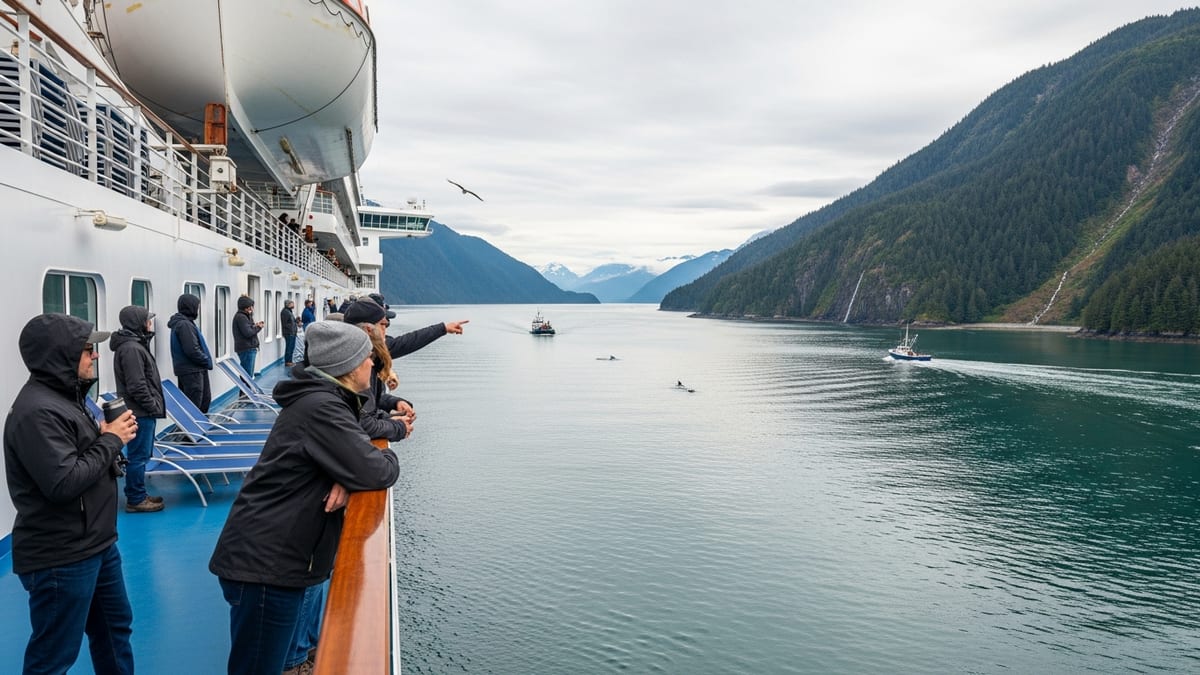
Reports indicate that at least one Margaritaville at Sea vessel transiting north of Cuba felt the shaking as the seismic waves spread outward across the gulf. Passengers recounted a sudden vibration that ran through the decks for several seconds, strong enough to prompt some to stand up, secure belongings or peer over railings in search of an explanation.
Publicly available coverage describes startled guests initially thinking the ship had struck a submerged object or experienced a mechanical problem before news of the earthquake filtered through social media and news outlets. The incident unfolded on an otherwise routine voyage, underscoring how rarely cruise travelers in the region encounter noticeable earthquake effects.
Cruise operators did not report significant structural issues or operational disruptions as a result of the tremor, and tracking data showed ships maintaining their scheduled courses through the area.
“Thought We Hit Something”: Passengers Describe Confusing Moments On Board
Accounts shared with television stations and on social platforms portray several minutes of confusion following the jolt at sea. Some travelers spoke of cabin walls and fixtures trembling, while others described a low, rolling motion unlike the familiar rhythm of waves or engine vibration.
One passenger told Tampa-area media that the sensation was strong enough to make them wonder whether the vessel had collided with another object in the water. Others reported that crew members encouraged guests to remain calm as staff checked equipment and monitored ship systems, a standard response whenever unexpected motion is felt on board.
Publicly available information indicates that the shaking on the ship lasted only a short time, in line with reports from coastal communities in Cuba and Florida that described several seconds of noticeable movement. Onboard, however, the surprise of feeling an earthquake at sea appeared to magnify perceptions, especially among guests with little prior exposure to seismic activity.
Despite the alarm, there were no reports of serious injuries among passengers related to the quake. Travel analysts noted that large modern cruise ships are built to withstand heavy seas and sudden motion, which can help limit on board impacts when distant earthquakes send waves of ground movement through surrounding waters.
Shaking Felt From Havana to Central Florida
On land, the same 6.1 event rattled buildings in western Cuba and was felt across a broad swath of Florida, from the Keys and Miami up through Tampa, Orlando and as far north as Jacksonville and Tallahassee. Residents contacted local broadcasters to describe office towers swaying, hanging lights moving and furniture trembling for several seconds.
Florida emergency and seismic monitoring agencies compiled thousands of "Did you feel it?" responses mapped across the peninsula, showing light to moderate perceived shaking in many communities but no widespread damage. Some county offices in South Florida temporarily evacuated staff while buildings were inspected as a precaution.
Reports from Cuba referenced short but noticeable shaking in Havana and other populated areas, again without early indications of major structural damage or casualties. The region periodically experiences moderate earthquakes due to the complex interaction of the North American and Caribbean tectonic plates, but tremors strong enough to be widely felt in the southeastern United States are uncommon.
For many Florida residents, local coverage suggested that the June 8 event represented the strongest shaking they had ever experienced, prompting a wave of social media posts and renewed public interest in regional seismic hazards.
No Tsunami Threat but Questions About Safety at Sea
According to publicly available bulletins, no tsunami warning was issued for the Gulf of Mexico or surrounding coastlines following the earthquake. Seismologists noted that the location and nature of the rupture did not favor the kind of vertical seafloor movement typically associated with dangerous tsunami waves.
Nevertheless, comments from cruise passengers and coastal residents revealed initial concern about the risk of a sudden rise in water levels. Some travelers said they quickly checked news apps or shipboard televisions for confirmation that a tsunami was not expected, while others reported scanning the horizon for unusual wave patterns.
Maritime safety experts quoted in regional coverage emphasized that, while cruise ships can feel passing seismic waves, the vessels themselves are generally far from the epicenter and are designed to handle significant ocean swell. The greater vulnerability in most scenarios lies with fixed coastal infrastructure such as piers, low-lying ports and waterfront roads, which can be affected if a tsunami were to occur.
The June 8 event ultimately proved to be a near miss for the cruise industry, serving as a real-world reminder of emergency preparedness drills rather than a damaging disaster. Travel observers noted that the episode may still encourage cruise lines to review passenger communication practices when rare geophysical events impact sailings.
Caribbean Cruise Routes Confront a Subtle Seismic Risk
The earthquake off Cuba highlights a quieter hazard in a region more often associated with hurricanes and tropical storms. The broader Caribbean basin straddles several active plate boundaries, and geologic records show a history of significant earthquakes that have occasionally generated tsunamis affecting coastal communities and shipping lanes.
Recent years have included several magnitude 6 and stronger events scattered around the eastern Caribbean and Central America, according to international seismic catalogs. While many occur far from major cruise corridors, the June 8 tremor illustrated that even moderate offshore quakes can be widely felt, particularly by people in tall structures and on large vessels.
Travel industry analysts suggest that, as cruise traffic continues to expand across the Caribbean and Gulf of Mexico, operators may increasingly factor regional seismic activity into risk assessments that already account for seasonal storms and changing climate patterns. That may include refining routes, updating passenger briefing materials and coordinating more closely with coastal authorities on real time hazard information.
For guests aboard the ship that felt the 6.1 quake, the experience ultimately became an unexpected travel story rather than a crisis. Yet their reports of thinking the vessel had hit something reflect how unfamiliar seismic shaking remains in this part of the cruise world, and how quickly a routine sea day can be interrupted by forces originating deep beneath the ocean floor.