

More news on this day
A cyclist who died after a collision with a Tri-Rail train in Lake Worth Beach has now been publicly identified, and newly released information is drawing attention to safety conditions at one of Palm Beach County’s busiest rail corridors.
Get the latest news straight to your inbox!
Victim named as investigation continues
Publicly available information from local law enforcement and county records indicates that the cyclist killed in the Lake Worth Beach crash has been identified as an adult man from Palm Beach County. His name was released after relatives were notified, following a collision that occurred at a rail crossing along Lake Worth Road near the heart of the city’s commuter corridor.
The crash, which involved a northbound Tri-Rail train, was reported during the morning commute period. Initial summaries indicate that the man was riding a bicycle close to the tracks when the train struck him, fatally injuring him at the scene. Emergency responders were called to the crossing, but reports indicate the cyclist could not be revived.
Investigators are working to establish the cyclist’s movements in the moments leading up to the collision, including how he approached the crossing and whether warning devices were active. Publicly available information shows that collision reconstruction teams are reviewing physical evidence, train data recordings, and any available surveillance video from nearby businesses or transit infrastructure.
Early reports describe the crash as an apparent tragedy at a busy at-grade crossing, with no immediate indication of criminal charges. However, investigative findings, including toxicology reports and detailed diagrams of the scene, are expected to take weeks before final conclusions are made public.
New details from crash scene shed light on conditions
Newly released details from public records and local media coverage describe how the bicycle was found on its side near the tracks, suggesting the rider was on or extremely close to the rail right-of-way when the train approached. The location, east of Palm Beach State College on Lake Worth Road, is a heavily traveled corridor for both vehicles and people on bikes heading between residential neighborhoods, campuses, and commercial centers.
Reports indicate that the collision occurred at approximately 7:40 a.m., a time when Tri-Rail trains typically run frequent commuter services through central Palm Beach County. The combination of rush-hour traffic, multiple lanes of roadway, and the presence of the rail line has long made this stretch a focal point for concerns about driver and cyclist awareness near the tracks.
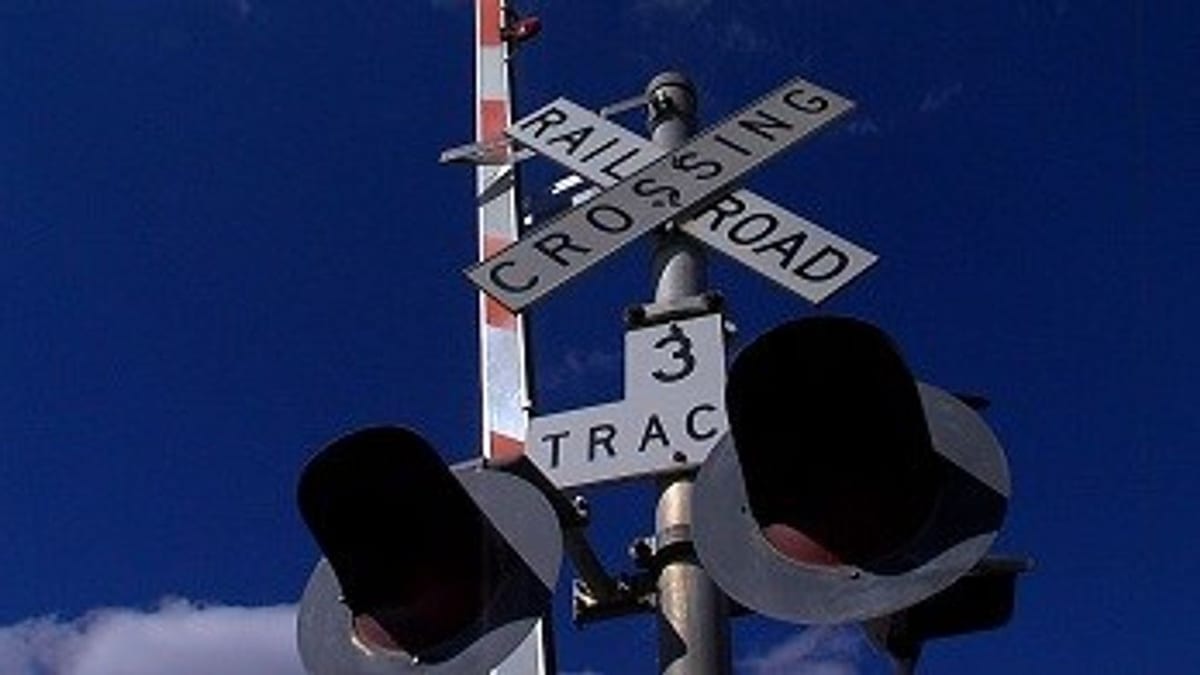
Publicly available descriptions of the scene note that crossing gates and signal equipment are in place at the Lake Worth Road intersection, similar to other Tri-Rail crossings in South Florida. Investigators are examining whether all systems were functioning as designed, while also looking into the cyclist’s path of travel, lane positioning, and any potential attempts to beat the train or move around lowered gates.
Local coverage indicates that no one aboard the train reported serious injury, but the incident brought rail traffic to a halt while investigators documented the scene. Delays extended through the morning as the train remained stopped on the tracks until the area could be cleared and rail service restored.
Lake Worth Beach rail corridor under renewed scrutiny
The Lake Worth Beach rail corridor has been the focus of repeated safety discussions in recent years following a series of fatal and serious-injury crashes involving pedestrians, cyclists, and trains across South Florida. While many high-profile incidents have involved higher-speed intercity services elsewhere, Tri-Rail’s commuter operations also intersect frequently with dense urban neighborhoods and major roadways.
Transportation safety advocates point to the Lake Worth Road crossing as an example of a complex, multimodal junction where drivers, riders, and trains all converge. Long queues of vehicles can form on approach to the tracks, and cyclists often navigate around stopped cars or along roadway edges, sometimes placing them in close proximity to rail equipment and moving trains.
Urban-planning analyses of similar corridors in the region have highlighted the need for better separation between road and rail traffic, additional protected space for bicycles, clearer pavement markings, and more visible warning signage well before the tracks. In Lake Worth Beach, the latest fatal crash is expected to add urgency to calls for engineering upgrades and broader education campaigns aimed at people who cycle or walk near the rail line.
Publicly available information also shows that local agencies track rail-related incidents at crossings across Palm Beach County, using data to identify recurring risk factors such as frequent gate-running, limited sightlines, and heavy bicycle or pedestrian activity. The Lake Worth Beach collision is likely to be added to that dataset as planners assess where to prioritize future improvements.
Safety guidance for cyclists near South Florida rail lines
The latest fatal collision in Lake Worth Beach is adding to ongoing discussions about how cyclists can better navigate the growing mix of rail and road traffic in South Florida. Safety guidance from transportation agencies and rail operators consistently stresses that people on bicycles should treat train crossings with the same caution as motorists, observing all signals, gates, and audible warnings.
Recommendations commonly include dismounting and walking a bike across the tracks when conditions feel uncertain, avoiding any attempt to cross once gates begin to lower, and staying well clear of the rail right-of-way while trains are approaching or passing. Experts also advise cyclists to approach tracks at as close to a right angle as possible to reduce the risk of tires getting caught in the rail groove, which can cause falls close to moving trains.
In areas like Lake Worth Beach where rail lines run parallel to major corridors, riders are urged to use marked bike lanes and designated crossings rather than informal shortcuts near the tracks. Publicly available outreach materials emphasize that trains can appear faster and more quietly than expected, making it dangerous to rely on quick judgment calls about whether there is time to cross.
Local cycling advocates note that infrastructure alone cannot eliminate the risk at at-grade crossings, and that predictable behavior by all road users is essential. The Lake Worth Beach incident is serving as a stark reminder to commuting cyclists, recreational riders, and drivers alike that trains have the right of way and require added vigilance wherever roads and rail lines meet.
Impact on commuters and community response
The crash prompted significant delays for Tri-Rail passengers and motorists along Lake Worth Road, with rail services temporarily suspended in the immediate aftermath. Commuters reported extended travel times as trains were held at nearby stations and traffic around the crossing was rerouted while investigators worked at the site.
In the broader Lake Worth Beach community, the cyclist’s death has prompted expressions of sympathy for the man’s family and renewed conversation about safer options for people who depend on bikes for daily transportation. Local media coverage highlights that many residents use bicycles to reach jobs, schools, and transit stations, making safe crossings at major intersections especially important.
Transportation and advocacy groups are expected to monitor findings from the official investigation once they are released, looking for indications of whether changes to signal timing, signage, roadway design, or public education could reduce the likelihood of similar crashes. The combination of heavy rail activity and a growing number of cyclists in coastal South Florida continues to shape debates over how best to share limited street space.
For now, the Lake Worth Beach collision stands as the latest reminder of the risks present at busy rail crossings and the human cost when routine commutes intersect with high-speed, heavy rail traffic. As new details emerge about the cyclist’s final ride and the conditions at the crossing, the incident is likely to remain a reference point in ongoing discussions about mobility and safety in Palm Beach County.