


More news on this day
New daily flights between Manila and Melbourne are redefining air connectivity between the Philippines and Australia, increasing seat capacity on a key trans‑Asia corridor and promising fresh momentum for tourism, business travel and onward connections across both nations.
Get the latest news straight to your inbox!
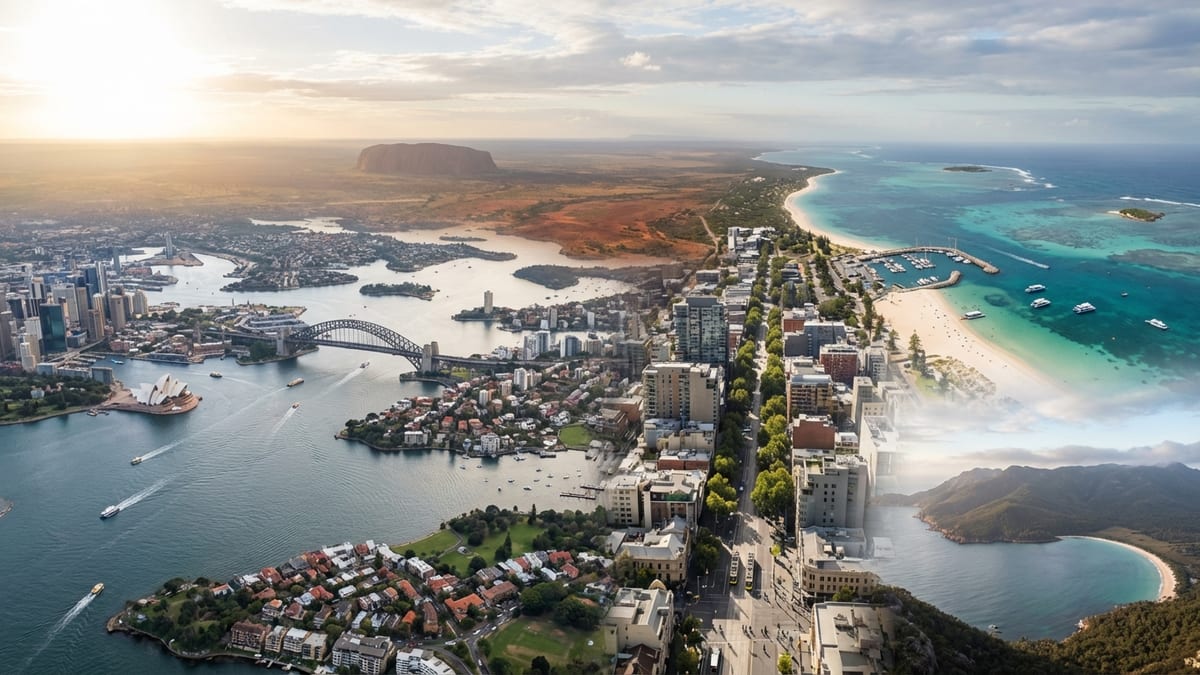
Philippine Airlines Shifts Manila–Melbourne to Daily Operations
Philippine Airlines has progressively expanded its Manila–Melbourne operation from several weekly services to a fully daily schedule, reflecting sustained demand between the Victorian capital and the Philippines. A recent timetable for the carrier’s international winter season showed Manila–Melbourne operating five times weekly, while separate network updates highlighted plans to raise the service to seven flights per week to meet peak-period demand. Publicly available route information now indicates that Manila–Melbourne is established as one of the airline’s core Australia links, alongside services to Sydney and Brisbane.
Aeronautical data and schedule filings point to capacity increases timed around major travel peaks, particularly the southern summer and Christmas holiday periods. Industry reports describe the Manila–Melbourne route as an important component of the flag carrier’s wider Australia strategy, which has included boosting frequencies to several cities as aircraft availability improves.
Manila–Melbourne flights are typically operated with widebody aircraft configured for both premium and economy cabins, supporting a mix of leisure travelers, visiting friends and relatives traffic, and small but growing corporate demand. The shift to daily operations substantially reduces gaps in the weekly schedule, giving travelers greater flexibility in both directions.
The route also complements additional Australian capacity from other airlines. Qantas, for example, has announced new direct flights between Manila and Brisbane, adding to its long-running Manila–Sydney service and increasing overall seat supply between the two countries.
Australia Emerges as a Key Tourism Source Market for the Philippines
The Philippines has recorded a steady rise in Australian arrivals as international tourism rebounds. Department of Tourism statistics for 2023 identified Australia among the top five source markets, with more than 260,000 visitors, behind only South Korea, the United States and Japan. Subsequent departmental updates show Australia maintaining a strong position in early 2024, with hundreds of thousands of arrivals contributing to the country’s tourism receipts.
On the Australian side, new data from Tourism Research Australia now tracks the Philippines as a distinct inbound market in its International Visitor Survey, underscoring the growing scale of two-way traffic. Recent profiles list the Philippines among Australia’s top inbound markets and indicate that visitor numbers have climbed above pre‑pandemic levels, with Filipino travelers coming for leisure, study and temporary work.([tra.gov.au](https://www.tra.gov.au/en/tourism-statistics/international-tourism-results/international-tourism-results-june-2024?utm_source=openai))
This two‑way flow is particularly visible in Victoria, where Filipino communities and education providers have been important drivers of demand for travel to and from Melbourne. Visitor statistics and airport reports highlight solid volumes of passengers travelling to Manila for holidays, family reunions and as a gateway to popular Philippine destinations such as Cebu, Palawan and Boracay.
With tourism making up almost nine percent of Philippine GDP in 2024, according to compiled economic assessments, policymakers view air links with high‑spending markets like Australia as essential to sustaining recovery momentum and attracting longer‑stay visitors.([en.wikipedia.org](https://en.wikipedia.org/wiki/Tourism_in_the_Philippines?utm_source=openai))
Gateway Connectivity: Manila and Melbourne as Regional Hubs
Daily Manila–Melbourne frequencies significantly enhance hub connectivity at both ends of the route. At Ninoy Aquino International Airport in Manila, the expanded schedule increases opportunities for same‑day connections from Melbourne to domestic Philippine destinations, including resort islands and secondary cities, via morning and evening banks of flights.
Publicly available schedule data shows Philippine carriers offering extensive onward links beyond Manila into Southeast and North Asia. Travelers from Melbourne are able to reach destinations such as Tokyo, Seoul, Hong Kong and various ASEAN capitals with a single connection, positioning Manila as a viable alternative to more established transit hubs in the region.
On the Australian side, Melbourne Airport profiles describe a steadily broadening network of Asian connections. The presence of Philippine Airlines and Cebu Pacific on the Manila corridor, along with multiple domestic operators, gives travelers from the Philippines one‑stop access to much of southern Australia and to connecting trans‑Tasman flights. Melbourne’s role as a major hub for Victoria and neighboring states amplifies the reach of each additional Manila flight.([melbourneairport.com.au](https://www.melbourneairport.com.au/corporate/cebu-pacific-air-joins-melbourne-airport-with-route-to-manila?utm_source=openai))
For airlines, the route’s hub‑to‑hub nature supports both origin‑and‑destination demand and transfer traffic. Industry analysts point to Manila–Melbourne as a corridor where improvements in frequency often translate directly to higher network value, because more daily options make itineraries involving onward connections significantly easier to plan.
Competitive Capacity and Future Growth Prospects
The Manila–Melbourne market has seen gradual but consistent capacity growth from multiple carriers. Philippine Airlines has bolstered its schedule, while Cebu Pacific has previously increased its own flights between Manila and Melbourne, using high‑density Airbus A330 aircraft to tap price‑sensitive leisure and migrant traffic. Historical updates have documented step‑ups from three to four weekly services and seasonal adjustments to meet school holiday and peak‑season demand.([aeroroutes.com](https://www.aeroroutes.com/eng/230808-5j1q24au?utm_source=openai))
In parallel, Qantas’ decision to launch Manila–Brisbane services in late 2024 adds further competition and connectivity across the broader Philippines–Australia market. Public announcements indicate that the new Australian flag‑carrier flights will contribute more than 100,000 additional seats annually on Philippines–Australia routes, intensifying the focus on Manila as a key node for Southeast Asia capacity.([reddit.com](https://www.reddit.com/r/Philippines/comments/1cz2i0k?utm_source=openai))
Analysts suggest that as daily Manila–Melbourne operations mature, airlines will be able to fine‑tune timings, aircraft types and partnership arrangements, including interline and codeshare agreements, to maximise connectivity. Expanded cooperation with domestic carriers in both countries is expected to further link Manila and Melbourne to regional centers that do not yet have direct international services.
Future growth is likely to track broader economic and demographic trends. Rising disposable incomes in the Philippines, a substantial Filipino diaspora in Australia and targeted tourism campaigns from both governments are all factors identified in tourism and aviation studies as supporting demand for more frequent and reliable air links.
Stronger Bilateral Ties Backed by Air Service Expansion
The growth of Manila–Melbourne flights aligns with a wider deepening of Philippines–Australia relations. Official statistics from the Philippine Department of Tourism and Australian agencies show a steady build‑up in two‑way tourism, education and business engagement, with air connectivity repeatedly cited in policy papers and market profiles as a central enabler of people‑to‑people links.([homeaffairs.gov.au](https://www.homeaffairs.gov.au/research-and-statistics/statistics/country-profiles/profiles/philippines?utm_source=openai))
Recent international tourism snapshots from Australian state and federal bodies emphasize the importance of Southeast Asian markets, including the Philippines, in diversifying visitor portfolios. The ability to offer daily services from Manila to a major Australian hub such as Melbourne is seen in industry commentary as a signal that the market has achieved enough scale and resilience to support sustained year‑round operations.([visitnoosa.com.au](https://www.visitnoosa.com.au/images/YE-Dec-2024-International-Tourism-SnapShot.pdf?utm_source=openai))
For the Philippines, enhanced access to Australia broadens the country’s appeal as a long‑haul destination by making multi‑country itineraries more practical for travelers who combine visits to Australia, New Zealand and Southeast Asia. For Australians, more frequent flights mean easier access not only to Manila but also to the Philippines’ diverse island destinations, which tourism campaigns have increasingly promoted as complementary to traditional beach and adventure offerings in other parts of the region.
Against this backdrop, the establishment of daily Manila–Melbourne services stands out as a practical milestone in the evolving relationship between the two countries, underpinning a new phase of aviation and tourism integration across the corridor.
Philippine Airlines – Official Site
Tourism Research Australia – International Tourism Results
Philippine Information Agency – International Visitor Arrivals 2023
Australian Department of Home Affairs – Visitor Visa Statistics