


More news on this day
A widely shared call to The Ramsey Show about a grieving widow who spent 1.1 million dollars on cruise ship art is drawing fresh attention to the risks of high-pressure sales at sea and the financial vulnerability of older travelers navigating loss.
Get the latest news straight to your inbox!
A Costly Cruise Habit Comes to Light
According to recent coverage of the call, a listener identified only as Jack contacted personal finance host Dave Ramsey to describe how his widowed mother began cruising frequently after her husband died. Over the course of six or seven voyages, she developed an intense interest in shipboard art auctions and quietly amassed a collection that eventually totaled around 1.1 million dollars in purchases.
Reports indicate that the spending spree unfolded over several years and was largely hidden at first. Jack said much of the artwork was initially stored out of sight in a garage before it began spilling into living areas, leaving rooms crowded with framed pieces. The behavior contrasted sharply with the picture he painted of his mother before her loss, describing her as extremely frugal and cautious with money.
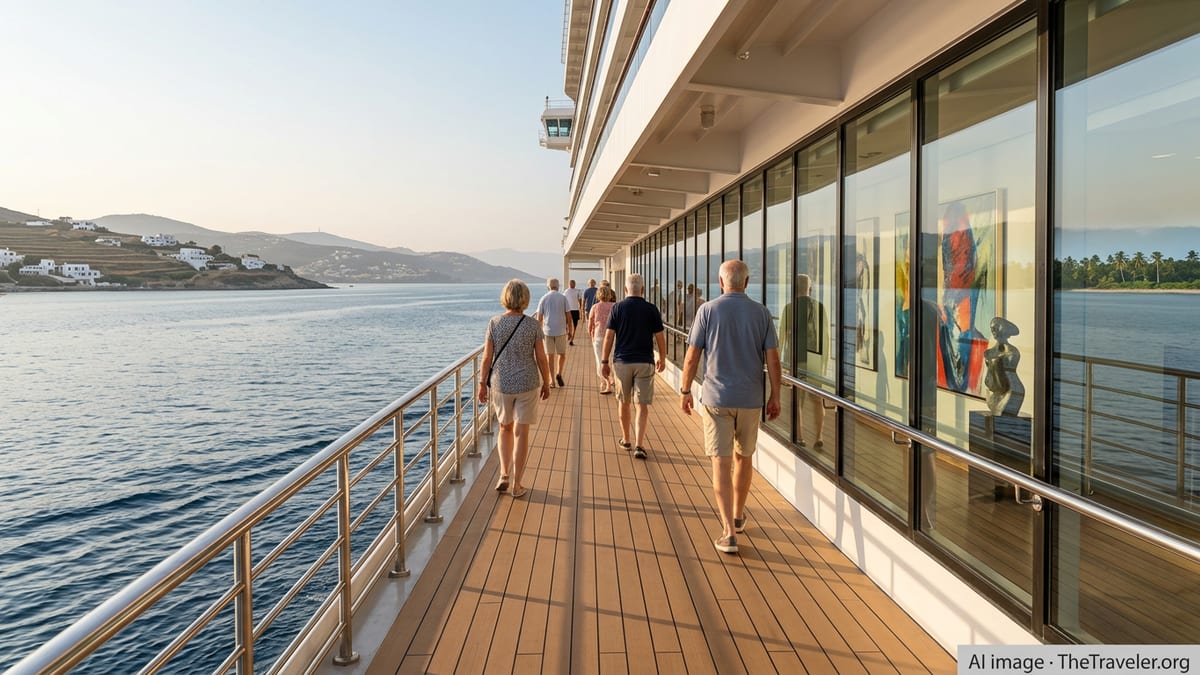
The case has struck a chord with cruise travelers because onboard galleries and auctions are a familiar part of many sailings, marketed as entertainment alongside spa treatments and specialty dining. For some guests the events are a harmless diversion. For others, particularly those dealing with grief or major life change, the mix of emotion, salesmanship and limited-time offers can become a combustible combination.
Ramsey’s Response and Call for Cruise Line Action
On air, Ramsey characterized the widow’s behavior as an expression of unresolved grief rather than simple carelessness, framing the art buying as a psychological response to loss. Coverage of the segment notes that he urged the caller to recognize the emotional context while still confronting the financial damage done to her retirement picture.
Rather than focusing only on resale options, Ramsey’s advice reportedly included an appeal to the unnamed cruise company itself. He suggested that the family approach the line’s corporate office and make the case that a vulnerable guest may have been unintentionally taken advantage of through repeated high-dollar sales across multiple voyages.
Ramsey floated the idea that, in a situation like this, a cruise operator or its art vendor might consider buying back part of the collection, then reselling the pieces through ongoing auctions across the fleet. He pointed to a partial reimbursement, for example around half of the original outlay, as the kind of goodwill gesture a company might weigh if it concluded that a frequent passenger’s judgment had been impaired by grief.
Art at Sea and the Steep Reality of Resale
The call has also reignited scrutiny of how cruise ship art is priced and resold. Analysis of the case by financial commentators suggests that the family is now recovering only 10 to 20 cents on the dollar by taking pieces to traditional auction houses on land. After commissions and fees, a painting that cost tens of thousands of dollars at sea may net only a fraction of that amount.
Industry reporting has long highlighted that shipboard art often carries premiums that reflect not only the work itself but the logistics of running auctions on a vessel, marketing costs, and extras such as framing and shipping. Travelers may also be swayed by suggested “appraisal” figures presented during auctions, which do not necessarily align with what the open market is willing to pay.
For cruise guests, the story is a reminder that art bought on vacation rarely behaves like a traditional investment. Specialists often stress that travelers should purchase pieces only if they are comfortable treating the expense like any other discretionary splurge, with the expectation that future resale will likely recoup far less than the original purchase price.
Grief, Overspending and Older Travelers at Sea
Beyond the cruise and art worlds, financial writers have used the case to underscore how periods of acute grief can upend even a lifetime of disciplined saving. Commentaries on the Ramsey call note that widows and widowers in the first two or three years after a partner’s death may be especially prone to sudden lifestyle changes, big purchases and new habits that feel comforting in the moment but gradually erode long-term security.
In Jack’s description, his mother went from a saver who stretched household items to a traveler taking multiple cruises and authorizing large art purchases. Observers say that shift reflects how loneliness, newfound autonomy and the desire to fill emotional space can combine with aggressive marketing environments such as casinos, luxury boutiques or, in this case, shipboard auctions.
Experts writing about the incident point out that families are often reluctant to question an older relative’s spending after a bereavement, worrying that it will seem intrusive or controlling. Yet advocates for seniors argue that gentle, early conversations about budgets, recurring charges and new hobbies can help catch problems while they are still manageable rather than after hundreds of thousands of dollars have been spent.
What Cruise Travelers and Families Can Learn
Within the cruise community, the viral nature of the story has sparked new discussion of how guests and families can protect themselves without giving up the pleasures of sailing. Commentators suggest simple steps such as setting clear onboard spending limits before departure, opting out of promotional mailings that encourage impulsive purchases, and asking guest services for printed statements mid-cruise to monitor charges.
For relatives, particularly adult children of older travelers, the Ramsey segment is being cited as a case study in why it can be helpful to stay involved in financial planning during the early years after a loss. That can include reviewing credit card activity with permission, understanding how much of a retirement portfolio is earmarked for travel, and talking openly about upselling environments guests are likely to encounter on ships.
For the industry, the episode raises questions about how onboard retailers and partner vendors screen for signs that a guest may be in distress. While there is no suggestion of wrongdoing by a specific cruise line in this case, travel watchdogs say it adds to a wider conversation about responsible marketing to seniors and emotionally vulnerable passengers across resorts, casinos and other vacation settings.
As the debate continues, the story of one widow’s 1.1 million dollar art collection stands as a cautionary tale for travelers weighing big-ticket buys at sea, and for families hoping their loved ones can enjoy the freedom of cruising without jeopardizing hard-won financial stability.