


More news on this day
Caribbean holidays built around quiet beaches and small-ship island hopping are giving way to a new era of mega-vessel vacations, as Miami prepares to send ever-larger, family-focused cruise ships into the region year-round.
Get the latest news straight to your inbox!
Miami Emerges as the Launchpad for a New Cruise Era
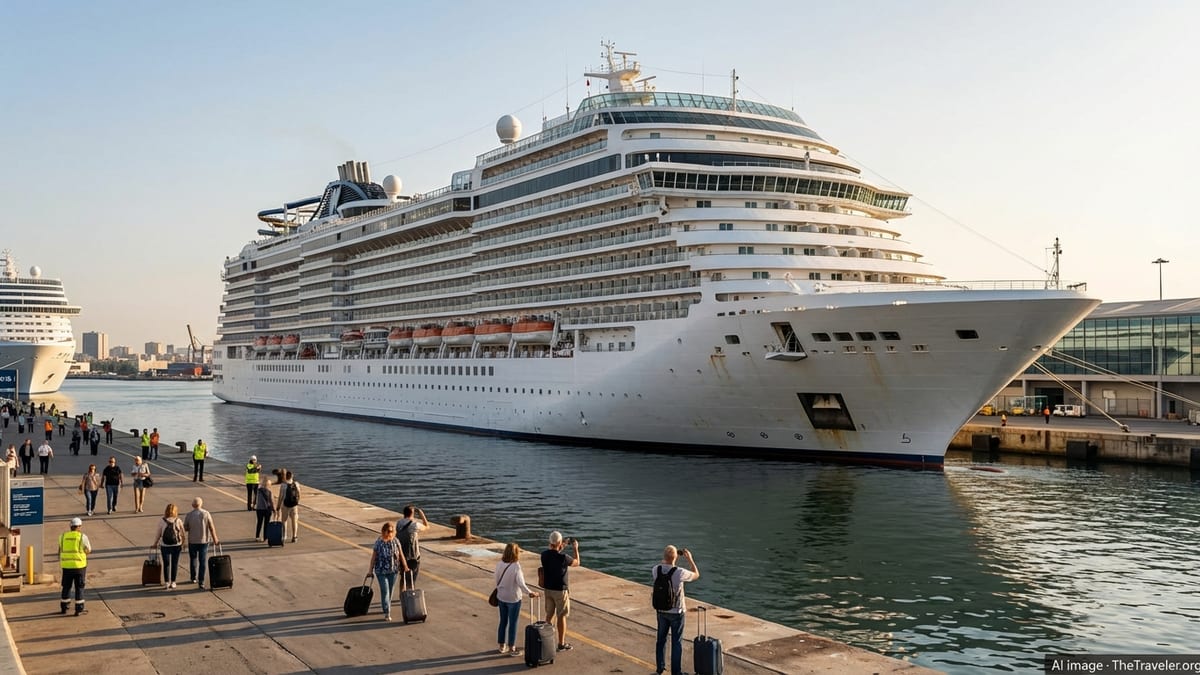
Recent deployment announcements from major cruise brands point to Miami consolidating its role as the primary launchpad for the world’s largest ships, many of them purpose-built for Caribbean and Bahamas itineraries. Publicly available schedules for Royal Caribbean, MSC Cruises, Norwegian Cruise Line and Carnival Cruise Line show a growing concentration of megaships homeporting in South Florida over the next several years, with seven-night loops and shorter escapes aimed squarely at families.
Royal Caribbean’s Icon of the Seas, currently the world’s largest cruise ship, is operating alternating weeklong Eastern and Western Caribbean sailings out of PortMiami, combining traditional ports such as Cozumel and St. Thomas with calls at the company’s private island in the Bahamas. Industry trackers indicate that the ship is joined by other high-capacity vessels in the 2026 to 2027 period, keeping Miami at the center of global megaship deployment.
At the same time, MSC Cruises has positioned its newest flagship MSC World America to sail year-round seven-night Caribbean itineraries from Miami beginning in April 2025, serving ports including Puerto Plata, San Juan and the line’s Ocean Cay MSC Marine Reserve. Company statements describe the ship as tailored to the North American market, signaling Miami’s importance as a gateway for U.S. families looking for resort-style sailings close to home.
These moves come as industry analyses highlight that the Caribbean continues to command the largest share of global cruise capacity, driven in part by its proximity to the United States and the airlift and port infrastructure available in South Florida. For lines seeking to fill increasingly large ships with multigenerational travelers, Miami offers a combination of demand and access that is difficult for competing regions to match.
Family-Focused Design Becomes the Main Selling Point
As the megaship orderbook fills, cruise lines are leaning heavily into family-oriented hardware, promising more water parks, multiroom accommodations and kid-centric neighborhoods at sea. Royal Caribbean’s Icon-class ships, starting with Icon of the Seas sailing from Miami, are marketed around expansive pool decks, multi-slide water parks and dedicated family zones, reflecting a strategy that treats the ship itself as the primary destination for guests traveling with children.
MSC World America follows a similar path. The ship introduces a family-focused area called The Harbor, described in company information as a new concept designed to appeal to parents and children with outdoor play spaces, interactive features and quick-access dining. The addition reflects a broader industry shift toward purpose-built zones for younger cruisers, replacing earlier models where children’s facilities were confined to small interior clubs.
Norwegian Cruise Line is also expanding its presence in Miami with Norwegian Luna, a new ship featuring what the company describes as the longest and fastest slides at sea and an exclusive Aqua Slidecoaster attraction. The vessel is scheduled to operate Eastern and Western Caribbean sailings between April 2026 and April 2027, giving families another megaship option sailing directly from South Florida.
Across brands, ship designs are being rethought to accommodate multigenerational groups, with more connecting cabins, flexible suites and casual dining venues that can handle the volume generated by several thousand guests. Public materials from Carnival highlight an expansion of interconnecting rooms on upcoming ships, while existing vessels like Carnival Celebration from Miami are pitched as weeklong, all-in-one getaways that combine theme-park-style entertainment with traditional Caribbean port calls.
Private Islands and Destination Control Reshape Caribbean Stops
As more high-capacity ships concentrate in the Caribbean, cruise lines are turning to private and exclusive destinations to manage crowds and differentiate itineraries. Royal Caribbean’s Perfect Day at CocoCay, MSC’s Ocean Cay MSC Marine Reserve and Norwegian’s Great Stirrup Cay and Harvest Caye are now central fixtures on many Miami-based itineraries, effectively blending a beach resort stay into a standard cruise schedule.
These developments are mirrored by Carnival’s investments at Half Moon Cay in the Bahamas, where new amenities and expanded beachfront have recently been unveiled. Company updates describe upgraded cabanas, additional lounging space and an expanded pool area designed to absorb larger passenger numbers without eroding the sense of a relaxed island escape.
Industry commentary suggests that this pivot toward private islands allows operators to control the onshore experience more closely, from crowd management and spending patterns to environmental measures. For families, the result is a more predictable day ashore, with stroller-friendly pathways, guarded swim areas and cashless purchasing that mirror the experience onboard. For traditional Caribbean ports, however, the growth of private destinations may mean stiffer competition for calls as lines reserve a larger share of days for their own islands.
The rise of such controlled environments also changes what a Caribbean holiday looks like in practice. Instead of a series of independent island visits, a typical Miami-based megaship itinerary now often alternates between one or two established ports and at least one proprietary beach day, compressing the region’s cultural and geographic diversity into a tightly managed, resort-style circuit.
Capacity Surge Brings Economic Opportunity and Crowding Concerns
Forecasts for 2025 and 2026 indicate a significant capacity build-up in the Caribbean, with several major lines reporting double-digit increases over prior years. Cruise industry research notes that Norwegian Cruise Line, MSC, Royal Caribbean and Carnival are all contributing to the rise, whether by deploying new tonnage or repositioning existing ships to the region. Miami, with neighboring ports in Fort Lauderdale and Port Canaveral, stands at the center of this network.
For Caribbean destinations, the influx represents both opportunity and strain. More frequent calls from megaships can drive spending in tour operations, retail and hospitality, as well as support ongoing port infrastructure upgrades. Some islands have invested in new piers, expanded terminals and shore power projects designed to attract and accommodate the latest generation of vessels sailing from South Florida.
At the same time, community groups and local commentators have raised questions about overcrowding and environmental impact, particularly when multiple large ships arrive on the same day. The move by cruise operators to expand or create private destinations partly responds to those concerns, diverting some traffic away from traditional downtowns and spreading visitor volumes across a broader mix of controlled sites.
Observers note that how islands adapt to the megaship era will help determine whether the expanding Miami-Caribbean cruise corridor translates into sustainable long-term growth. Agreements covering passenger levies, environmental protections and infrastructure sharing are expected to play a larger role as regional governments seek to balance the benefits of rising visitor numbers with quality-of-life considerations for residents.
What It Means for Future Caribbean Holidaymakers
For travelers planning a Caribbean holiday in the next several years, the changes taking shape in Miami could have a direct impact on what a week in the tropics looks like. Families will find more choice among large, modern ships featuring onboard attractions that rival land-based theme parks, together with increasingly polished private-island experiences that bundle beach time, water parks and curated shore excursions.
Pricing dynamics may also evolve as capacity grows. With multiple megaships chasing the family market on similar itineraries, analysts expect continued promotional activity, particularly outside peak school holiday periods. At the same time, demand for the newest and most elaborate ships often supports premium fares, creating a tiered market where older vessels compete on price while the latest hardware sells on features.
Travel advisors and online forums already reflect a shift in planning considerations, with prospective cruisers comparing not only ports of call but also water park lineups, kids’ club designs and the size of family accommodations. For many, the decision about a Caribbean holiday from Miami is becoming less about which islands to visit and more about which megaship best fits their family’s style.
As the 2026 and 2027 seasons approach, the trajectory appears clear: larger ships, more family-friendly features and an expanding web of private island experiences are poised to redefine what a Caribbean escape from Miami entails, signaling that the region’s cruise holidays are entering a new, megaship-driven chapter.