


More news on this day
Passengers flying from Liverpool John Lennon Airport on 4 August are being urged to double-check their departure status, as a number of services show delays on live tracking boards and airline feeds.
Get the latest news straight to your inbox!
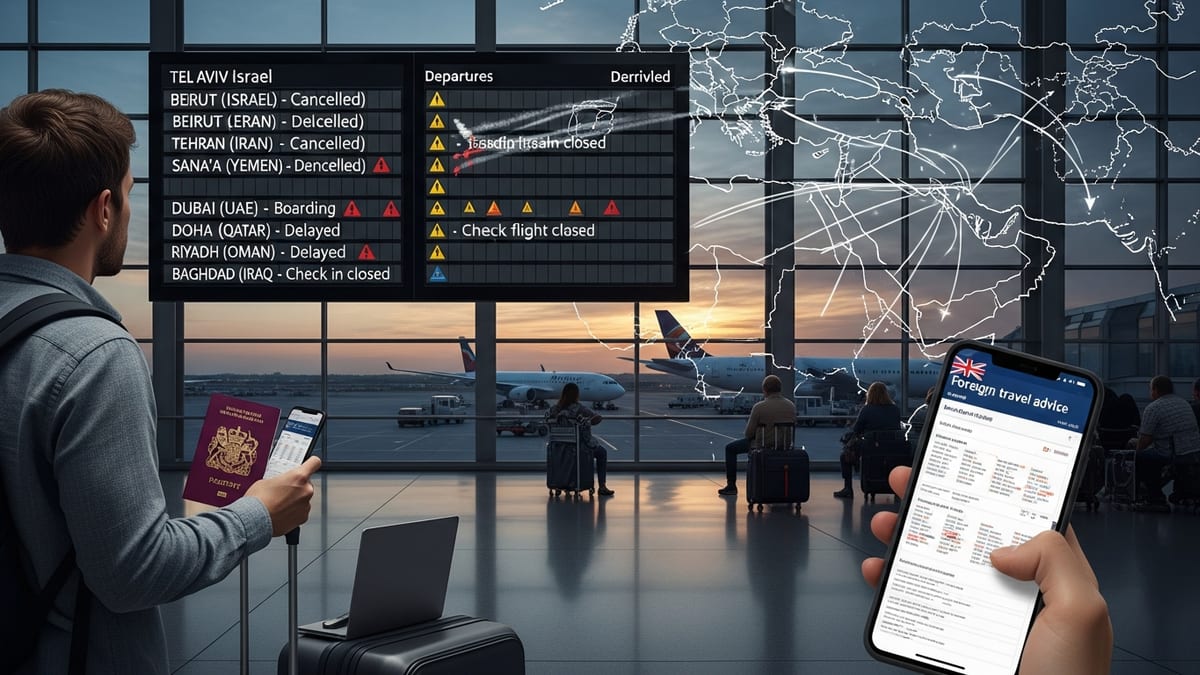
What live data shows for Liverpool departures
Publicly available departure boards and live flight tracking services for Liverpool John Lennon Airport on 4 August indicate that some services are operating behind schedule. These tools show a mixture of on-time departures, minor delays of under an hour, and a small number of longer hold-ups depending on airline and route.
At the time of checking, live feeds highlight that delays are not concentrated on a single carrier, suggesting that disruption is scattered across the schedule rather than affecting one airline alone. Some early-morning departures appear to have left on time or close to schedule, while several mid-morning and afternoon flights show revised departure times.
The exact list of delayed flights can change rapidly as airlines update departure estimates, reopen check-in, or make up time on the ground. Because of this constantly shifting picture, any list compiled at one moment may be incomplete or out of date by the time passengers reach the terminal.
Travelers are therefore advised to consult their airline’s app, booking page, or the airport’s live departures page shortly before setting out, as those channels will reflect the latest gate information, boarding times, and delay durations.
Why a definitive “full list” is hard to pin down
Unlike a post-event report, same-day disruption at a regional airport such as Liverpool is typically managed in real time. Airlines and the airport update flight statuses continuously, sometimes adjusting scheduled times several times in an hour. This makes it difficult to produce a definitive, static “full list” of delayed flights for a specific date and time.
Publicly accessible trackers usually label flights as delayed, boarding, departed, or cancelled, but these designations can be revised quickly as aircraft arrive at stands, turnaround is completed, or air traffic flow improves. A flight that appears delayed in the morning may depart closer to schedule if turnaround operations are sped up or if an inbound aircraft makes up time en route.
In addition, different tracking services sometimes display slightly different information, drawing from a mix of airline feeds, airport data and radar-based estimates. This can create brief discrepancies between platforms, reinforcing the importance of relying on the airline’s own communication as the primary reference point.
For passengers, this means that while a snapshot of delays can help with expectations, it should not be treated as a final, exhaustive list for the entire day. The most reliable picture is always the one provided closest to the actual departure time.
Factors likely contributing to delays on 4 August
Industry data on airport punctuality highlights several recurring factors that often lead to departure delays: aircraft arriving late from previous sectors, congested airspace on busy summer days, and weather-related restrictions at either the departure or destination airport. Research into airport on-time performance also points to ground handling constraints and security processing times as potential contributors in peak holiday periods.
Liverpool John Lennon Airport serves a network of European and holiday destinations, with many services operating as part of tightly timed rotations. When an inbound aircraft arrives late from another airport, the knock-on effect can be seen in the next departure’s pushback time, especially if crews and ground teams need extra time to prepare the aircraft.
Seasonal traffic patterns can also put pressure on runway and apron capacity. With more leisure travelers flying in early August, short queues for departure slots or minor hold-ups at the gate are common across many European airports. Even when local weather at Liverpool appears calm, thunderstorms or low visibility at a destination can cause flow restrictions that ripple back through the schedule.
These factors typically produce a mix of modest delays and a smaller number of more extended disruptions. For travelers, the practical impact is felt most keenly in missed connections, compressed transfer times and adjustments to onward ground transport plans.
How passengers can respond to same-day disruption
While delays can be frustrating, there are several practical steps passengers flying from Liverpool John Lennon Airport on 4 August can take to reduce stress. Checking in online as soon as it opens helps lock in a seat and speeds up the process upon arrival at the terminal, even if the departure time later slips.
Travelers are also advised to monitor their airline’s notifications carefully. Many carriers now provide push alerts about gate changes, estimated departure times and baggage-drop opening hours through their apps or via text and email. These channels often update faster than overhead screens in the airport.
Allowing extra time for security screening is particularly important on busy summer days. Even when flights are delayed, airlines may still request that passengers arrive at the airport in line with the original check-in guidance, as boarding can be accelerated if an earlier departure slot becomes available.
Those with tight onward connections should review ticket conditions and, where possible, speak to their airline’s customer service channel or travel provider before heading to the airport. Having flexible ground transport options, such as tickets that can be used on later trains or coaches, can also help accommodate unexpected schedule changes.
Staying informed through the rest of the day
Because live data for 4 August continues to evolve throughout the day, any early summary of delays at Liverpool John Lennon Airport will only ever be a partial snapshot. Travelers departing later in the afternoon or evening should expect the pattern of disruption to shift as airlines recover schedules, reposition aircraft, or respond to changing weather and air traffic conditions.
Publicly available information shows that regional airports like Liverpool can move from periods of disruption back to relatively smooth operations within a few hours, particularly once the main causes of delay have eased. Equally, fresh factors can emerge, prompting new hold-ups later in the day.
Passengers are therefore encouraged to treat delay information as dynamic rather than fixed, checking it repeatedly in the hours before departure. By combining official airline updates with live departure boards and allowing a margin of extra time, most travelers should still be able to complete their journeys, even if they do not depart at the exact time printed on their original ticket.
As the situation develops through 4 August, Liverpool John Lennon Airport is expected to continue updating departure information in real time so that travelers can adjust their plans as needed.