


More news on this day
Around 200 passengers who had turned a U.S.-operated cruise ship into their long-term home have been left stranded in Cambodia after the vessel abruptly suspended its yearslong global voyage, citing surging fuel costs linked to tensions in the Middle East.
Get the latest news straight to your inbox!
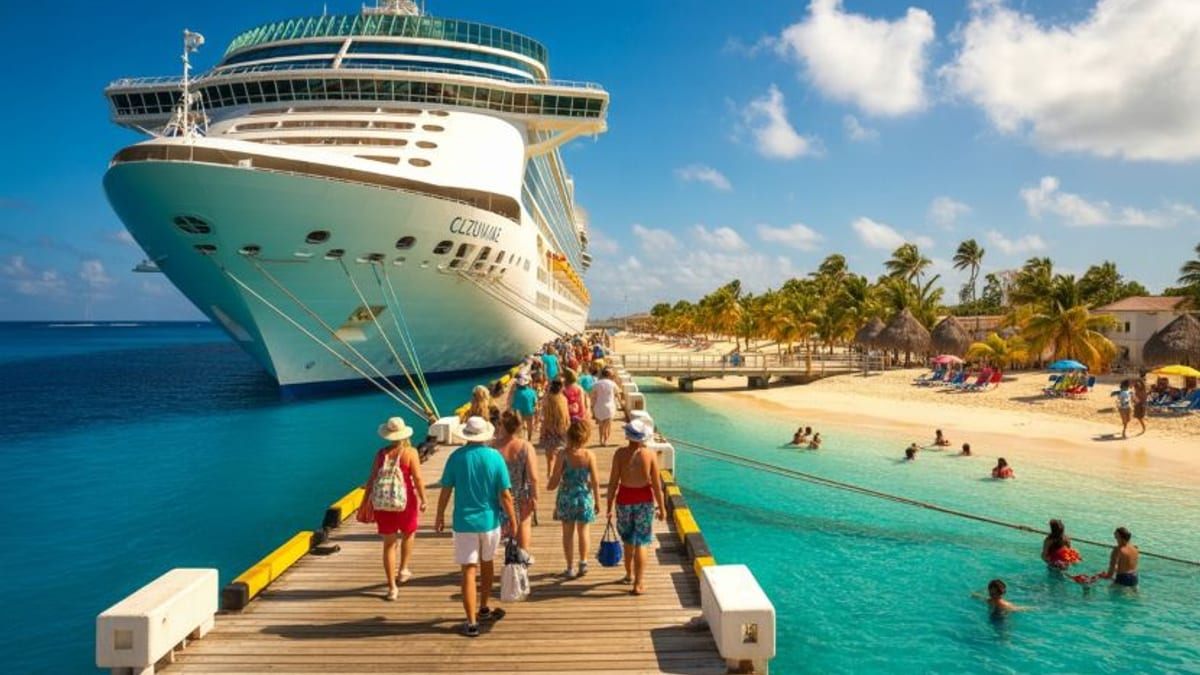
Residential cruise experiment stalls in Sihanoukville
The Villa Vie Odyssey, marketed as a residential cruise ship offering multiyear circumnavigations, was more than two years into a planned three-and-a-half-year global itinerary when operations were suddenly halted in the Cambodian port of Sihanoukville in late October. The ship, which has capacity for about 650 passengers, had been sailing with roughly 200 residents on board when they were instructed to disembark and make their own onward arrangements, according to multiple news reports.
Publicly available information shows that the Odyssey departed Belfast, Northern Ireland, in October 2024 following an extensive refit. The voyage was promoted as a continuous journey to seven continents and nearly 150 countries, with passengers able to purchase cabins as long-term homes at sea. Many on board had sold property, ended leases, or reorganized their lives around the promise of a stable floating residence combined with slow-paced global travel.
Reports indicate that the ship arrived in Sihanoukville on Friday, October 24, and had been scheduled to depart the following Wednesday. Instead, passengers were informed that the voyage would not continue, and that the Florida based company behind Villa Vie Residences was suspending cruise operations as it examined its financial position.
Accounts collected by international and local media describe residents being transported by shuttle buses from the port into Sihanoukville and nearby hotels, with little immediate clarity on whether the voyage might resume or how long they might be expected to stay in Cambodia.
Fuel prices and the wider impact of Middle East tensions
According to published coverage and statements posted on the company’s website, Villa Vie Residences cited soaring fuel costs as the primary reason for halting the Odyssey’s journey. The suspension comes amid a broader spike in global energy markets linked to the conflict involving Iran and disruptions around the Strait of Hormuz, a key chokepoint for oil shipments.
Recent analysis of the 2026 Strait of Hormuz crisis notes that rerouted tankers, elevated risk premiums for shipping, and higher insurance costs have pushed fuel prices sharply higher for commercial vessels. Cruise operators, which already face thin margins on long, complex itineraries, are particularly exposed when itineraries span multiple distant regions and require sustained high fuel consumption.
Residential-style cruises built around multiyear world voyages are even more sensitive to such volatility. Their business models rely on relatively predictable operating costs spread over extended periods and a smaller, stable base of long-term residents rather than the constant turnover of short conventional sailings. With the Odyssey only partway through its planned voyage, prolonged increases in marine fuel prices appear to have undermined the original financial projections.
Industry observers note that other cruise and shipping operators have recently adjusted schedules, rerouted ships away from high-risk corridors, or added fuel surcharges. However, a full suspension of operations mid-voyage, as in the case of the Odyssey, remains an uncommon and disruptive step that highlights the scale of current cost pressures on some specialized operators.
Passengers navigate housing and travel uncertainty
For many affected travelers, the Odyssey was more than a holiday cruise. Media reports describe passengers who had structured their lives around the three-year journey, some selling homes or renting out properties, others downsizing their possessions to what could fit inside a cabin marketed as a long-term residence. The sudden halt has left them scrambling to secure housing and onward travel from Sihanoukville with limited advance warning.
Coverage of the situation indicates that some residents have relocated to hotels in the coastal city while exploring flights to their home countries in North America, Europe, and Asia. Others are weighing whether to remain in the region for a time, turning an unplanned Cambodian stay into a temporary base while they await further clarity from the operator about potential refunds or alternative arrangements.
The case echoes earlier challenges in the niche “live at sea” segment, where ambitious multiyear projects have sometimes struggled to align marketing promises with the practical demands of ship acquisition, refits, financing, and ongoing operating costs. For travelers attracted by the idea of replacing a traditional home with a cabin on a global voyage, the Odyssey’s abrupt pause underscores the importance of contingency planning, travel insurance options that cover insolvency or major itinerary changes, and careful review of contract terms.
Consumer advocates commenting in published reports point out that, depending on jurisdiction and contract structure, residents may have varying levels of protection when a long-term cruise is suspended. In many cases, recourse may depend on local consumer law, the company’s financial resilience, and whether payments were made via channels that offer dispute mechanisms.
Local response and Cambodia’s growing role as a cruise port
The Odyssey’s arrival and subsequent layover in Sihanoukville has drawn attention to Cambodia’s expanding role in regional cruise traffic. Publicly available information from provincial officials indicates that the ship’s call at Sihanoukville Autonomous Port was initially planned as a routine stop on the world voyage, reflecting the port’s increasing capacity to handle larger international vessels.
When the suspension was announced, local authorities and port operators were required to manage an unexpectedly prolonged stay for the ship and a sudden influx of long-stay visitors. Reports from the scene describe buses moving passengers to hotels and guesthouses, creating a short-term boost for some local businesses while also highlighting the need for coordination between port services, immigration officials, and tourism providers during cruise disruptions.
Sihanoukville, a coastal hub known for its beaches and offshore islands, has been investing in port infrastructure and tourism facilities as Cambodia seeks a larger share of regional cruise itineraries. The Odyssey episode offers both opportunities and challenges for the destination: increased international coverage and visitor spending on one hand, and heightened scrutiny of how well local systems can support travelers when voyages do not proceed as planned.
Regional travel analysts suggest that as more long-duration cruises incorporate secondary ports in Southeast Asia, local authorities may look to strengthen contingency protocols, from emergency accommodation networks to passenger information channels, in order to respond more smoothly to future disruptions.
What the suspension means for long-term cruising
The decision to halt the Villa Vie Odyssey’s world voyage raises broader questions about the resilience of long-term residential cruising as a travel concept. Interest in multiyear world sailings has grown in recent years, appealing to remote workers, retirees, and digital nomads seeking a stable base with changing scenery. However, the model depends heavily on predictable fuel prices, access to credit, and careful logistical planning across dozens of countries.
Travel industry commentary notes that the Odyssey’s pause comes after other high-profile long-term cruise projects encountered setbacks, including delays in acquiring suitable ships or reorganizing financing at short notice. While some operators have successfully completed extended world itineraries, others have had to scale back or revise plans when external conditions shifted.
For potential future residents, the Cambodia incident may prompt closer questioning about how companies hedge fuel costs, what financial safeguards are in place, and how passengers would be supported if a voyage is cut short. Clearer disclosure of risk factors, detailed cancellation policies, and independent financial protections are likely to be key considerations for travelers weighing whether to commit to life at sea for multiple years.
Even as the Odyssey remains docked and its residents disperse, analysts expect demand for extended sailings to persist, particularly if operators can demonstrate stronger risk management. The current suspension serves as a high-profile case study in how global events, volatile energy markets, and ambitious cruise concepts intersect, and how quickly a floating home can become an unplanned stay on shore when costs rise beyond what an operator can sustain.