


More news on this day
Passengers flying from London Gatwick on Saturday 23 May are facing a mixed picture of disruption, with scattered delays and a smaller number of cancellations amid a busy spring bank holiday getaway.
Get the latest news straight to your inbox!
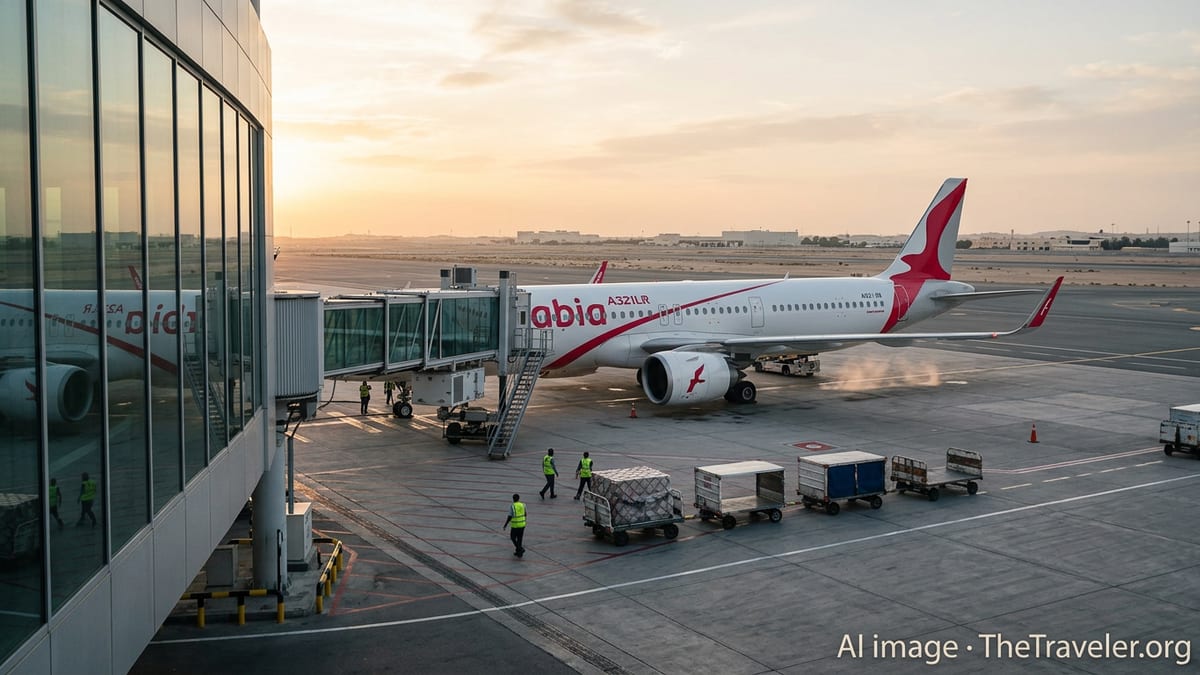
Patchy disruption across today’s departure boards
Publicly available aviation data for Saturday morning shows a run of minor to moderate delays across London Gatwick’s departure boards, concentrated in the early and mid-morning wave of flights. A proportion of services are departing 30 to 60 minutes behind schedule, with a handful slipping further as congestion builds in the wider European network.
The disruption follows several weeks of elevated delay levels at Gatwick, with specialist aviation tracking sites reporting dozens of services since early April leaving later than planned and a smaller but persistent number being removed from schedules altogether. While today’s pattern is less severe than some recent peak days, travellers are still being advised via airline channels to allow extra time and to monitor flight status closely.
Most affected this morning are short-haul departures to popular European city and holiday destinations, where tight turnaround times leave airlines with limited room to recover from incoming delays. As late-arriving aircraft ripple through the schedule, some mid-day services are already showing revised departure times, indicating that knock-on effects are likely to continue through the afternoon.
Long-haul operations from Gatwick appear comparatively resilient so far, with only isolated services showing extended delays. However, industry data from recent weeks suggests that once disruption takes hold in the European network, long-haul rotations can also be affected later in the day as aircraft and crews fall out of position.
Bank holiday traffic and wider UK transport pressures
Today’s disruption comes at the start of the late May bank holiday weekend, traditionally one of the busiest periods of the year for UK airports. Travel assessments published ahead of the weekend forecast heavy road traffic on routes to and from major airports, raising the risk of missed check-in times if journeys take longer than expected.
National rail information for the same period highlights amended timetables on routes serving Gatwick, including changes to Thameslink services between London Bridge, Gatwick Airport and the South Coast. Although a core rail link to the airport is being maintained, the combination of altered stopping patterns and busy trains means some passengers could face longer or more crowded journeys than usual.
Separate industrial action affecting other UK rail operators, while not directly targeting the Gatwick Express franchise today, is adding to the overall strain on the network. Travel coverage from national outlets indicates that disruption on parallel routes can increase pressure on remaining services into key London hubs, with a knock-on impact on connections to the airport.
These wider transport factors mean that even where flights are running close to schedule, passengers may encounter delays earlier in their journey. Travel planners continue to recommend leaving additional contingency time for both road and rail transfers, particularly for morning departures when queues at security and check-in are often longest.
European congestion and weather add to delays
Across the continent, operational reports point to a busy start to the weekend, with several major European hubs experiencing heavy traffic and weather-related restrictions. Recent days have already seen congestion build at airports such as Barcelona and Paris Charles de Gaulle, prompting concerns that rotation delays could spill over into today’s schedules.
Gatwick’s role as a major European leisure gateway means its operations are closely tied to conditions elsewhere in the network. When storms, low visibility or air-traffic control restrictions affect key hubs, aircraft headed to or from Gatwick can be held on the ground or rerouted, generating late arrivals that then cascade into the departure schedule.
Analysts note that today’s pattern of disruption at Gatwick closely mirrors recent episodes in which European bottlenecks, rather than local technical faults, have been the primary trigger. In such cases, airlines often attempt to protect the busiest peak flights while trimming or consolidating less time-critical services, which can explain small clusters of cancellations amid wider delay patterns.
With the bank holiday weekend still in its early stages and weather conditions varying across Europe, there remains potential for further disruption as the day progresses. Late-evening departures in particular may see schedule changes if earlier rotations fall significantly behind.
Rail access to Gatwick affected by engineering work
In addition to pressures in the air, passengers heading for Gatwick today are contending with planned engineering work on parts of the rail network in south London and the South East. National Rail’s bank holiday summary notes amended services on routes that feed into the airport, including changes to stopping patterns and journey times on key corridors.
Information issued in advance of the weekend highlights that Thameslink is running an adjusted service between London Bridge, Gatwick Airport, Brighton and Horsham across the bank holiday period. While trains continue to serve the airport, reduced frequencies on some stretches and diversions around engineering sites mean journey times can be longer, particularly during early morning and late-night periods.
Previous incidents on the same corridor this month, including a radio signalling fault that caused widespread disruption across southern England, have underlined the sensitivity of Gatwick’s rail access to technical issues. Although no similar fault is reported today, the combination of planned works and heavy demand is enough to create localised crowding and extended wait times on station platforms.
Airport planners have consistently stressed the importance of reliable surface access for Gatwick’s future growth plans, and the pattern of recent rail disruptions is likely to remain under close scrutiny by local authorities and passenger groups. For today’s travellers, the immediate impact is a stronger emphasis on checking live rail information and allowing additional time for potential route changes.
What today’s disruption means for passengers
For those flying out of Gatwick this Saturday, the emerging picture is one of inconvenience rather than widespread chaos, but with a clear need for caution. Scattered delays and isolated cancellations mean that some passengers will arrive at their destinations later than planned, while others may need to accept rebooked itineraries, particularly on busy leisure routes.
Consumer-rights organisations specialising in air travel note that, under existing UK and European rules, passengers whose flights are significantly delayed or cancelled may be entitled to assistance such as meals, accommodation and alternative transport, depending on the cause and length of the disruption. They also point out that, where disruption is not due to extraordinary circumstances, compensation may be available for some travellers whose plans are heavily affected.
Given the combination of a peak travel weekend, engineering work on rail routes and ongoing congestion in European airspace, travel advisers are continuing to recommend that passengers pay close attention to airline notifications and airport departure boards throughout the day. Early online check-in, prompt arrival at the terminal and flexibility about re-routing options are being highlighted as the most practical ways to reduce the risk of severe disruption to individual trips.
With the bank holiday weekend still unfolding, Gatwick’s performance today is likely to be seen as an early indicator of how well the UK aviation and rail systems can cope with a summer season that analysts expect to be among the busiest since before the pandemic. Travellers using the airport over the coming days are being encouraged to plan conservatively and to assume that journeys may take longer than the timetable suggests.