


More news on this day
Early summer travel at Edmonton International Airport has been marred by a cluster of disruptions, with publicly available data showing three delayed flights and six cancellations involving Jazz, Air Canada and WestJet routes in early June 2026.
Get the latest news straight to your inbox!
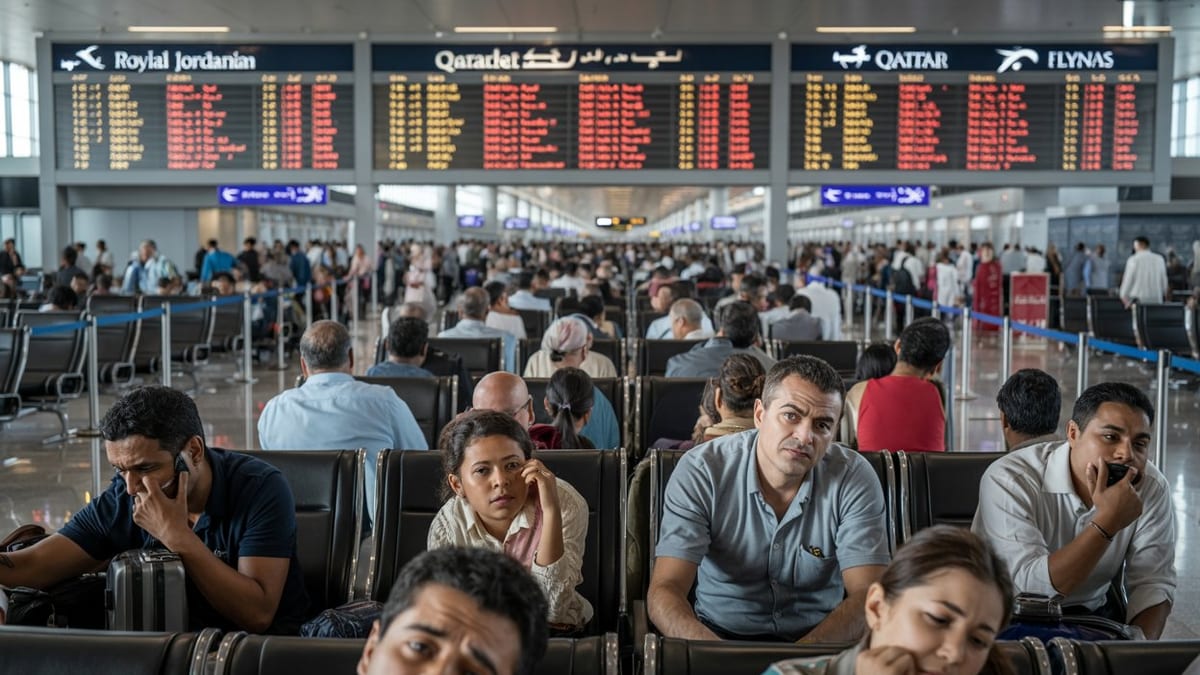
Cluster of Schedule Disruptions in Early June
Flight-tracking and airport departure boards for the first week of June 2026 indicate an uptick in irregular operations at Edmonton International Airport, with three notable delays and six cancellations affecting domestic services. The disruptions are concentrated on routes connecting Edmonton with major Canadian hubs, particularly Calgary, Vancouver and Toronto, where Air Canada, its regional partner Jazz, and WestJet operate dense schedules.
While Edmonton has not reported a systemwide crisis, the pattern of scattered delays and cancellations has had a visible impact on passengers starting or connecting through the Alberta hub. According to published coverage and timetable data, travelers on certain Jazz-operated Air Canada flights have faced extended arrival delays, while selected WestJet services have been withdrawn from schedules or adjusted as part of broader network changes.
The timing is especially sensitive for the airport, which typically sees rising demand into the summer period. Even a limited number of irregular operations can ripple across the day’s schedule, creating missed connections, rebookings and increased pressure on remaining flights.
Jazz and Air Canada: Regional Operations Under Strain
Regional services operated by Jazz on behalf of Air Canada appear among the flights most visibly affected. Flight history pages for early June show at least one Jazz-operated sector into Edmonton arriving more than an hour and a half behind schedule, significantly exceeding routine minor delays. These regional flights are central to Air Canada’s network strategy in Western Canada, linking Edmonton with Calgary and other hubs for onward domestic and international connections.
Industry data and public timetables suggest that tight turnaround times, crew and aircraft rotations, and high utilization can amplify the impact of even small operational issues on regional routes. When a single turboprop or regional jet falls behind schedule, subsequent sectors can inherit compounding delays, pushing arrival times into Edmonton well beyond the original plan.
On mainline services, publicly available departure boards for the same period list multiple Air Canada flights as cancelled or delayed from Edmonton, including services to major domestic destinations. Although no single cause has been flagged publicly as dominant, operational constraints, aircraft availability, and shifting demand patterns are being cited in broader national coverage of Air Canada’s summer 2026 schedule adjustments.
WestJet Balances Growth Plans With Cancellations
WestJet’s role in the current disruption picture is more complex. On one hand, the carrier has been promoting expanded Edmonton connectivity for summer 2026, including new domestic services and additional frequencies announced earlier in the year. On the other, schedule comparison data for May and June point to capacity reductions across parts of its North American network, and Edmonton has not been entirely insulated from day-to-day cancellations.
Real-time departure information for Edmonton in early June lists several WestJet flights as cancelled or removed from the daily board, alongside a largely on-time operation for other services. The cancellations appear scattered rather than concentrated on a single city pair, affecting a small number of departures among a generally busy schedule to Vancouver, Calgary, Toronto and secondary Western Canadian airports.
Published analysis of WestJet’s broader 2026 plans indicates that the airline is recalibrating its network, trimming certain US routes and adjusting seasonal flying while growing select domestic markets. Within that context, individual cancellations at Edmonton may reflect both tactical responses to demand on a given day and strategic shifts in how aircraft are deployed across the system.
Impact on Passengers and Key Domestic Links
For travelers using Edmonton International Airport as a starting point or connecting hub, the combination of three notable delays and six cancellations has meant longer travel days, missed connections and, in some cases, overnight stays. Routes linking Edmonton with Toronto and Vancouver are especially important, serving both business and leisure travelers as well as those connecting to transcontinental and international flights.
Publicly accessible flight-tracking routes between Edmonton and Toronto show dense competition among carriers, with multiple daily departures on Air Canada and WestJet. Even a small number of cancellations on these high-demand routes can quickly fill remaining seats, limiting rebooking options and driving passengers to adjust travel dates or routings through other Canadian hubs.
On Western corridors, such as Edmonton to Calgary and Edmonton to Vancouver, delays and cancellations can disrupt regional business travel and essential links to smaller communities that rely on onward connections. Reports from airport boards and regional airport feeds in Alberta and British Columbia highlight how schedule changes at Edmonton can cascade to secondary airports served by Jazz and WestJet feeders.
Operational Headwinds in a Busy Summer Travel Season
The early June disruptions at Edmonton are unfolding against a backdrop of heightened operational pressure on airlines across Canada. Industry commentary for summer 2026 points to a combination of factors weighing on reliability, including tight aircraft utilization, ongoing pilot and crew availability challenges, and infrastructure bottlenecks at larger hubs.
Edmonton’s own traffic profile adds to these pressures. The airport serves as a key Western Canadian node, with a mix of domestic, transborder and international routes operated by a variety of carriers. Coordinating arrivals and departures across this network, particularly during peak morning and evening banks, leaves limited margin when weather, technical issues or crew scheduling conflicts arise.
Travel advisories and airport information pages continue to recommend that passengers monitor their flight status closely on the day of departure, arrive early for check-in and security, and build extra time into connections. With Jazz, Air Canada and WestJet all adjusting networks and schedules as summer demand builds, early June’s pattern of three delays and six cancellations at Edmonton may serve as a reminder that even relatively modest disruptions can have outsized effects on travelers relying on Canada’s interconnected route system.