


More news on this day
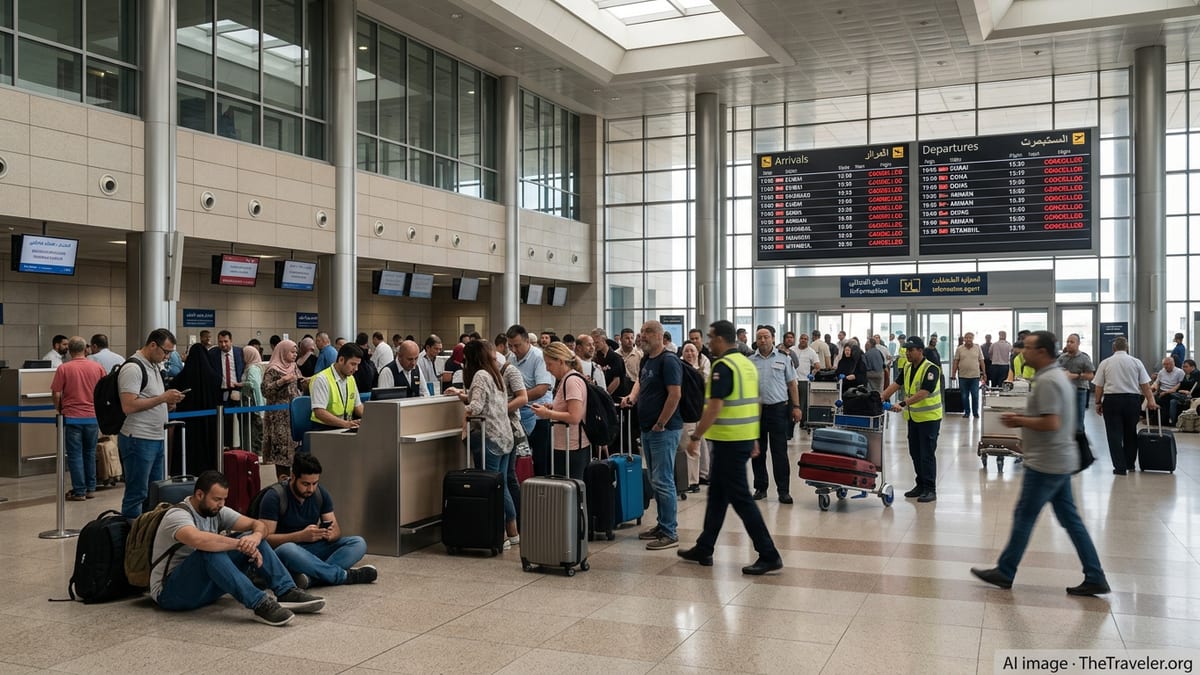
Travelers using Querétaro Intercontinental Airport on June 9 faced a fresh wave of disruption as reported operational issues led to two flight delays and four cancellations, affecting routes to Mexico City, Monterrey, Guadalajara and several U.S. connections.
Get the latest news straight to your inbox!
Operational Disruptions Impact Key Domestic and International Links
Publicly available flight tracking and schedule data for June 9 indicate that Querétaro Intercontinental Airport saw a limited but noticeable disruption, with two delayed departures and four cancellations concentrated on high-demand domestic and cross-border routes. The affected services included links to Mexico City’s main airport, industrial hubs such as Monterrey and Guadalajara, and connecting flights to the United States.
The disruption comes at a time when Querétaro has been pitching itself as a nimble alternative to Mexico City’s busier airports. Even a small cluster of cancellations and delays can, however, create missed connections and rebooking challenges for travelers relying on tightly timed itineraries through the Bajío region.
While the total number of impacted flights remains modest compared with larger hubs, the concentration on core business and visiting-friends-and-relatives markets amplified the impact. Passengers on early morning and late evening departures reported the greatest risk of missed onward connections and schedule reshuffling.
Available data for June suggests that most scheduled operations at Querétaro continue as planned, but the June 9 pattern highlights how quickly even a secondary airport can feel the ripple effects of broader network decisions and localized constraints.
Volaris, American Airlines, Endeavor Air and Cargojet Adjust Schedules
Low cost carrier Volaris, along with American Airlines, regional operator Endeavor Air and Canadian cargo specialist Cargojet, all appeared among the operators with disrupted services connected to Querétaro on June 9. Public timetable and tracking information shows schedule adjustments that translated into the two recorded delays and four outright cancellations touching the airport’s arrivals and departures.
For Volaris, which has been expanding its presence in Querétaro with new domestic and U.S. routes, the cancellations underline the delicate balance between rapid growth and operational resilience. Any withdrawn frequency on links such as Querétaro to Guadalajara or Monterrey can tighten capacity on already busy corridors and limit same-day recovery options for stranded passengers.
American Airlines and Endeavor Air disruptions were primarily reflected on itineraries involving U.S. hubs used as gateways for Querétaro-bound traffic. Even when the delayed or canceled legs did not originate or terminate in Querétaro itself, changes elsewhere in the network cascaded into missed inbound or outbound connections for travelers heading to central Mexico.
Cargojet’s affected operation underscored that freight flows are not immune to the same pressures. Adjustments in overnight cargo schedules can lead to slower deliveries for time-sensitive shipments moving between Querétaro’s manufacturing cluster and distribution points in North America.
Knock-On Effects for Mexico City, Monterrey, Guadalajara and Beyond
According to aggregated schedule boards for June 9, the Querétaro disruption translated into visible pressure on major Mexican airports including Mexico City, Monterrey and Guadalajara. Travelers who lost their original flights were often rebooked via these larger hubs, increasing demand for already busy seats and, in some cases, lengthening total travel times.
Mexico City’s primary airport, which regularly reports day-of-travel delays, became a critical fallback for itineraries originally planned as more direct connections through Querétaro. Some passengers were moved from regional or point-to-point services onto multi-stop routings, extending journey times and complicating baggage handling.
Monterrey and Guadalajara, both key business and industrial gateways, saw additional connecting traffic from Querétaro-bound or Querétaro-originating travelers seeking same-day alternatives. With summer schedules already tight on peak business days, any extra demand from disrupted passengers risked pushing some flights close to capacity limits.
Smaller markets linked to Querétaro also felt indirect effects. With limited alternative departures on the same day, travelers heading to less frequently served cities often had to consider overnight stays or date changes, particularly when re-routing involved cross-border segments to or from the United States.
Weather, Network Constraints and Seasonal Adjustments in the Spotlight
The June 9 situation at Querétaro unfolded against a broader backdrop of weather-related disruption and capacity adjustments across North American networks in early June. Public reports from several U.S. hubs over the past week point to storms, air traffic control flow programs and seasonal schedule reshaping as recurrent pressure points for airlines.
American Airlines has recently been refining its route network, with publicly reported seasonal suspensions and capacity trimming on select domestic routes as it adjusts for 2026 demand patterns. While these decisions are planned months in advance, the resulting thinner schedules can make it harder to absorb unplanned disruptions when storms or technical issues arise.
Regional carriers such as Endeavor Air, which operate many feeder flights under major airline brands, play a crucial role in connecting midsize cities like Querétaro to large hubs. When weather, crew availability or aircraft rotations disrupt those feeder operations, travelers in secondary markets can face disproportionate consequences compared with passengers at primary hubs that have more backup options.
Cargo operators, including Cargojet, are navigating similar challenges as they match aircraft and crew resources with shifting manufacturing and logistics demand. Any late-night or early-morning cancellation can push deliveries into the next day, affecting supply chains that depend on just-in-time components moving through Querétaro’s industrial parks.
What Travelers Through Querétaro Should Watch in the Coming Days
For passengers planning to transit Querétaro Intercontinental Airport in the next several days, recent patterns suggest a continued need for close monitoring of flight status, especially on routes involving Mexico City, Monterrey, Guadalajara and major U.S. hub connections. Publicly available information from airline channels and airport boards remains the primary reference for last-minute changes.
Travelers with tight connections involving Volaris, American Airlines or their regional partners may wish to build in additional buffer time, particularly if itineraries route through storm-prone U.S. hubs or peak-hour departures at Mexico’s busiest airports. Same-day alternatives from Querétaro can be limited once aircraft rotations are disrupted, so earlier departures or flexible dates may provide a margin of safety.
Given Querétaro’s growing role as a regional aviation gateway, analysts expect airlines to continue fine-tuning schedules over the summer to balance capacity, reliability and demand. Occasional clusters of delays and cancellations, like those observed on June 9, are likely to remain part of the travel landscape, especially during periods of adverse weather or network realignment.
Prospective passengers are encouraged to track their bookings closely on the day of travel and to be prepared for re-routing through Mexico City, Monterrey or Guadalajara if conditions at Querétaro or across airline networks tighten again in the weeks ahead.